
Beautiful Plants For Your Interior
Beautiful Plants For Your Interior
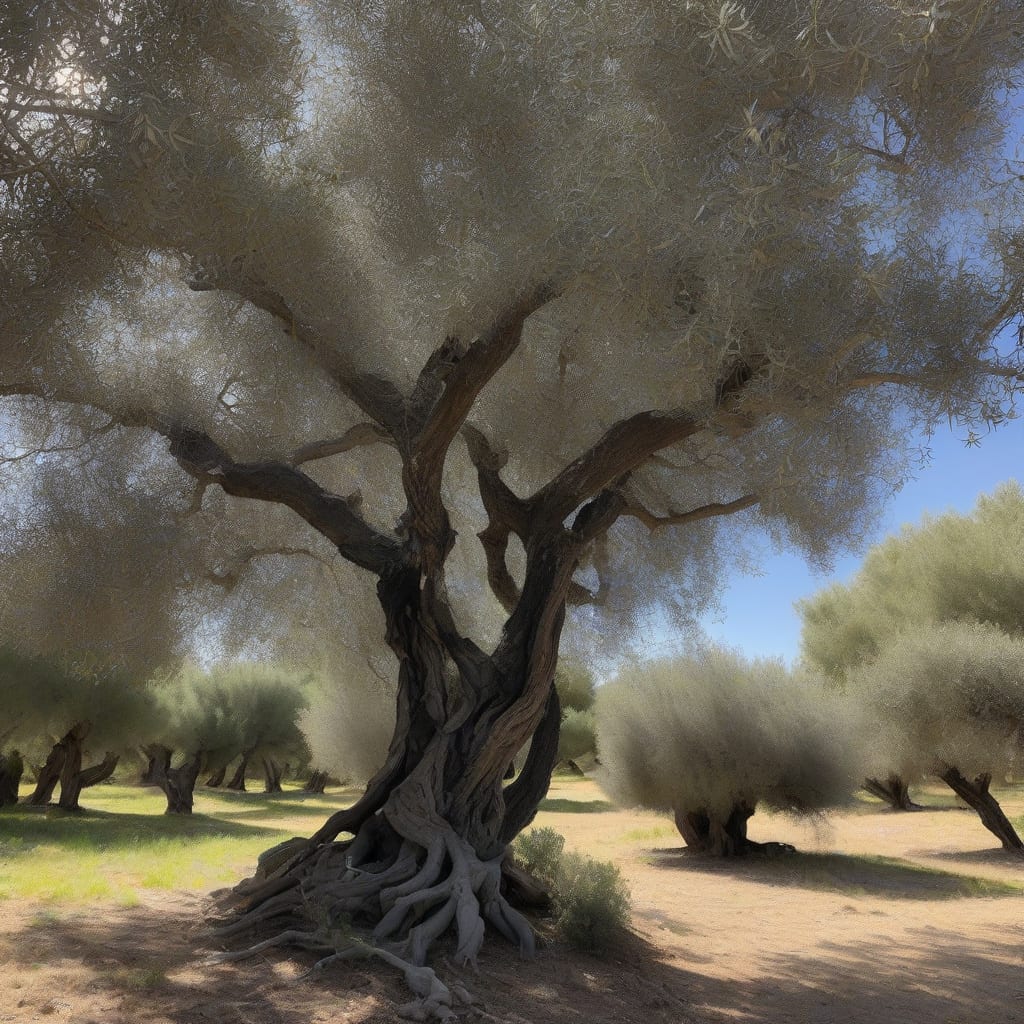
When I first planted my Olive Tree 🫒, I wondered how tall it would grow. Understanding the growth patterns of these beautiful trees is essential for gardeners and landscapers alike. In USDA Zone 6, the climate can be quite different from the Mediterranean regions where olives typically thrive.
Olive Trees can grow between 10 to 30 feet tall, depending on factors like variety and growing conditions. Let’s explore what influences their height and how to manage their growth effectively.
When considering how tall an olive tree can grow, several key factors come into play. The variety of the tree is one of the most significant determinants, as different cultivars have varying growth potentials. For instance, dwarf varieties are bred to remain smaller, while heritage trees can grow much taller 🌳.
Other crucial factors include climate, soil quality, and maintenance practices. Olive trees thrive in Mediterranean climates with warm summers and mild winters. Soil that drains well and is rich in nutrients also supports healthy growth. Regular pruning and fertilization are maintenance practices that can significantly impact a tree’s height and overall health.
The climate plays a significant role in determining the height of an olive tree. These trees prefer Mediterranean climates characterized by warm, dry summers and mild, wet winters. In regions with colder winters, olive trees may need protection or be grown in containers that can be moved indoors during the cold months ❄️.
Soil quality is another critical factor. Olive trees thrive in well-draining soil with a pH between 6.0 and 8.0. Soil that is too dense or prone to waterlogging can lead to root rot and stunt the tree’s growth. Adding organic matter like compost can improve soil structure and fertility, supporting healthier tree development 🌿.
Maintenance practices, including pruning and fertilization, are vital for managing the height and health of olive trees. Regular pruning helps control the tree’s size and shape, promotes fruiting, and removes any dead or diseased branches. Fertilization provides essential nutrients that support overall tree health and productivity 🌱.
Understanding these factors and how they interact is key to cultivating healthy olive trees that reach their full growth potential. By selecting the right variety, providing optimal growing conditions, and implementing proper care practices, gardeners can enjoy the beauty and bounty of these remarkable trees for years to come 🌳.
For those new to growing olive trees, it’s essential to start with a healthy tree from a reputable nursery. Look for trees with a well-developed root system and no signs of disease or pest damage. Proper planting techniques, including digging a wide enough hole and watering thoroughly, will also set the stage for successful growth 🌟.
As your olive tree grows, ongoing care will be necessary to maintain its health and manage its size. This includes regular inspections for pests and diseases, appropriate watering practices, and annual pruning to keep the tree in check and encourage fruit production 🌿.
In summary, the height of an olive tree is influenced by a combination of genetic, environmental, and cultural factors. By understanding and managing these factors, gardeners can cultivate olive trees that are not only beautiful but also productive and long-lived 🌳.
Olive trees come in various cultivars, each with its unique growth characteristics. The height of an olive tree can vary significantly depending on the variety. Some olive trees are naturally smaller, making them ideal for container gardening or smaller landscapes, while others can grow quite tall 🌳.
The mature height of olive tree varieties can range from compact dwarf types to tall standard trees. Dwarf olive trees typically grow between 8 to 12 feet tall, making them suitable for smaller spaces or container gardening. Semi-dwarf varieties reach heights of 12 to 18 feet, offering a moderate size that works well in many landscapes. Standard olive trees can grow quite tall, reaching heights of 20 to 30 feet or more 🌳.
When selecting an olive tree, it’s essential to consider the growth habit in addition to the mature height. Some olive trees have a compact, bushy growth habit, while others are more upright or spreading. Understanding the growth habit helps in planning the landscape and ensuring the tree has enough space to mature 🌟.
Olive tree varieties also differ in their fruiting characteristics. Some are bred primarily for their fruit, while others are valued for their ornamental qualities. If you’re growing olive trees for their olives, choosing a variety known for its fruit production is crucial. Popular fruiting varieties include ‘Arbequina’ and ‘Koroneiki’, which are also relatively compact and suitable for home gardens 🍃.
For those interested in heritage or historical varieties, there are numerous options available. These trees often have unique characteristics and can add a touch of history to your landscape. However, they may require more specific care and maintenance to thrive 🌿.
In summary, the height of an olive tree is largely determined by its variety. By understanding the different types of olive trees and their growth characteristics, gardeners can make informed decisions when selecting trees for their landscapes. Whether you prefer a compact dwarf variety or a tall standard tree, there’s an olive tree to suit your needs 🌳.
When planting olive trees, it’s also important to consider their spacing. Even compact varieties need adequate space to grow and receive good air circulation. Proper spacing helps prevent disease and ensures the trees receive enough sunlight for optimal growth 🌞.
As your olive trees grow, ongoing care will be necessary to maintain their health and manage their size. This includes regular inspections for pests and diseases, appropriate watering practices, and annual pruning to keep the trees in check and encourage fruit production 🌿.
When it comes to managing the height of an olive tree, pruning is a crucial technique. Regular pruning not only helps control the tree’s size but also promotes healthy growth and fruit production. I recommend pruning your olive tree annually to maintain its shape and encourage new growth 🌳.
Start by removing any dead, diseased, or damaged branches to prevent the spread of disease and encourage healthy growth.
Thin out the center of the tree to allow more sunlight to penetrate and improve air circulation, which helps reduce the risk of disease.
Shape the tree by cutting back branches that are growing too tall or out of place. This helps maintain the desired height and shape.
In addition to pruning, proper care practices are essential for managing olive tree height. This includes regular watering, fertilization, and monitoring for pests and diseases. By providing your olive tree with the right conditions and care, you can help it grow healthily and maintain a manageable height 🌟.
It’s also important to consider the timing of pruning. For olive trees, the best time to prune is typically in late winter or early spring, before new growth begins. This allows the tree to heal quickly and minimizes the risk of disease 🔍.
By following these pruning and care tips, you can effectively manage the height of your olive tree and enjoy its beauty and fruit for years to come 🌳.

