
Beautiful Plants For Your Interior
Beautiful Plants For Your Interior
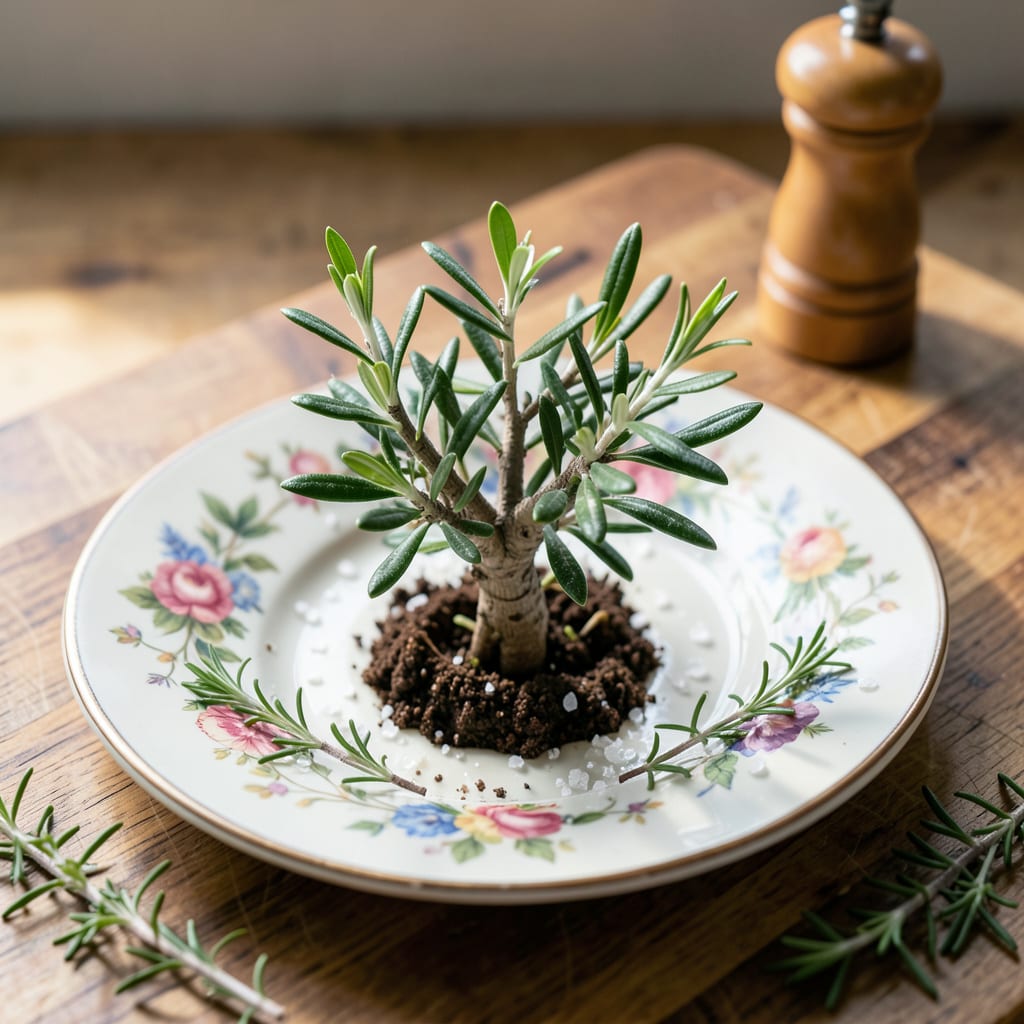
Fertilizing your 🫒 Olive Tree at the right time is crucial for its health and productivity. In USDA Zone 6, timing is everything to ensure a bountiful harvest.
I recommend fertilizing during the growing seasons – Spring and Fall. This helps your tree thrive and prepares it for the next year’s growth. Let’s explore the best practices for fertilizing your Olive Tree.

Fertilizing olive trees at the right time is crucial for their health and productivity. In USDA Zone 6, the climate can be quite different from the Mediterranean regions where olive trees typically thrive. Understanding when to fertilize can make a significant difference in your tree’s growth and yield.
I recommend checking your specific climate conditions and tree variety to determine the best fertilization schedule. Generally, olive trees benefit from fertilization during their active growing periods. Let’s look at the optimal times to fertilize your olive tree.
The ideal months for fertilizing olive trees in USDA Zone 6 are March, April, September, and October. During these months, the tree is actively growing and can benefit from the nutrients.
In March, start with a balanced fertilizer as new growth begins. This helps support the tree’s development during the growing season.
May and July are also good times for light feeding. Continue with a balanced fertilizer every 6-8 weeks to maintain the tree’s health.
In September and October, fertilize again to prepare the tree for the next year’s growth. This final feeding helps the tree store energy for the following season.
During the winter months, from December to February, it’s best to avoid fertilizing. The tree is dormant and doesn’t require additional nutrients.
By following this fertilization schedule, you can ensure your olive tree remains healthy and productive throughout the year 🌟
For more specific advice, consider consulting local gardening experts or your nursery for guidance tailored to your area’s climate and soil conditions.
Remember, the key to successful fertilization is timing and balance. Over-fertilizing can be harmful, so it’s essential to follow the recommended schedule and amounts.
Monitoring your tree’s response to fertilization and adjusting as needed will help you achieve the best results.
Fertilizing olive trees correctly is crucial for achieving maximum yield and maintaining overall tree health. The right fertilization techniques can significantly impact your harvest’s quality and quantity.
I recommend starting with a soil test to determine your tree’s specific nutrient needs. This helps you choose the most appropriate fertilizer and avoid over-fertilization 🌿
For maximum yield, use a balanced fertilizer (10-10-10 NPK) during the growing season. Apply it in early spring and again in fall to support tree health and productivity.
When choosing a fertilizer, look for a balanced NPK ratio (such as 10-10-10 or 16-16-16) to provide your olive tree with the necessary nutrients. Avoid fertilizers with high nitrogen levels, as they can promote excessive vegetative growth at the expense of fruit production.
The best time to fertilize is in early morning when the tree can absorb the nutrients throughout the day.
Application methods can vary, but a common approach is to spread the fertilizer evenly around the tree’s drip line. This ensures that the roots receive the nutrients effectively.
It’s also important to water your tree after fertilizing to help the nutrients penetrate the soil. However, avoid over-watering, as olive trees prefer well-draining soil.
By following these fertilization tips, you can help your olive tree thrive and achieve a bountiful harvest. Regular monitoring and adjustments to your fertilization schedule will further optimize your tree’s health and productivity 🌟
For more detailed guidance, consider consulting with local gardening experts or your nursery for advice tailored to your specific climate and soil conditions.
Understanding the factors that affect olive tree fertilization needs is crucial for maintaining tree health and maximizing yield. Several key elements influence how and when to fertilize your olive tree 🫒
I recommend considering these critical factors when planning your fertilization schedule. Let’s explore the main elements that impact olive tree fertilization needs.
By understanding and addressing these factors, you can create a tailored fertilization plan that meets your olive tree’s specific needs.
Regular monitoring of your tree’s health and response to fertilization is essential. Adjust your fertilization schedule as needed to ensure optimal results 🌟
For more specific guidance, consider consulting with local gardening experts or your nursery for advice tailored to your area’s climate and soil conditions.
Fertilize olive trees in early spring as new growth begins, and again in fall to prepare for the next year’s growth. This schedule supports tree health and productivity. For USDA Zone 6, the ideal months are March, April, September, and October.
Fertilize your olive tree every 6-8 weeks during the growing season. Start in March and continue with light feeding through summer. Stop fertilizing during winter months when the tree is dormant. This frequency helps maintain optimal nutrient levels.
A balanced fertilizer with an NPK ratio of 10-10-10 or 16-16-16 is ideal for olive trees. Avoid high-nitrogen fertilizers as they can promote excessive vegetative growth at the expense of fruit production. Choose a fertilizer that matches your tree’s specific nutrient needs based on soil test results.
No, it’s best not to fertilize olive trees during winter months (December to February). The tree is dormant and doesn’t require additional nutrients. Fertilizing during this time can cause unnecessary stress to the tree.
