
Beautiful Plants For Your Interior
Beautiful Plants For Your Interior
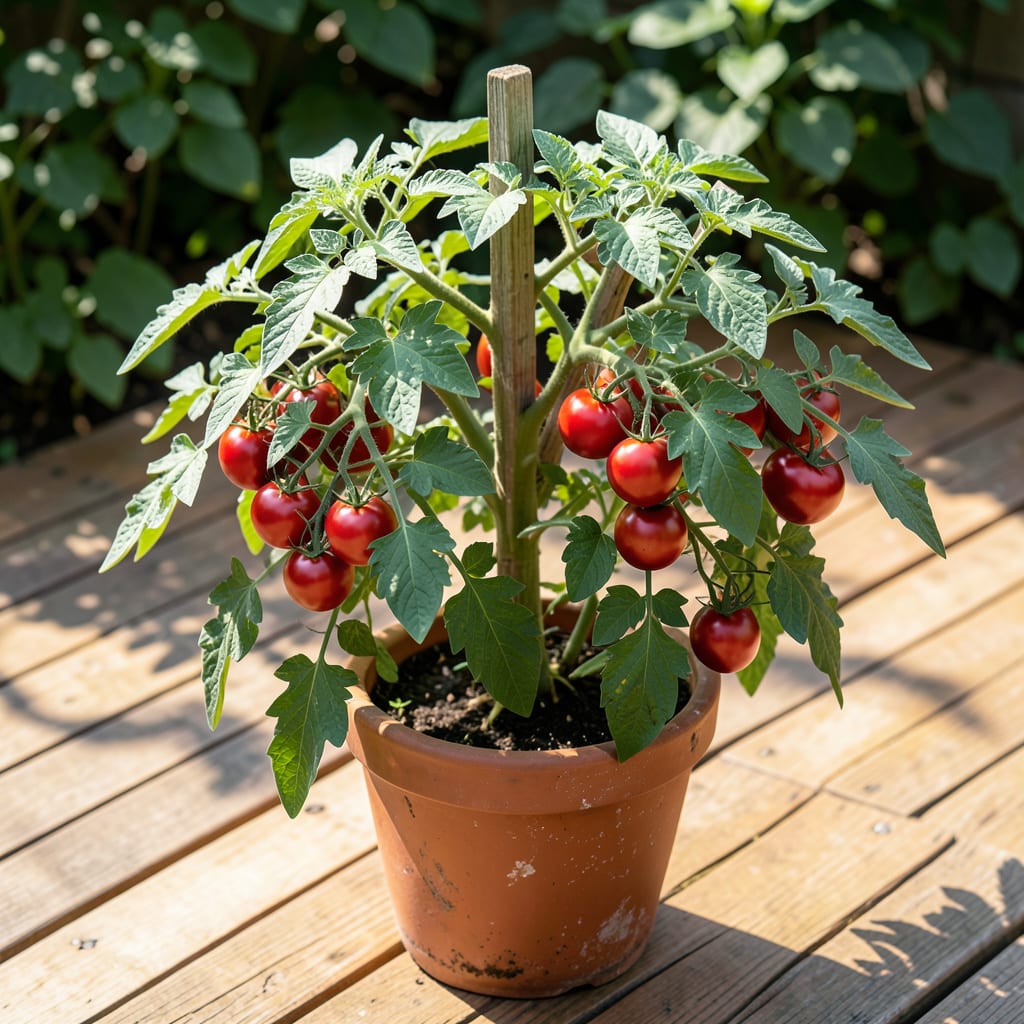
That sunken, black bottom on your tomatoes means trouble. 🌱 I lost half my early harvest to blossom end rot before figuring out it’s not about the soil having enough calcium—it’s about the plant actually getting it when needed most.
Consistent moisture is key. Dry spells followed by deep watering prevent roots from absorbing what’s available. My solution? A simple calcium boost through crushed eggshells or gypsum, plus mulch to keep soil evenly damp.
You’ll see new fruit forming without those telltale dark spots within 2-3 weeks. The difference between sad, rotting tomatoes and plump, healthy ones is often just this one adjustment.
Works for container and ground plants alike. Here’s how to fix it for good.
Blossom end rot in tomatoes is primarily caused by calcium deficiency at the cellular level, but several environmental and cultural factors can trigger or worsen the issue. Here’s a breakdown of the root causes:
Tomatoes need consistent calcium supply to develop strong cell walls. When calcium is lacking—especially during rapid fruit growth—the tissue at the blossom end (opposite the stem) breaks down, leading to the telltale dark, sunken lesions. Even if soil tests show adequate calcium, uneven watering or root damage can prevent the plant from absorbing it effectively.
Fluctuations in soil moisture—drought followed by overwatering—disrupt calcium uptake. Dry spells slow root activity, while sudden saturation can leach calcium away from the root zone. Tomatoes are particularly sensitive during fruit set and early development, when demand for calcium spikes.
High heat (above 85°F) or cold snaps (below 55°F) stress the plant’s metabolism, reducing its ability to transport calcium to developing fruit. Heat can also cause excessive transpiration, leaving less water (and dissolved calcium) for the fruit.
If soil pH is too acidic (below 6.0) or too alkaline (above 7.5), calcium becomes less soluble, making it unavailable to roots. Additionally, excess nitrogen, magnesium, or potassium in fertilizer can outcompete calcium for uptake, starving the plant even when calcium is present.
Blossom end rot can be frustrating, but these targeted fixes will help your tomatoes recover and thrive. Address the root causes with these practical solutions:
Inconsistent watering disrupts calcium uptake. Fix it: Water deeply and regularly—aim for 1–2 inches per week, especially during dry spells. Use drip irrigation or soaker hoses to keep soil moisture even. Mulch with straw or wood chips to retain moisture and prevent rapid drying.
Prevention tip: 💡 Water early in the day to reduce evaporation and fungal risks.
Low calcium in the soil is a common culprit. Fix it: Add crushed eggshells to the planting hole or mix in gypsum (calcium sulfate) or lime (if your soil is acidic). For a quick foliar boost, spray plants with a calcium chloride solution (follow package instructions).
Prevention tip: ✨ Test your soil pH (ideal: 6.2–6.8) and amend as needed before planting.
Fast-growing plants or extreme heat can outpace calcium absorption. Fix it: Avoid over-fertilizing with nitrogen, which can trigger lush leafy growth at the expense of fruit health. Use a balanced fertilizer (e.g., 10-10-10) and pause application during heatwaves. Provide shade cloth during peak afternoon sun if temperatures soar above 90°F.
Prevention tip: 🌡️ Plant heat-tolerant tomato varieties if you live in a hot climate.
Excess salts or injured roots limit calcium uptake. Fix it: Flush the soil with water to remove excess salts. Avoid disturbing roots when cultivating. If damage is severe, transplant affected plants to fresh, well-draining soil.
Prevention tip: 🎯 Use organic matter like compost to improve soil structure and root resilience.
With these adjustments, your tomatoes will bounce back—stronger and ready to produce juicy, rot-free fruit!
New fruit will show healthy growth within 2-3 weeks of consistent calcium treatment. Existing affected tomatoes won’t recover, but future ones will develop normally.
Yes, diluted milk (1 part milk to 4 parts water) can provide calcium. Spray on leaves weekly, but avoid overuse as it may encourage bacterial growth.
Blossom end rot targets individual tomatoes due to uneven calcium distribution. Early fruits and those developing during drought or heat stress are most vulnerable.
No, excess nitrogen can worsen the problem by promoting leafy growth at the expense of fruit. Use a balanced fertilizer and focus on calcium.
