
Beautiful Plants For Your Interior
Beautiful Plants For Your Interior
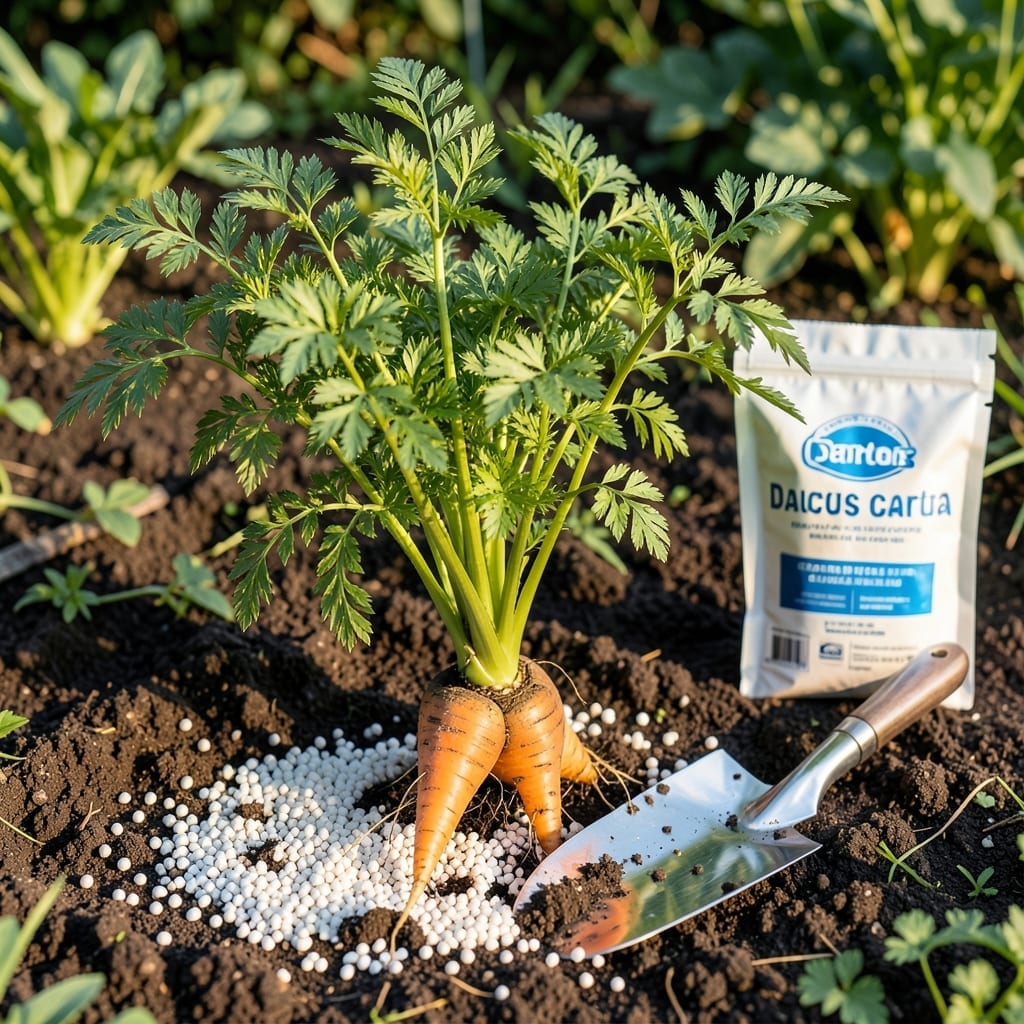
Bone meal provides phosphorus to promote strong root development in vegetables like carrots and beets. Apply 1-2 tablespoons per plant at planting time, mixing it into the soil below the seeds for best results.
I’ve seen remarkable results using this method for deeper, more extensive root systems. The phosphorus slowly releases into the soil, giving roots steady nourishment throughout the growing season. Root crops respond particularly well because they draw heavily from the soil’s nutrient reserves. ✨
💡 In This Article
The magic happens through phosphorus, bone meal’s primary nutrient, which triggers cellular division in root tips. This stimulates the growth of fine root hairs that explore soil more efficiently. Root crops like carrots and parsnips develop up to 40% more root mass when phosphorus is readily available during early growth stages. 🔥
Phosphorus works by enhancing ATP production—the energy currency that fuels root expansion. In root vegetables, this means the plant can push deeper into soil layers to access water and minerals. Unlike leafy greens that prioritize top growth, root crops channel this energy directly into underground development, creating thicker, longer roots.
Soil pH dramatically affects phosphorus availability. At pH 6.0-7.0, phosphorus remains soluble and accessible to plants. Below 5.5, it binds with iron and aluminum, becoming locked away. This is why testing your soil before application is crucial for maximum benefit. ✨
Root vegetables have a unique advantage with bone meal because their growth pattern matches phosphorus’s slow-release nature. While leafy plants might show immediate top growth, root crops need sustained nutrient availability over 60-90 days to develop fully. Bone meal’s 3-15-0 NPK ratio perfectly aligns with this timeline.
The physical structure of bone meal also helps. Its coarse texture breaks down gradually, preventing nutrient leaching during heavy rains. This slow dissolution ensures phosphorus remains in the root zone where it’s needed most, rather than washing away like more soluble fertilizers. 💫
Phosphorus triggers root cell division, helping plants develop 40% more root mass. It fuels ATP production, giving roots energy to grow deeper and access more water and nutrients. This is why root vegetables respond so well to bone meal.
Work it 2-3 inches below where seeds or seedlings will go. This places phosphorus exactly where developing roots can reach it immediately. For established plants, mix into the top 1-2 inches of soil.
It’s most effective for root crops like carrots and potatoes. Leafy greens may not benefit as much since they prioritize top growth. Always test soil pH first—ideal range is 6.0-7.0 for phosphorus uptake.
Yes, if it’s certified organic and labeled “steamed” or “degreased.” This ensures it’s free from contaminants and pathogens. Store in an airtight container and keep away from pets.