
Beautiful Plants For Your Interior
Beautiful Plants For Your Interior
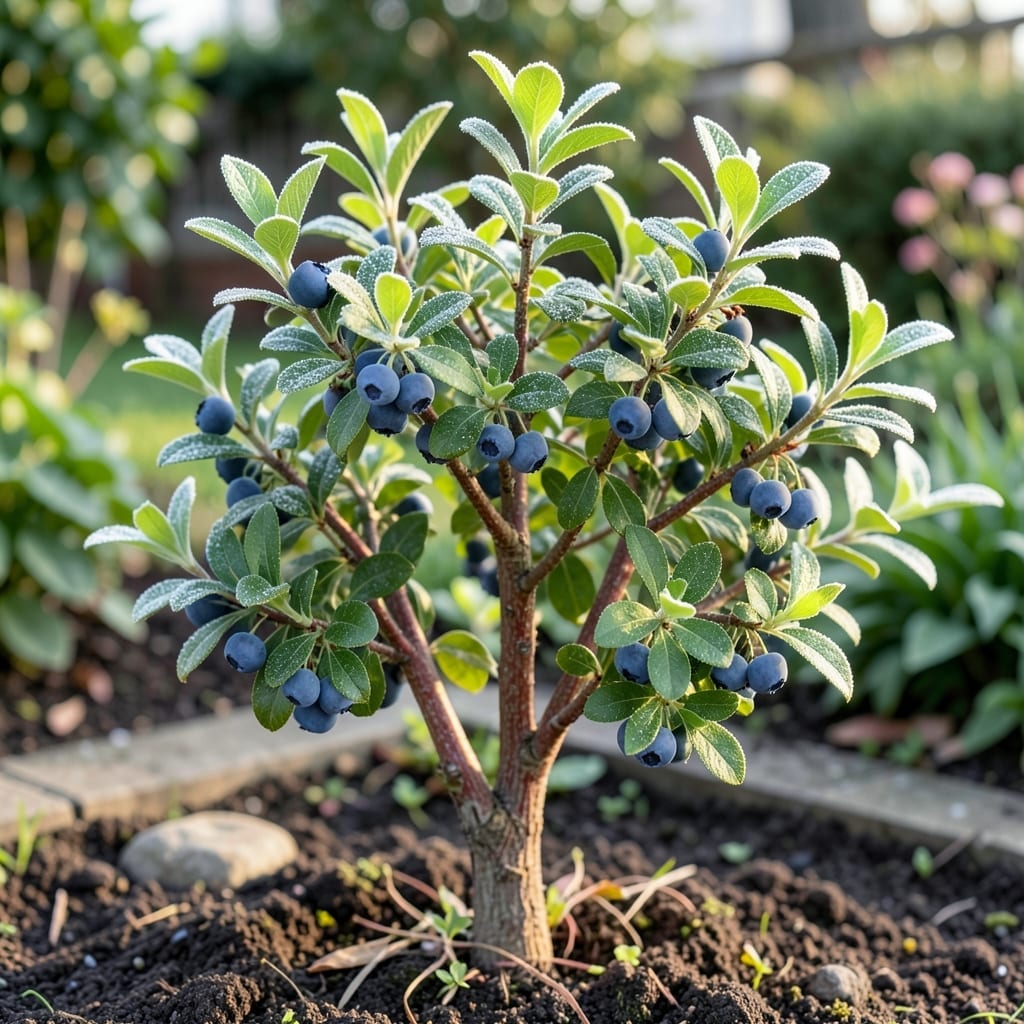
Blueberries vary in frost tolerance by cultivar, with most surviving temperatures between 10°F to -25°F when fully dormant. Northern highbush types endure colder climates better than southern varieties.
I’ve found that their resilience depends on the plant’s dormancy stage—active growth is far more vulnerable to frost. Northern highbush bushes often thrive in USDA zones 4-7, while rabbiteye varieties handle the heat of zones 7-9 but may need extra winter protection in colder areas. This adaptability makes them a favorite for gardeners across different climates. ⚡
💡 In This Article
Lowbush blueberries thrive in USDA zones 3-6, handling -35°F to -25°F when dormant. Their compact growth and shallow roots allow them to survive under snow cover, which acts as natural insulation. These wild types have evolved in northern climates, developing cellular mechanisms that prevent ice crystal formation in their tissues. 🔥
Northern highbush varieties perform best in zones 4-7, tolerating -25°F to -15°F. Cultivars like ‘Bluecrop’ and ‘Jersey’ have thicker bark and deeper root systems that store more carbohydrates. These reserves fuel regrowth if winter injury occurs. Their buds also enter dormancy earlier in fall, reducing vulnerability to early frosts.
Rabbiteye blueberries dominate zones 7-9 but can handle 10°F to 0°F when fully dormant. Native to the southeastern U.S., they’ve developed heat tolerance but still require 200-400 chill hours below 45°F to break dormancy properly. Their later bloom time helps avoid spring frost damage in warmer climates. ⚡
Southern highbush types are the least cold-hardy, suited for zones 7-10 with minimum temperatures around 15°F. These hybrids between northern and southern species sacrifice some cold tolerance for earlier fruiting. Their buds may begin swelling in warm winter spells, making them susceptible to late frosts. ✨
The key difference lies in genetic adaptations. Northern varieties produce more antifreeze proteins that lower the freezing point of water in their cells. They also develop a thicker cuticle layer on leaves and stems, reducing moisture loss during cold, dry winters.
This explains why ‘Patriot’ highbush can survive -20°F while ‘O’Neal’ southern highbush struggles below 20°F. 💫
Established bushes in their proper zones often survive without extra care. Northern types like lowbush handle -25°F to -35°F when dormant. Younger plants or those in borderline zones benefit from mulch or frost cloth.
Lowbush varieties endure down to -35°F, while southern highbush may only handle 15°F. Check your cultivar’s zone rating—northern highbush typically manages -20°F to -25°F.
Cover plants when temperatures drop below 28°F and buds are swelling. Use frost cloth, not plastic, and remove it during the day. This prevents damage to emerging flowers.
Flower buds are less cold-hardy than wood, often damaged at 25°F to 28°F. Late frosts after warm spells trick plants into breaking dormancy too early, making them vulnerable.