
Beautiful Plants For Your Interior
Beautiful Plants For Your Interior
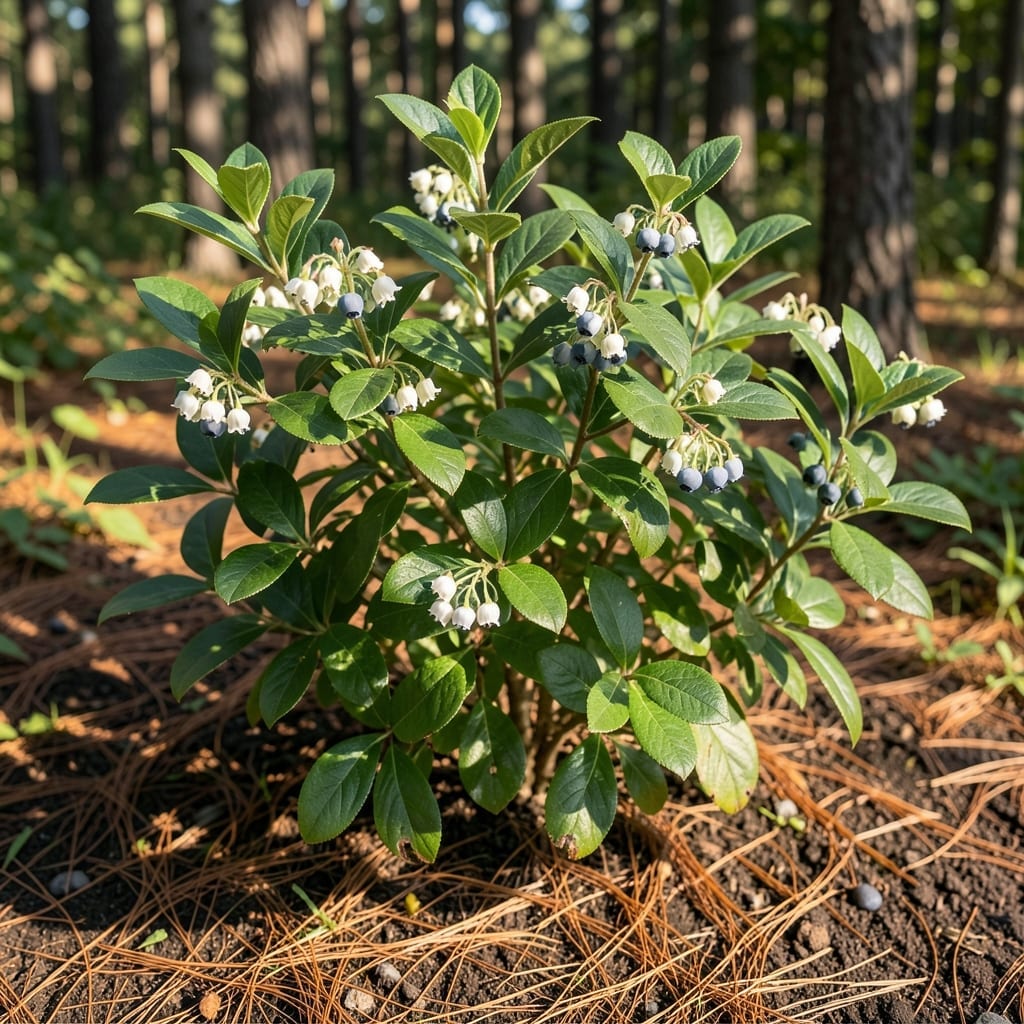
Plants that prefer alkaline or neutral soil, such as most vegetables, annual flowers, and lawn grasses, often struggle with pine needles due to their acidic nature and slow decomposition.
I’ve seen this firsthand with hydrangeas and blueberries—they thrive with pine needles, but tomatoes or lavender wilt under the same conditions. The acidity builds gradually, altering soil chemistry in ways that can starve acid-sensitive species of essential nutrients. 🔥
What’s more, pine needles form a tight mat that blocks water and air from reaching plant roots, which can be deadly for shallow-rooted varieties.
💡 In This Article
Pine needles gradually lower soil pH as they decompose, releasing organic acids that can drop soil acidity by 0.5-1.0 units over a growing season. This shift disrupts nutrient uptake for plants adapted to neutral or alkaline conditions, particularly those needing calcium and phosphorus which become less available in acidic environments. 🔥
The needles also contain terpenes and phenolics—natural compounds with mild allelopathic properties. These can inhibit the growth of sensitive species like geraniums or asparagus by interfering with root development and seed germination. The effect is subtle but cumulative over time. ⚡
Physical barriers matter too. Pine needles interlock to form a dense 2-4 inch mat that sheds water rather than absorbing it. Shallow-rooted plants like lettuce or annual flowers often suffer from moisture stress, as the mat prevents rain from penetrating to root level while also blocking air exchange. 💫
Warm-season vegetables show visible distress within 4-6 weeks of pine needle application. Tomatoes may develop yellowing leaves (chlorosis) from iron deficiency, while carrots produce stunted, misshapen roots as the acidic conditions hinder proper nutrient balance in the soil. ✨
Even lawn grasses like Kentucky bluegrass or fescue thin out when covered with pine needles. The combination of acidity and physical smothering creates perfect conditions for moss to invade, which then competes with the grass for space and nutrients. 🌟
No, most vegetables prefer neutral to slightly alkaline soil. Pine needles can lower pH over time, causing nutrient deficiencies in tomatoes, peppers, and carrots.
Many annuals and perennials dislike it. Geraniums, lavender, and asparagus struggle with the acidity and allelopathic compounds. Stick to neutral mulches for these.
They can lower pH by 0.5-1.0 units in a single growing season. Test soil annually if using pine needles near sensitive plants.
Yes, grasses like Kentucky bluegrass or fescue thin out under pine needles. The mat blocks water and air, creating ideal conditions for moss to take over.
Rake them up before they compact. To transition, remove old needles, test soil pH, and add lime if below 6.0 before applying new mulch.