
Beautiful Plants For Your Interior
Beautiful Plants For Your Interior
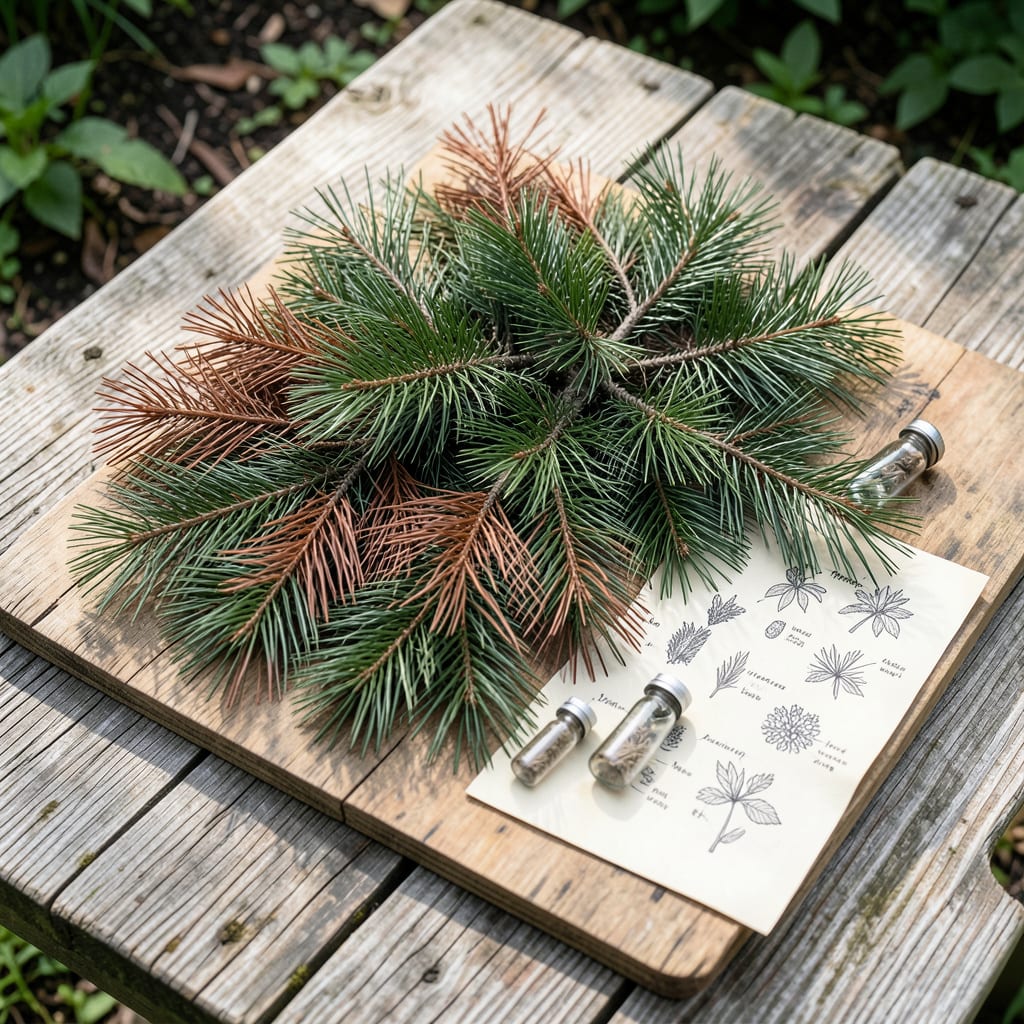
Brown needles on your pine tree don’t always mean it’s doomed. I’ve seen healthy pines bounce back from early-stage issues with the right approach. The key is catching the problem before it spreads.
Most cases come down to 3 common culprits: fungal infections, environmental stress, or pests. Each leaves distinct patterns in needle color and placement—once you learn to spot them, diagnosis becomes straightforward.
With simple treatments like proper pruning, improved airflow, or targeted sprays, you can stop the damage. Prevention is even easier: consistent watering and seasonal inspections keep problems from starting.
This works for mature pines and young saplings alike. Early action makes all the difference.
Pine trees develop brown needles due to a range of environmental, fungal, and pest-related stressors. Understanding the root cause is key to restoring tree health. Below are the most common triggers, explained in clear, actionable terms.
Pathogens like Dothistroma, Lophodermium, and Cyclaneusma thrive in wet conditions, infecting needles and disrupting their ability to photosynthesize. Dothistroma needle blight causes reddish-brown bands on needles before they die, while Lophodermium creates yellow spots that turn brown. These fungi spread via spores, often during prolonged rainfall or poor air circulation.
Extreme weather takes a toll. Drought starves needles of water, leading to browning from the tips inward. Conversely, waterlogged soil suffocates roots, cutting off nutrient flow. Winter desiccation (from frozen soil and dry winds) also causes needles to dry out and brown, especially on exposed sides of the tree.
Insects like pine bark beetles, sawflies, and spider mites damage needles directly or by introducingsecondary infections. Beetles bore into the tree, disrupting nutrient transport, while mites suck out sap, leaving needles stippled and brown. Sawfly larvae defoliate branches entirely if left unchecked.
A lack of essential minerals—particularly magnesium or iron—can cause needles to yellow and then brown. Magnesium deficiency often appears as yellowing between the needle veins, while iron chlorosis starts at the tips. Poor soil pH (too alkaline) can lock out these nutrients, even if they’re present.
Improper planting depth, compacted soil, or excessive mulch can stress roots, leading to poor water and nutrient uptake. Herbicide drift from nearby lawn treatments may also cause chemical burns, resulting in brown, brittle needles.
Addressing brown needles on pine trees starts with identifying the root cause. Below are targeted solutions for common issues, paired with prevention tips to keep your pines thriving.
For diseases like Dothistroma needle blight or brown spot, remove infected branches immediately to stop the spread. Apply a copper-based fungicide in early spring or fall, following label instructions. Prevention tip: Improve air circulation by thinning crowded branches and avoiding overhead watering. 💡 Space trees 10–15 feet apart for better airflow.
If pine bark beetles, sawflies, or mites are the culprits, treat with neem oil or insecticidal soap for mild cases. For severe infestations, use a pyrethrin-based spray. Prevention tip: Keep trees healthy with regular watering and mulching to deter pests. ✨ Inspect trees weekly during growing season for early signs.
Brown needles from drought, heat, or winter burn? Deep-water trees 1–2 inches weekly (more in extreme heat) and mulch the base to retain moisture. Shield young trees from harsh winds with burlap wraps in winter. Prevention tip: Plant pines in well-draining soil and avoid late-season fertilizing, which encourages tender new growth vulnerable to cold. 🎯 Use 2–3 inches of organic mulch, keeping it 6 inches from the trunk.
Yellowing or browning needles may signal a lack of nitrogen, iron, or magnesium. Test soil and apply a slow-release, balanced fertilizer (e.g., 10-10-10) or targeted micronutrients. Prevention tip: Feed pines in early spring or late fall, and avoid over-fertilizing, which can harm roots. 🌱 Opt for acid-loving plant fertilizers for pines.
Drought causes uniform browning, often starting at the tips. Disease leaves patterns like spots or bands. Check soil moisture 2-3 inches deep—dry means drought, wet suggests fungal issues.
Once needles turn completely brown, they won’t recover. Focus on saving still-green needles by addressing the root cause quickly. Prune dead branches to redirect energy.
Apply fungicides in early spring or fall before spores spread. Treat at the first sign of discoloration, and repeat every 2-3 weeks during wet seasons.
Yes! Waterlogged soil suffocates roots, cutting off nutrient flow. Let soil dry slightly between waterings and ensure good drainage. 1-2 inches of water weekly is usually sufficient.
