
Beautiful Plants For Your Interior
Beautiful Plants For Your Interior
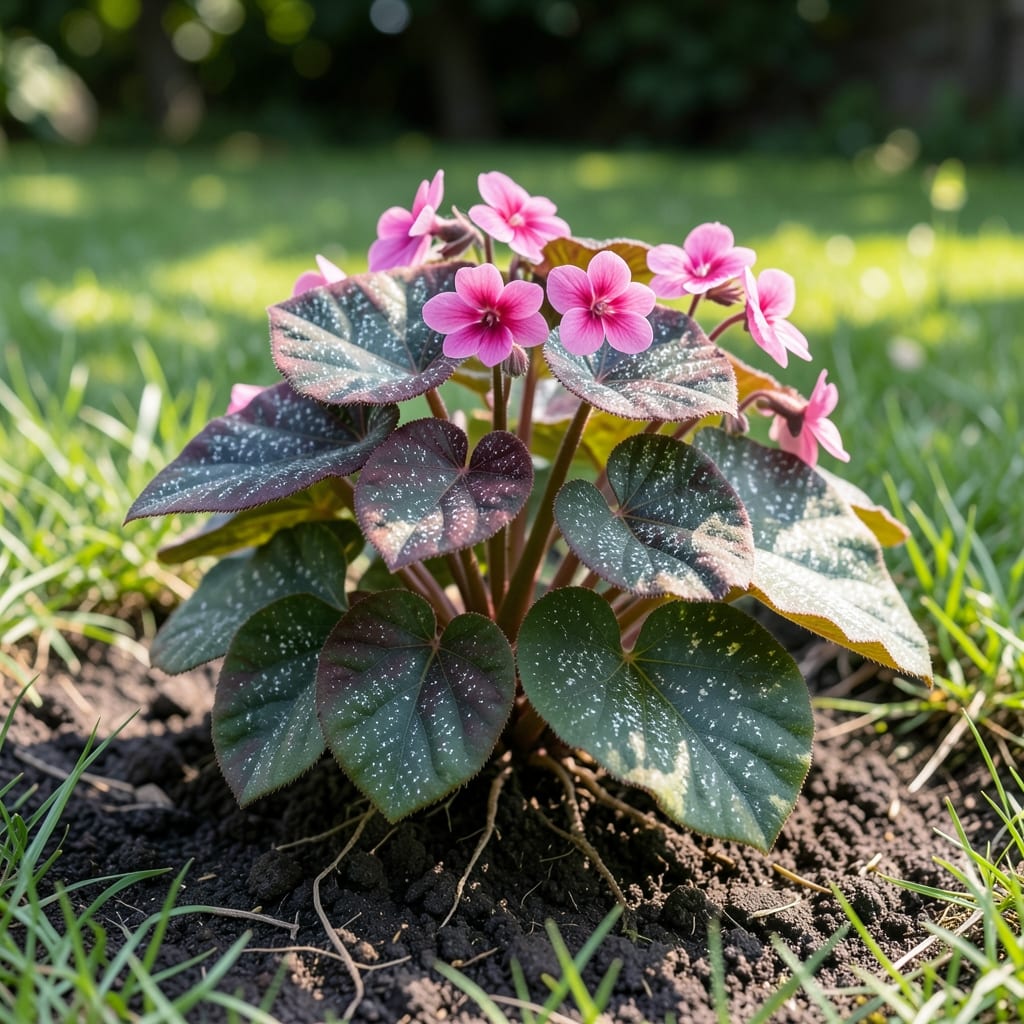
Begonias are typically grown as annuals in colder climates but can be perennial in frost-free zones. Their lifespan depends on species, with tuberous types often returning yearly in warm regions.
I’ve seen these plants thrive for years in USDA zones 9-11 where frost never touches the soil. In cooler areas, gardeners dig up tubers before the first freeze and replant them the next spring. Their ability to bounce back year after year makes them a favorite for shaded gardens and containers. ✨
What makes them unique is their adaptability—some varieties like wax begonias handle annual treatment well, while tuberous types demand winter protection to survive long-term.
💡 In This Article
Begonias can’t survive temperatures below 32°F, which is why they die back in cold climates. In USDA zones 9-11, where frost never occurs, these plants maintain active growth year-round, behaving as true perennials.
The tuberous varieties are particularly hardy in warm zones, entering dormancy during cooler months but regrowing from stored energy in their tubers when temperatures rise again. 🔥
In zones 7-8, begonias often survive mild winters with protection, while zones 1-6 require treating them as annuals. The key difference lies in their underground structures: fibrous-rooted types perish completely in frost, while tuberous types can be dug up and stored indoors during winter.
This adaptability explains why gardeners in Michigan replant each spring, while those in Florida enjoy the same plants for years. ✨
The mechanism behind this involves energy storage. Tuberous begonias store nutrients in their tubers during dormancy, allowing them to regrow when conditions improve. This is similar to how dahlias and cannas survive winter. The tubers need a 4-6 week rest period at temperatures between 45-55°F to break dormancy properly. 💫
Soil temperature also plays a crucial role. Begonias won’t grow until soil reaches at least 55°F, which is why they’re planted after the last frost date in colder regions. In warm climates, they may continue growing through winter if soil stays warm enough.
This temperature sensitivity is why they’re often started indoors 6-8 weeks before the last frost in northern areas. ⚡
What most gardeners don’t realize is that even in warm zones, poor drainage can kill perennial begonias. Their tubers rot easily in waterlogged soil, which is why well-draining locations are essential for long-term survival. This explains why container growing is popular—it allows precise control over moisture and temperature conditions.
Only in USDA zones 9-11 where frost doesn’t occur. In cooler areas, they’ll die back in winter but can return from tubers if properly stored.
For tuberous types, dig up tubers after the first frost, dry for 1-2 weeks, then store at 45-55°F in a dark place. Replant in spring when soil warms to 55°F.
No. Fibrous-rooted varieties die in frost and must be replanted, while tuberous types can be overwintered indoors or in the ground in warm climates.
Move them indoors before temperatures drop below 50°F. Place in bright, indirect light and reduce watering during dormancy. Resume care in spring.