
Beautiful Plants For Your Interior
Beautiful Plants For Your Interior
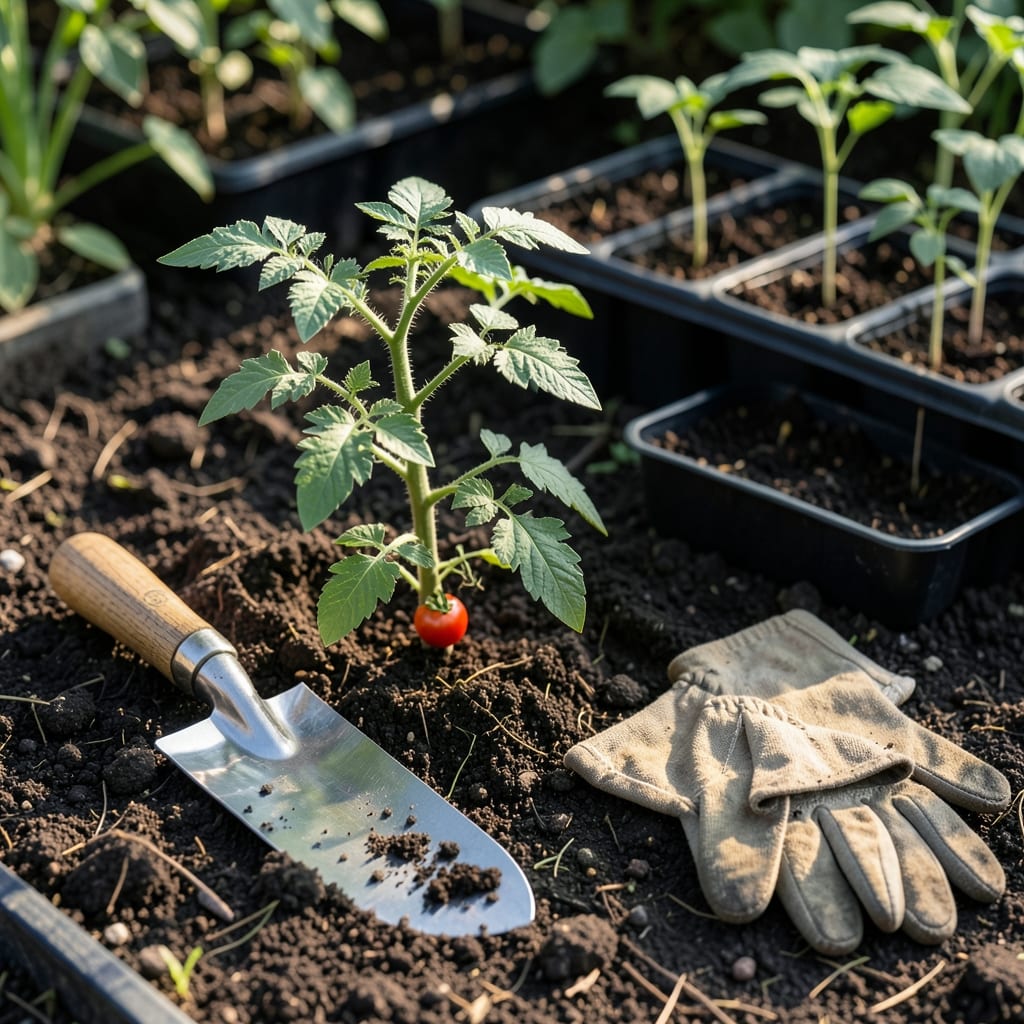
The average last frost date for zone 7a typically falls between April 1 and April 15, but local microclimates can shift this by a week or more. Always confirm with local weather data.
I’ve learned the hard way that elevation and urban heat islands can push your safe planting window earlier or later. 🌱 Even nearby water bodies create microclimates that delay or accelerate spring warmth. That’s why I always cross-check with hyper-local weather stations before transplanting delicate seedlings.
For tender plants like tomatoes and peppers, waiting 2-3 weeks past this date gives them their best shot at thriving. 💫
💡 In This Article
Elevation is a major player, as temperatures drop about 3-5°F for every 1,000 feet of ascent. This means higher areas in zone 7a may experience frost 5-10 days later than valleys. Urban heat islands, where cities absorb and retain heat, can push last frost dates earlier by 1-2 weeks compared to rural areas. 🔥
Proximity to large bodies of water also creates significant variation. Coastal regions often have a moderating effect, delaying frost by 7-10 days due to the water’s heat-retaining properties. Inland areas, lacking this buffer, see more dramatic temperature swings and earlier frost dates. 💫
Historical weather patterns show that zone 7a has seen last frost dates as early as March 20 in exceptionally warm years and as late as April 25 during colder springs. These extremes highlight why relying solely on averages can be risky for sensitive plants. ⚡
Soil temperature matters just as much as air temperature. Even after the last frost, soil may remain too cold (below 50°F) for warm-season crops. Using a soil thermometer helps determine if conditions are truly safe for planting heat-loving vegetables. 🌟
Microclimates within your own property can vary widely. South-facing slopes, protected corners near buildings, and low-lying areas all create pockets with different frost patterns. Observing these spots over several years gives the most accurate picture of your garden’s unique conditions. ✨
Predictions are based on 30-year averages, but weather varies yearly. Always check the 10-day forecast before planting sensitive crops.
Row covers can protect plants from light frost, allowing you to start 2-3 weeks earlier. Remove them during warm days to prevent overheating.
Tender plants exposed to frost may suffer stunted growth or die. Cold soil can also prevent seed germination, delaying your entire growing season.
Cold-hardy crops like kale, spinach, and peas can withstand temperatures down to 20°F. These are great for early season planting.