
Beautiful Plants For Your Interior
Beautiful Plants For Your Interior
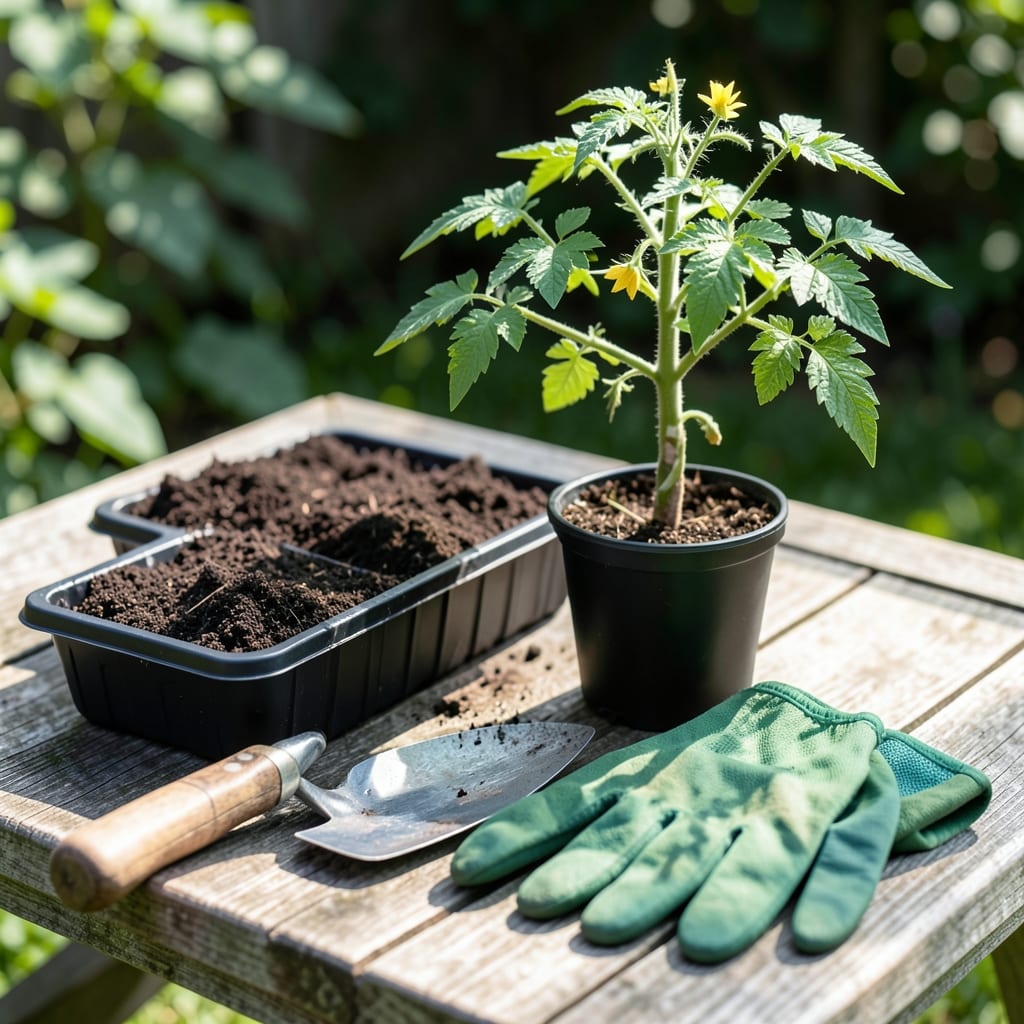
The last frost date varies by location. Enter your zip code into a reliable gardening calculator to find the average date when frost is no longer expected in your area, typically between March and June.
I always check multiple sources for my garden planning, since microclimates can shift these dates by weeks. 🌱 The data comes from decades of weather records, giving you a 90% probability of frost-free conditions after that date. This precision lets me safely start tomatoes outdoors or protect tender annuals from unexpected cold snaps.
💡 In This Article
Plants suffer frost damage when ice crystals form inside their cells, rupturing cell walls. This happens at 32°F for most tender plants, though some hardy varieties tolerate down to 28°F. Tomatoes, peppers, and basil will wilt and blacken overnight if exposed. The damage is irreversible because the cellular structure collapses, stopping nutrient and water transport.
Timing your planting around the last frost date prevents this disaster. Warm-season crops like cucumbers need soil temperatures above 60°F to germinate properly. Starting seeds too early means stunted growth or rot in cold, wet soil. 🌱 I’ve seen bean seeds rot in 50°F soil because they simply can’t metabolize effectively below that threshold.
Even hardy plants benefit from precise timing. Broccoli can survive light frosts, but its growth slows dramatically below 40°F. Waiting until after your last frost date ensures consistent growth rates.
This is why commercial farmers in Michigan don’t plant corn until late May—despite being hardy, it grows too slowly in cool soil to mature before fall.
The science behind frost dates comes from 30-year climate averages. Meteorologists track the last spring frost and first fall frost for each location, then calculate the probability of frost occurring after a certain date.
For most zones, there’s a 10% chance of frost after the published last frost date, which is why savvy gardeners watch the forecast.
Microclimates add another layer of complexity. Urban areas often have later last frost dates than rural locations just 10 miles away due to heat islands. valleys collect cold air, creating frost pockets that may be 5-10°F colder than surrounding areas.
💫 That’s why your neighbor’s garden might thrive while yours struggles—local topography matters as much as the zip code.
They’re generally accurate for most areas, based on 30-year climate data. But always cross-check with local sources, as microclimates can shift dates by 1-2 weeks.
Tender plants like tomatoes and basil can’t survive temperatures below 32°F. Their cells rupture when ice forms, causing permanent damage that stops growth.
Yes, with proper precautions. Use row covers, cloches, or wall-o-water tepees to shield plants. Remove covers during warm days to prevent overheating.
Cities often have later last frost dates due to heat islands. Some urban gardens may see dates 5-10 days later than surrounding rural areas.