
Beautiful Plants For Your Interior
Beautiful Plants For Your Interior
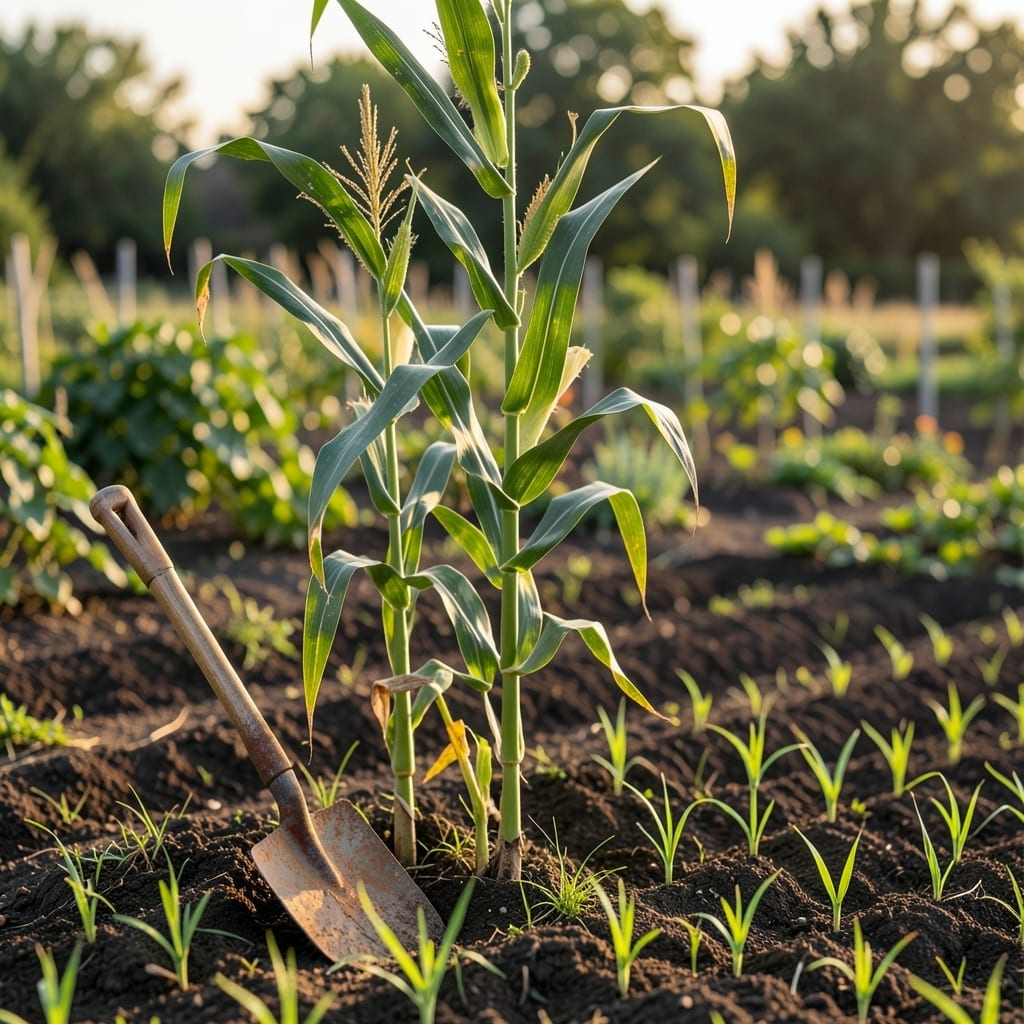
Timing is everything when planting 🌽 corn in Middle Tennessee. Plant too early and frost could wipe out your crop. Wait too long, and you might miss the sweet spot for optimal growth.
In our region, the last frost typically hits around mid-April. But here’s the key: corn needs soil temperatures of at least 60°F to germinate properly.
This guide will show you exactly when to plant based on local climate patterns. We’ll cover soil temperature, frost dates, and regional tips to help you succeed.
Discover the perfect planting window to maximize your harvest this season. Let’s get started.
In Middle Tennessee, the last frost date typically falls around April 15. This is your starting point for planning. I always recommend waiting until 2-3 weeks after this date to plant corn.
Soil temperature is the real game-changer. Corn seeds need consistent soil temps of 60°F or higher to germinate properly. Planting in colder soil often leads to poor germination or stunted growth.
| Stage | Date/Requirement |
|---|---|
| Last Frost | Mid-April |
| Soil Temp | 60°F minimum |
| Planting Window | Late April to early May |
| Harvest Time | July to September |
The ideal planting window for Middle Tennessee is generally from late April to early May. This gives your corn enough time to establish before the summer heat kicks in.
I’ve found that planting too early, even by a week, can set you back. The seeds may just sit in the cold ground, vulnerable to rot or pests. Patience really does pay off with corn.
For the most accurate timing, I suggest using a soil thermometer. Check the temperature at a 2-inch depth in the morning for several days. When it consistently reads 60°F or above, you’re good to go.
Remember that Middle Tennessee’s climate can vary. Areas near Nashville might warm up faster than higher elevations. Always adjust based on your specific microclimate and local weather patterns.
If you’re eager to get a head start, consider using black plastic mulch. This can help warm the soil a few degrees faster in early spring. Just be sure to remove it once the plants emerge.
Finally, keep an eye on the extended forecast. A late cold snap can happen, even after the average last frost date. I always have row covers ready just in case.
With these guidelines, you’ll be well on your way to a successful corn harvest in Middle Tennessee this season ✂️
For corn in Middle Tennessee, soil temperature is far more critical than air temperature. I’ve learned that seeds won’t germinate properly if the soil is below 60°F at planting depth.
Cold soil causes slow germination, weak seedlings, and poor stand establishment. It can even lead to seed rot if the ground stays too wet and cold for too long.
⚠️ Warning: Planting corn in soil below 55°F often results in failed germination or stunted plants that never recover. Always check soil temp before planting!
To test your soil, use a simple soil thermometer. Insert it 2-3 inches deep in the morning for several days. When readings stay at or above 60°F, it’s safe to plant.
I recommend taking readings in multiple spots across your garden. Soil temps can vary, especially in areas with different sun exposure or drainage. North-facing slopes often warm up later than south-facing ones.
If you’re eager to plant but soil is still cool, black plastic mulch can help. It absorbs heat and warms the soil 3-5 degrees faster than bare ground. Just remove it once seedlings emerge.
Remember that corn is sensitive to cold stress early on. Even if seeds sprout in cool soil, the plants may struggle to grow vigorously, leaving them vulnerable to pests and diseases ☀️