
Beautiful Plants For Your Interior
Beautiful Plants For Your Interior
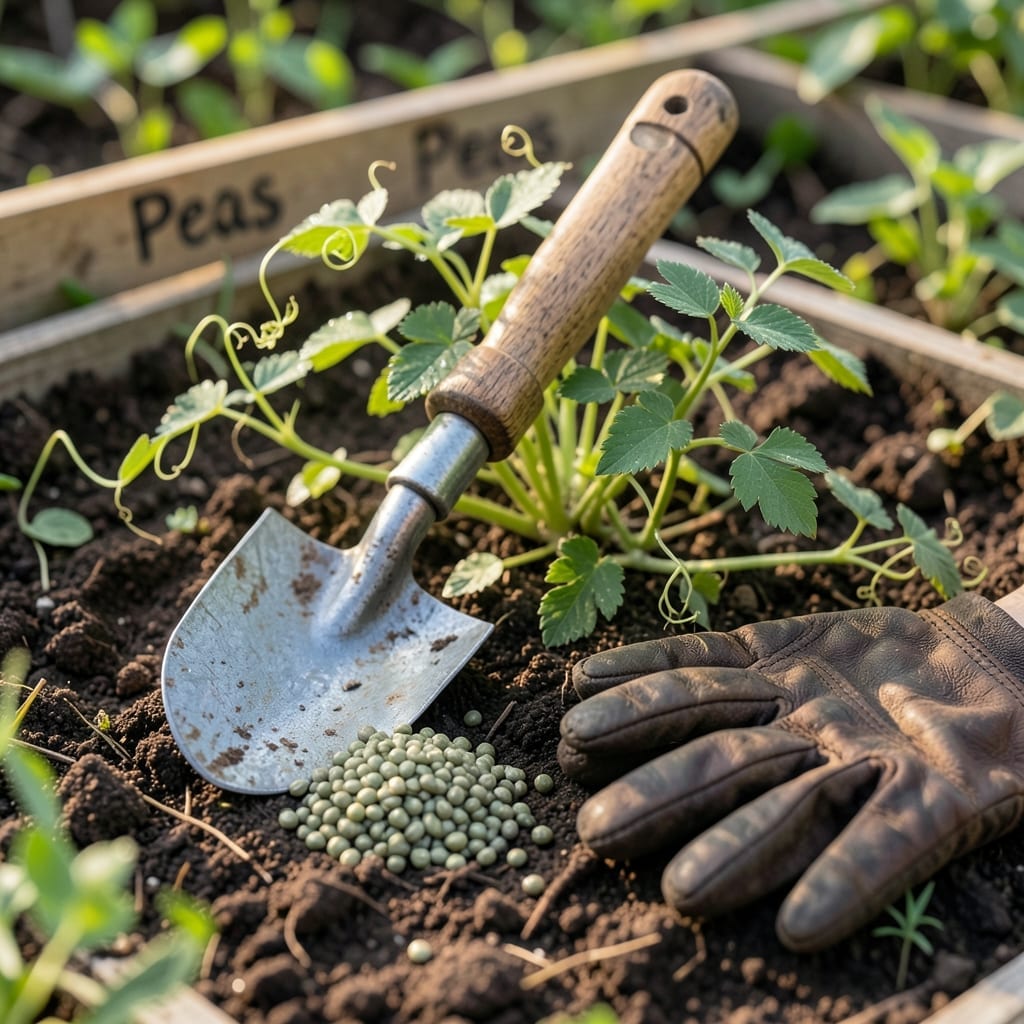
Timing is everything when planting Early Spring Vegetables 🥕 in Zone 6—plant too soon, and frost could kill your seedlings. Wait too long, and you’ll miss the cool-season window entirely.
This delicate balance determines whether your garden thrives or struggles. I’ve learned the hard way that a few days can make all the difference between a bountiful harvest and a disappointing start.
What if you could know the exact moment to get those seeds in the ground? The good news is, there’s a science to this timing that removes the guesswork.
Discover the frost-proof schedule that maximizes your harvest while minimizing risk. Let me walk you through how to nail this timing every time.
In USDA Zone 6, the last frost date typically falls around April 15. This means you can start planting cold-hardy vegetables as early as late March if the soil is workable and not frozen.
I always check the soil temperature—it should be at least 40°F for most early spring crops. A soil thermometer is an inexpensive tool that takes the guesswork out of timing. 🌱
| Vegetable | Planting Time | Soil Temp | Notes |
|---|---|---|---|
| Peas | 4-6 weeks before last frost | 40°F+ | Direct sow, trellis needed |
| Lettuce | 4-6 weeks before last frost | 35°F+ | Shade in heat, succession plant |
| Spinach | 4-6 weeks before last frost | 35°F+ | Fast grower, cold tolerant |
| Radishes | 4-6 weeks before last frost | 40°F+ | Ready in 3-4 weeks |
| Kale | 4-6 weeks before last frost | 40°F+ | Frost sweetens flavor |
For direct sowing, I prepare the soil by removing debris and loosening it to a depth of 6-8 inches. Adding compost improves fertility and drainage, which is crucial for early spring planting.
Peas and radishes are my go-to choices for the earliest plantings because they tolerate cold soil and even light frosts. I plant them about 1 inch deep and 2 inches apart in rows.
Lettuce and spinach prefer slightly warmer soil but can still handle light frosts. I sow their seeds ¼ to ½ inch deep and keep the soil consistently moist for germination.
If you’re starting transplants indoors, begin broccoli and cabbage about 8-10 weeks before the last frost date. This gives them a head start for transplanting outdoors in early spring.
Remember, mulching helps retain soil moisture and warmth. I use straw or shredded leaves to protect young plants from temperature swings that are common in early spring.
Finally, keep an eye on the weather forecast. If a late frost is predicted after planting, I cover my crops with row covers or old blankets to protect them overnight. 🌿
In Zone 6, late frosts can sneak up on even the most prepared gardener. I’ve learned to use row covers and cloches to shield tender seedlings from sudden cold snaps. These simple tools create a microclimate that keeps plants cozy.
Another trick I swear by is mulching with straw or leaves. This insulates the soil, keeping roots warm and preventing frost heave. It’s a game-changer for early spring vegetables like peas and spinach.
Protect Your Plants from Late Frosts
For extra security, I set up cold frames over my most vulnerable plants. These mini greenhouses trap heat during the day and release it slowly at night, giving my kale and lettuce a fighting chance against unseasonable chills.
Timing is key—I always check the 10-day forecast and cover plants before temperatures dip below 32°F. It’s better to be over-prepared than to lose a crop to an unexpected frost.
Don’t forget to remove covers during the day to let plants breathe and soak up sunlight. I’ve seen too many gardeners leave them on too long, which can cause overheating and stress.
Finally, I recommend grouping cold-hardy vegetables together in a sheltered spot. This makes it easier to protect them and ensures they get the best possible start in Zone 6’s unpredictable spring weather 🌱