
Beautiful Plants For Your Interior
Beautiful Plants For Your Interior
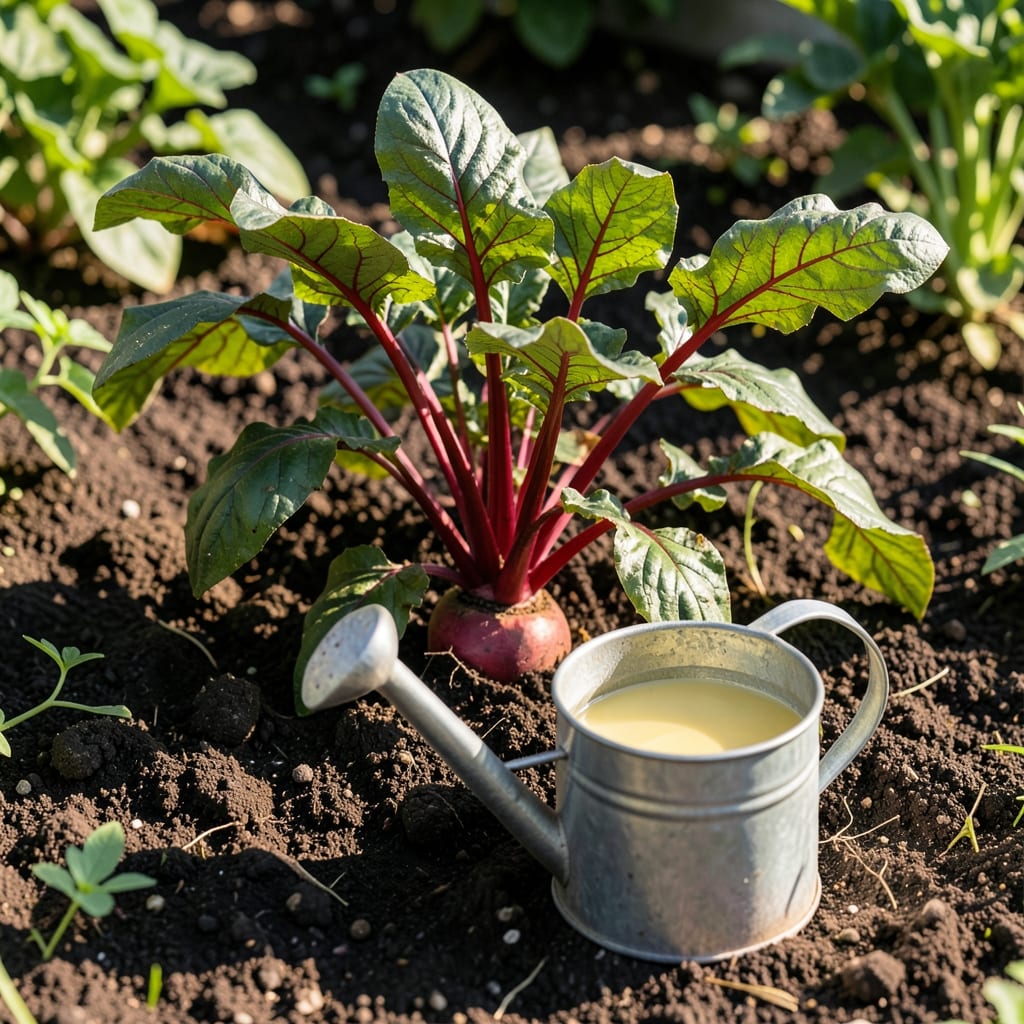
Red or pink urine after eating beets is harmless and normal for most people, caused by betalain pigments not fully broken down during digestion. It typically appears within hours and fades within a day or two.
This phenomenon, called beeturia, affects about 10-14% of the population and is more noticeable in people with low stomach acid or iron absorption issues. 🔥 The pigments pass through the digestive system and are excreted, creating that temporary color change. It’s a harmless sign your body is processing the nutrients normally.
💡 In This Article
The vibrant red and yellow pigments in beets, called betalains, are water-soluble compounds that give the vegetable its rich color. During digestion, about 5-15% of these pigments resist breakdown in the stomach and small intestine, passing into the large intestine relatively intact.
Here’s where individual metabolism kicks in—your gut bacteria begin processing them, but the efficiency varies dramatically from person to person. 🔥
Your stomach’s acidity plays a crucial role in pigment absorption. People with hypochlorhydria (low stomach acid) often experience more pronounced beeturia because fewer betalains are broken down initially. The pigments then travel through your urinary system, where the kidneys filter them out.
The color appears within 2-24 hours after consumption, depending on your digestive speed and hydration levels.
Gut microbiome composition significantly influences how much pigment gets absorbed versus excreted. Studies show that individuals with certain bacterial profiles break down betalains more completely, resulting in less visible color change. Conversely, those with iron deficiency or malabsorption issues may excrete up to 90% of the pigments unchanged.
This explains why beeturia affects some people consistently while others never notice it. ✨
The intensity of the color also depends on the beet variety and preparation method. Raw beets contain the highest concentration of betalains, while cooking can reduce pigment stability by 30-40%. Deep red beets produce the most noticeable effects, whereas golden beets may cause only a faint yellow tint.
The volume consumed matters too—eating 1 cup of beets provides about 50-100mg of betalains, enough to trigger visible changes in susceptible individuals. 💫
Interestingly, the pH of your urine affects the final color. Acidic urine (pH below 6.0) tends to produce a brighter red, while alkaline urine (pH above 7.0) may shift the hue toward orange or pink.
This pH-dependent color change is the same principle that makes red cabbage juice turn different colors when mixed with various liquids. The pigments are essentially acting as natural pH indicators as they pass through your system. ⚡
The color change usually appears within 2-24 hours and fades within 1-2 days. It depends on your hydration and digestion speed.
It’s mainly due to differences in stomach acid and gut bacteria. People with low acidity or iron absorption issues often see more noticeable changes.
Cooking reduces betalain pigments by 30-40%, so it may lessen the color change. However, some people will still see pink or red urine.
If the color disappears after 48 hours and you feel fine, it’s likely from beets. If it persists or you have pain, see a doctor.