
Beautiful Plants For Your Interior
Beautiful Plants For Your Interior
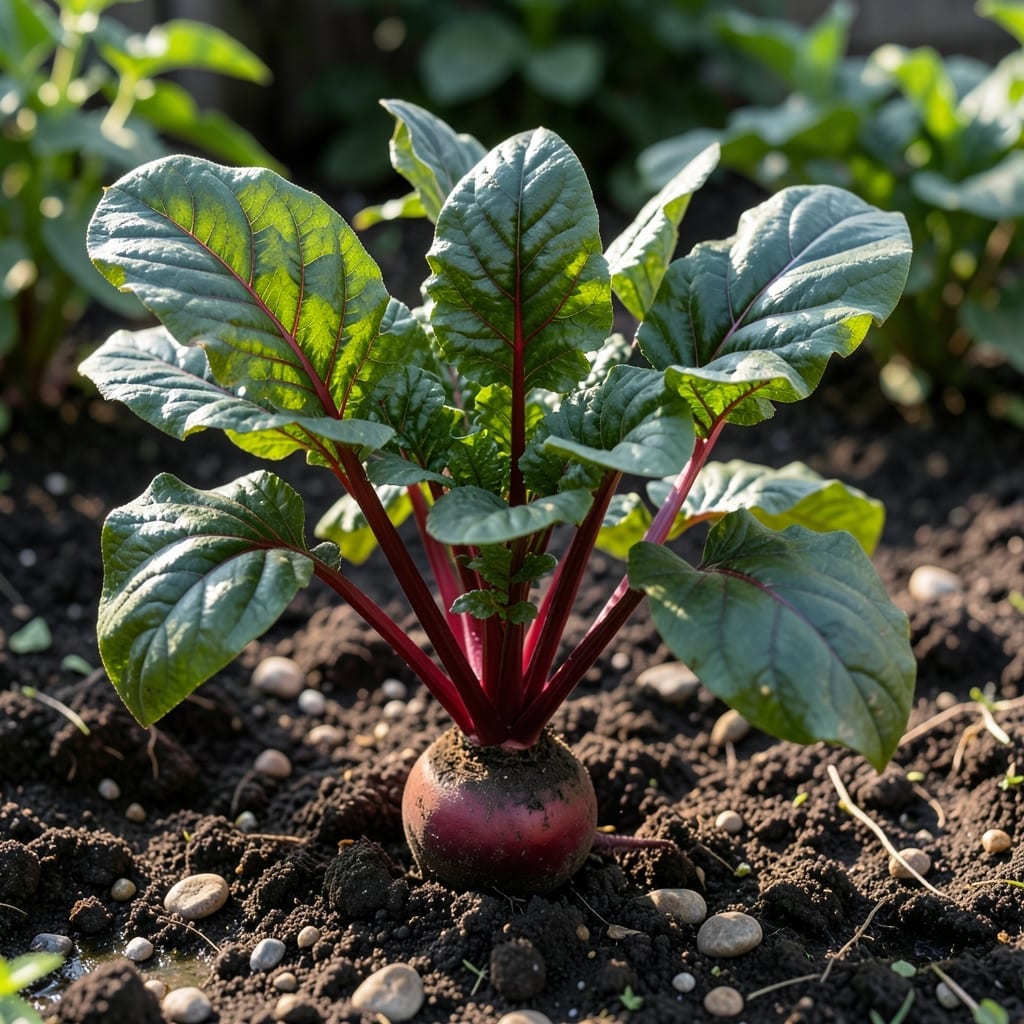
Eating beets can turn urine pink or red due to betalain pigments not fully broken down during digestion. This harmless condition, called beeturia, affects about 10-14% of people.
I find this pigment behavior fascinating because betalains are the same compounds that give beets their vibrant color. Your body’s ability to process these natural pigments depends on stomach acid levels and gut bacteria composition. Some people notice this effect more dramatically, while others might see only a faint tint or none at all. 🔥
💡 In This Article
Betalains, the vibrant red and yellow pigments in beets, are water-soluble compounds that aren’t always fully metabolized. When you eat beets, these pigments travel through your digestive system. In some people, stomach acid doesn’t break them down completely, allowing them to pass into the urine intact.
This is what creates that surprising pink or red hue. 🔥
The variation in how people process betalains comes down to individual differences. Stomach acidity plays a huge role—those with higher acid levels tend to break down these pigments more effectively. Gut bacteria composition also matters, as certain microbes can metabolize betalains more efficiently. This explains why only about 10-14% of the population experiences noticeable beeturia.
Interestingly, the amount of beets consumed directly influences the color change. Eating a small portion might result in a faint tint, while a larger serving can produce a more vivid red. The pigments typically appear in urine within 2-4 hours of consumption and may last up to 24 hours, depending on your body’s processing speed.
✨
Beeturia is completely harmless and doesn’t indicate any health issues. In fact, it’s often seen as a sign that you’re getting a good dose of antioxidants, as betalains have strong antioxidant and anti-inflammatory properties.
Some studies even suggest that the presence of beeturia might be linked to lower iron levels, though this connection isn’t fully understood yet. 💫
If you’re curious about your own reaction, try eating a serving of cooked beets (about 1 cup) and observe the color of your urine over the next few hours. The intensity can vary based on hydration levels too—more diluted urine may show a lighter pink, while concentrated urine could appear deeper red.
This simple test can give you insight into how your body processes these fascinating pigments. ⚡
About 10-14% of people experience beeturia due to variations in stomach acidity and gut bacteria. Those with lower stomach acid or specific gut microbes process betalains less efficiently.
The pink or red tint typically appears within 2-4 hours of eating beets and may last up to 24 hours. It fades as the pigments pass through your system.
Cooking doesn’t prevent beeturia, but raw beets may produce a more intense effect. Processing can break down some pigments, but enough remain to cause the color change.
No, beeturia is completely harmless. It’s simply your body’s way of processing natural pigments. In fact, it often means you’re getting beneficial antioxidants.