
Beautiful Plants For Your Interior
Beautiful Plants For Your Interior
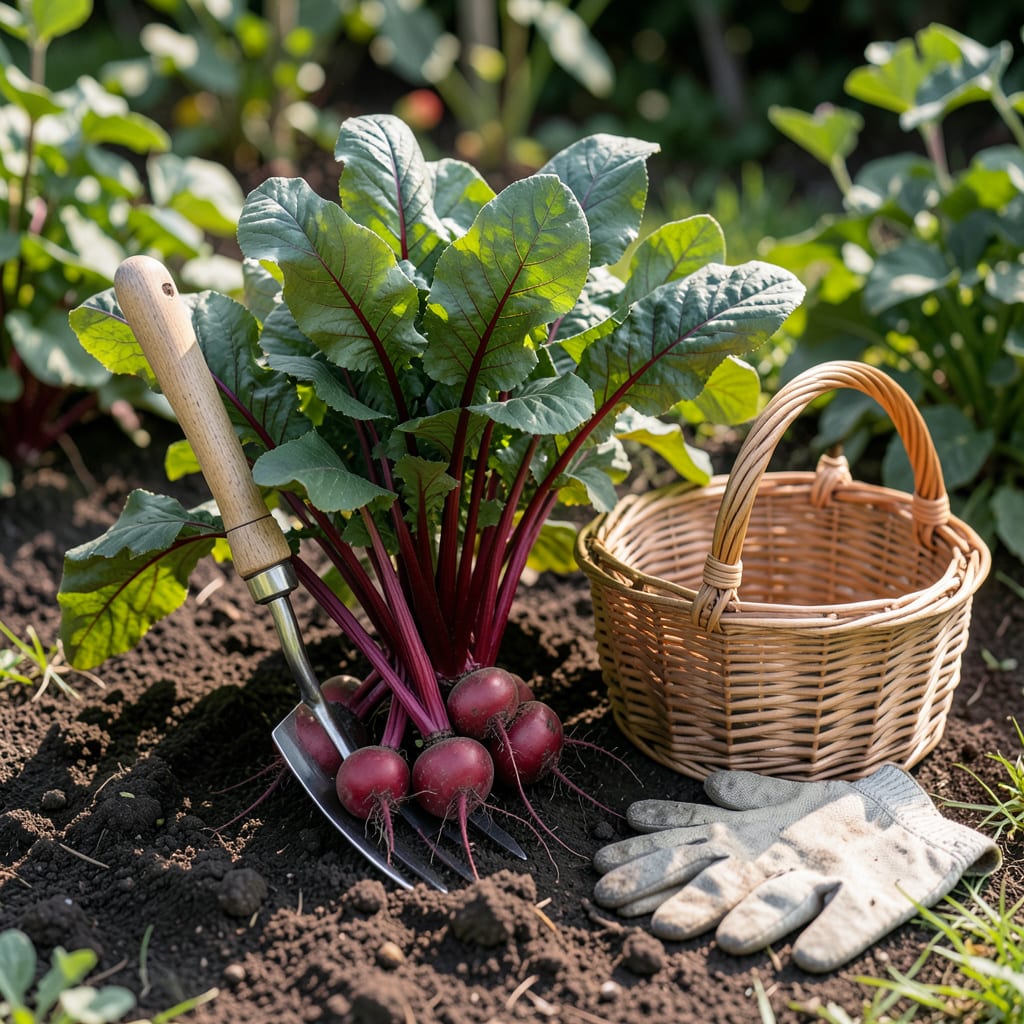
Nothing beats the satisfaction of pulling fresh 🥬 Beet from your garden, but the real magic happens after harvest. Proper timing and storage can transform your crop from good to exceptional.
I’ll show you the most effective ways to harvest and store beets so they stay crisp and flavorful for months. Let’s make your hard work last.


Knowing the perfect harvest time ensures your beets are sweet and tender. I look for roots 1-3 inches wide with firm skin and vibrant green leaves. These signs mean they’re ready to pull.
Harvest too early, and they’ll be small and underdeveloped. Wait too long, and they can turn woody or bitter. Timing is everything for the best flavor and texture. 🌱
I always use a garden fork to loosen the soil first. This prevents the roots from snapping and ensures a clean pull. Beets with intact skins store much better than damaged ones.
If the soil is compacted or rocky, harvesting can be tricky. In those cases, I water the area lightly the day before to soften the ground. This makes pulling easier and reduces root breakage.
The best time of day to harvest is in the morning when the plants are hydrated. Avoid harvesting in the heat of the day, as this can stress the plants and affect the roots’ quality.
For baby beets, you can start harvesting when they’re 1 inch in diameter. These are perfect for roasting whole or adding raw to salads for a tender crunch.
If you’re growing beets for greens and roots, pick a few outer leaves occasionally. This won’t harm the plant and gives you a dual harvest. Just avoid removing more than a third of the leaves at once.
After pulling, I let my beets dry in the shade for an hour or two. This helps the skins toughen slightly, which improves their storage life significantly.
Finally, store your freshly harvested beets in a cool, dark place until you’re ready to clean and process them. This maintains their freshness until you decide on a long-term storage method. 🌿
Proper storage keeps your beets fresh and flavorful for months. I’ve found that cool temperatures and controlled humidity are key to preserving their sweetness and texture.
The first step is preparing your beets correctly. Trim the greens to 2 inches and brush off dirt, but avoid washing until you’re ready to use them. This prevents moisture loss and rot. 🌱
| Method | Conditions | Duration |
|---|---|---|
| Root Cellar | 32-40°F, 90-95% humidity | 3-5 months |
| Refrigerator | 32-36°F, sealed container | 2-3 weeks |
| Freezing | 0°F, blanched & peeled | 8-10 months |
For root cellar storage, I pack my beets in damp sand or sawdust to maintain humidity. This method works best if you have a dark, well-ventilated space with consistent temperatures.
If you’re using a refrigerator, place unwashed beets in a perforated plastic bag. The perforations allow airflow while retaining moisture, which keeps the beets crisp and prevents shrinking.
For long-term storage, freezing is my go-to. First, I blanch the beets for 3-5 minutes, then cool them in ice water. After peeling and slicing, I pack them in airtight containers before freezing.
Even with the best intentions, small storage mistakes can ruin your beet harvest. I’ve learned that improper cleaning before storage is a top culprit for early spoilage. Washing removes protective dirt and introduces moisture that leads to rot.
Another common error is leaving greens attached. The tops continue to draw moisture from the roots, making them soft and shriveled. Always trim to 2 inches for best results. 🌱
Don’t wash beets before storing—this encourages rot.
Remove greens to prevent moisture loss from roots.
Avoid temperature swings which cause condensation and spoilage.
Check regularly for soft spots or mold to catch issues early.
Temperature fluctuations are another silent killer. Moving beets from cold to warm environments causes condensation inside storage containers. This creates the perfect breeding ground for mold and bacteria.
I also caution against using airtight containers without ventilation. Beets need some airflow to prevent the buildup of ethylene gas, which speeds up deterioration. Perforated bags or breathable containers work best.
Finally, don’t store beets near ethylene-producing fruits like apples or pears. This gas can cause your beets to develop an off flavor and spoil faster than expected.
Harvest when roots reach 1-3 inches in diameter. Smaller beets may lack flavor, while oversized ones can turn woody. The ideal size ensures peak sweetness and tenderness.
No, never wash before storage. Brushing off dirt is fine, but moisture encourages rot. Wait to wash until just before use to maintain freshness.
Properly stored in a perforated bag, unwashed beets keep for 2-3 weeks. Trim greens to 2 inches and place in the crisper drawer for best results.
Blanching for 3-5 minutes is essential before freezing. This preserves color, texture, and flavor. Skip this step, and your beets may turn mushy or lose quality.
