
Beautiful Plants For Your Interior
Beautiful Plants For Your Interior
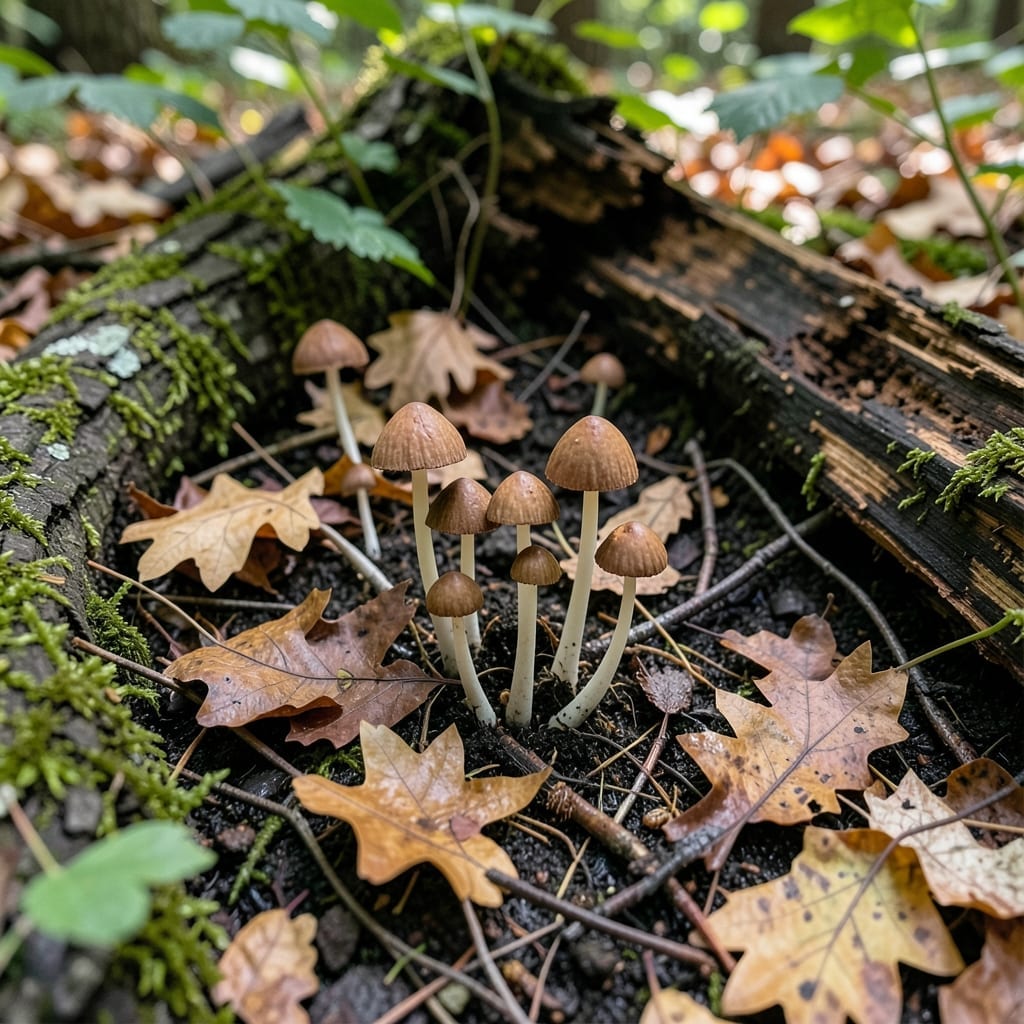
This process begins at the cellular level, where enzymes from fungi like Aspergillus and bacteria such as Pseudomonas start breaking down complex organic molecules. Proteins degrade into amino acids, carbohydrates split into simple sugars, and lipids convert to fatty acids and glycerol.
The speed of this transformation depends on temperature, with optimal activity occurring between 68-86°F. 🔥
Moisture is equally critical. In dry conditions, decomposition slows dramatically, while waterlogged environments can create anaerobic conditions where different microbes take over. The ideal moisture level for most decomposers is about 50-60% of the material’s weight. This balance allows enzymes to function efficiently while preventing harmful bacterial growth.
Fungi play a unique role by secreting extracellular enzymes that can break down tough plant materials like lignin and cellulose. A single gram of forest soil can contain miles of fungal hyphae, creating an extensive network for nutrient absorption. This mycelial web can transport nutrients over significant distances, sometimes connecting different plant root systems. ✨
Bacteria complement this process by handling the simpler compounds that fungi can’t process. Actinomycetes, a type of filamentous bacteria, are particularly effective at breaking down chitin from insect exoskeletons and other resistant substances. Together, these microorganisms release carbon dioxide, water, and mineral nutrients back into the ecosystem.
The end products include ammonium, nitrate, phosphate, and sulfate ions that plants can absorb through their roots. This nutrient cycling is so efficient that in a healthy forest ecosystem, 90% of nutrients from fallen leaves are recycled within a year. The remaining 10% contributes to the slow accumulation of organic matter that forms humus.
What’s fascinating is how this process maintains soil structure. The sticky substances produced by decomposers help bind soil particles together, creating aggregates that improve water retention and root penetration. This is why garden beds with active decomposition often have that desirable crumbly texture. 💫
It recycles nutrients back into the soil. This allows plants to reuse carbon, nitrogen, and other essential elements for new growth. Without it, ecosystems would run out of vital resources.
It varies from weeks to years depending on conditions. A banana peel might decompose in 2-6 weeks, while a fallen tree can take 50-100 years. Temperature and moisture greatly affect the speed.
Yes, but it’s slower and produces different byproducts. Anaerobic decomposition creates methane and hydrogen sulfide, which is why waterlogged areas often smell like rotten eggs.
Maintain a 30:1 carbon-to-nitrogen ratio, keep it moist like a damp sponge, and turn it every 2-3 weeks. Adding worms or fungal starters can also accelerate the process.