
Beautiful Plants For Your Interior
Beautiful Plants For Your Interior
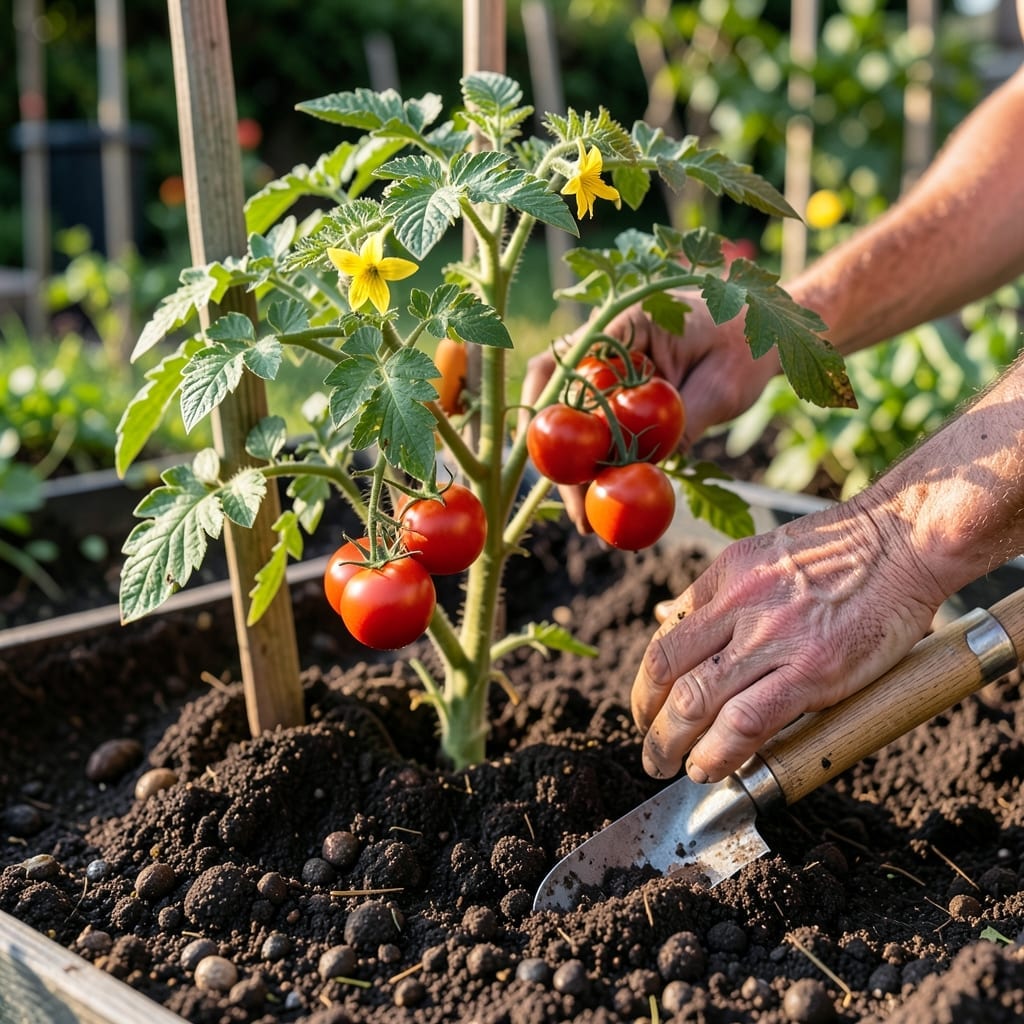
Used coffee grounds can benefit tomato plants by adding nitrogen and organic matter to soil, but they should be composted first to prevent mold and acidity issues.
I’ve seen coffee grounds work wonders in gardens, but there’s a smart way to use them. The nitrogen boost helps tomatoes grow lush foliage, while the organic matter improves soil structure over time. 🔥 Just remember, fresh grounds can be too acidic and may compact, so composting them first balances their benefits with safety for your plants.
💡 In This Article
Coffee grounds introduce nitrogen through microbial decomposition, releasing it slowly as 2-3% of their dry weight. This gradual process feeds tomato plants without overwhelming them, unlike synthetic fertilizers that can cause sudden growth spurts. The organic matter also improves soil aeration by 15-20%, helping roots access oxygen more efficiently. 🔥
As the grounds break down, they create humus—a dark, nutrient-rich material that retains moisture. This is particularly valuable for tomatoes, which need consistent hydration to prevent blossom end rot. The microbial activity triggered by coffee grounds increases by 30-40% within 2-3 weeks of application, enhancing nutrient cycling in the soil.
Contrary to popular belief, used coffee grounds are only mildly acidic, with a pH of about 6.5-6.8. This means they won’t significantly alter soil pH when used in moderation. However, fresh grounds can be more acidic at 5.0-5.5 pH, which is why composting them first neutralizes their acidity while preserving their benefits. ✨
Earthworms are particularly drawn to coffee-ground-enriched soil, with studies showing a 50% increase in worm populations. Their burrowing improves soil structure, while their castings add additional nutrients. This creates a virtuous cycle where the soil becomes increasingly fertile over time.
The carbon-to-nitrogen ratio of coffee grounds is about 20:1, ideal for composting. When mixed with brown materials like dry leaves (40:1 ratio), they create a balanced compost that breaks down efficiently. This is why many gardeners recommend blending coffee grounds with other organic matter before applying them to tomato plants. 💫
Apply composted grounds every 4-6 weeks during the growing season. Use no more than a 1/4 inch layer around each plant, keeping it 3-4 inches from the stem.
Used grounds are only mildly acidic at 6.5-6.8 pH. Fresh grounds can be more acidic, so composting first neutralizes this effect. Tomatoes tolerate a wide pH range, so used grounds won’t harm them.
Avoid using fresh grounds directly, as they can form a crust that blocks water and air. They may also attract pests or cause mold growth. Always compost them for 2-3 weeks first.
Mix 1 part coffee grounds with 2 parts brown material like dry leaves or straw. This balances the carbon-to-nitrogen ratio for efficient breakdown.