
Beautiful Plants For Your Interior
Beautiful Plants For Your Interior
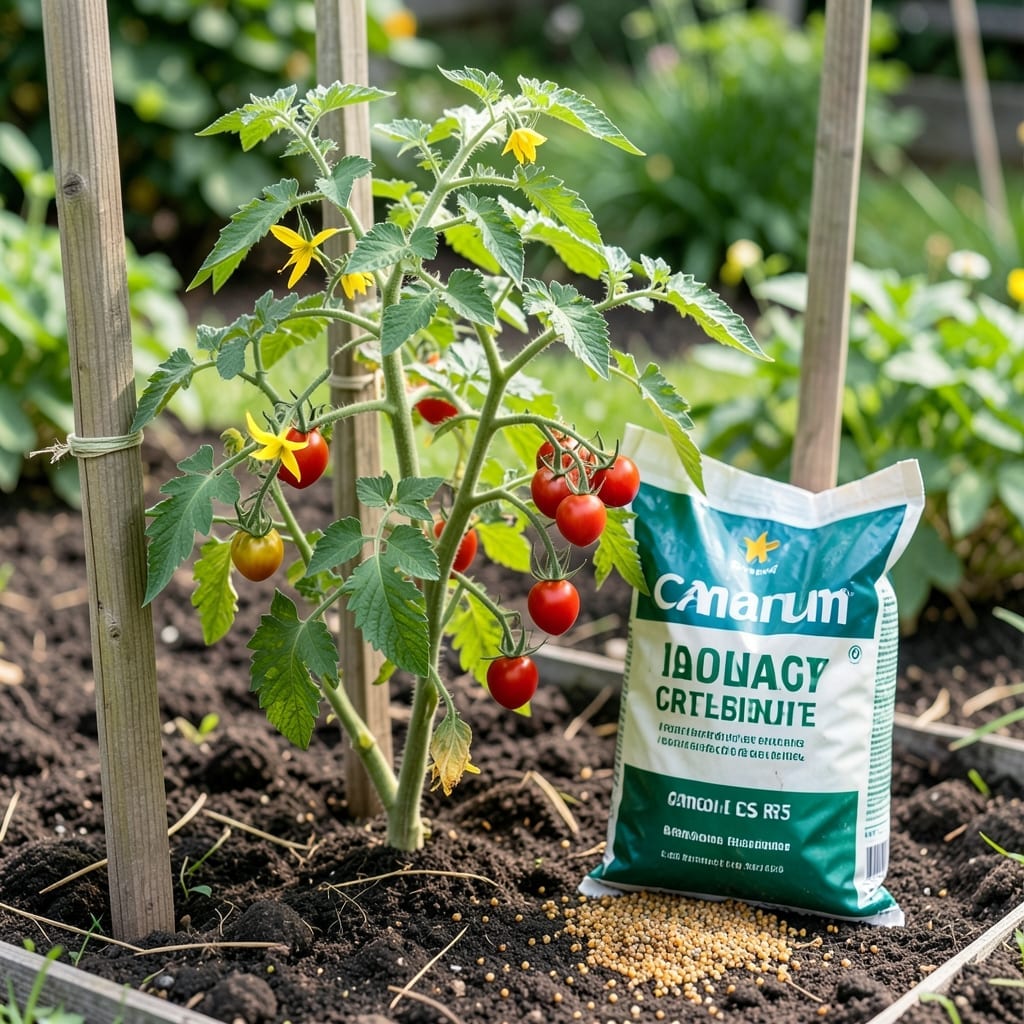
Your 🍅 Tomato plants look healthy until suddenly they don’t. Yellow leaves, stunted growth—these are silent cries for help, often pointing to a nitrogen issue.
This essential nutrient fuels lush foliage and strong stems, but balance is the key. Too little leaves plants weak; too much delays fruiting.
Discover how to spot the signs and apply nitrogen rich solutions naturally. Let’s turn those struggling plants into a thriving harvest.
I’ve seen firsthand how nitrogen transforms tomato plants. It’s the building block for lush leaves and strong stems, but balance is crucial. Too little causes yellow leaves and weak growth.
But excess nitrogen can delay fruiting and reduce your harvest. Tomato plants need this nutrient most during vegetative growth, before they start producing fruit.
🌱 Nitrogen’s Role in Tomato Growth
| Aspect | Role of Nitrogen |
| Leaf Development | Promotes vibrant green foliage |
| Stem Growth | Strengthens structural support |
| Photosynthesis | Boosts chlorophyll production |
| Fruit Impact | Excess delays fruit maturation |
Early in the season, I focus on nitrogen-rich fertilizers to establish strong plants. This gives them the energy to grow tall and develop plenty of leaves for maximum sunlight absorption.
As flowering begins, I switch to a more balanced fertilizer. Too much nitrogen at this stage can cause your plants to prioritize leaves over fruit development.
Watch for yellowing lower leaves—a classic sign of nitrogen deficiency. But don’t rush to add more if you see dark green leaves with weak stems, as this often signals excess nitrogen.
I’ve found that organic sources like compost or aged manure provide a steady supply. They release nitrogen slowly, which helps prevent nutrient imbalances in your tomato plants.
Remember, soil testing is your best friend. It takes the guesswork out of fertilization and helps you apply the right amount of nitrogen for your specific soil conditions.
Tomato plants in containers often need more frequent nitrogen applications. Their limited soil volume means nutrients get used up faster, so I feed them every 2-3 weeks during growth.
Finally, don’t forget that proper watering helps plants absorb nitrogen. Inconsistent moisture can lead to nutrient uptake issues, even if your soil has plenty of nitrogen.
🌱I always prefer organic nitrogen sources for my tomato plants. They feed the soil as well as the plants, creating a healthier growing environment long-term. Natural options release nutrients slowly, preventing overload.
Compost is my go-to choice—it improves soil structure while providing a balanced nutrient profile. I work in a 2-3 inch layer around each plant at planting time and as a side dressing.
🌱 Top Organic Nitrogen Sources
I apply blood meal when my tomatoes show yellow lower leaves. It’s a potent nitrogen source, so I use it sparingly—just 1-2 tablespoons per plant, worked into the soil.
For a gentler approach, I brew compost tea. It’s perfect for giving plants a nutrient boost without risk of burning. I apply it as a foliar spray or soil drench every 2-3 weeks.
Legumes are my secret weapon for long-term soil health. I plant clover or beans in my garden beds during the off-season. They fix nitrogen in the soil, making it available for my tomatoes later.
Remember that fresh manure can burn plants and introduce weeds. I always age it for 6 months or compost it first. This ensures it’s safe and effective for my tomato plants.
🌿