
Beautiful Plants For Your Interior
Beautiful Plants For Your Interior
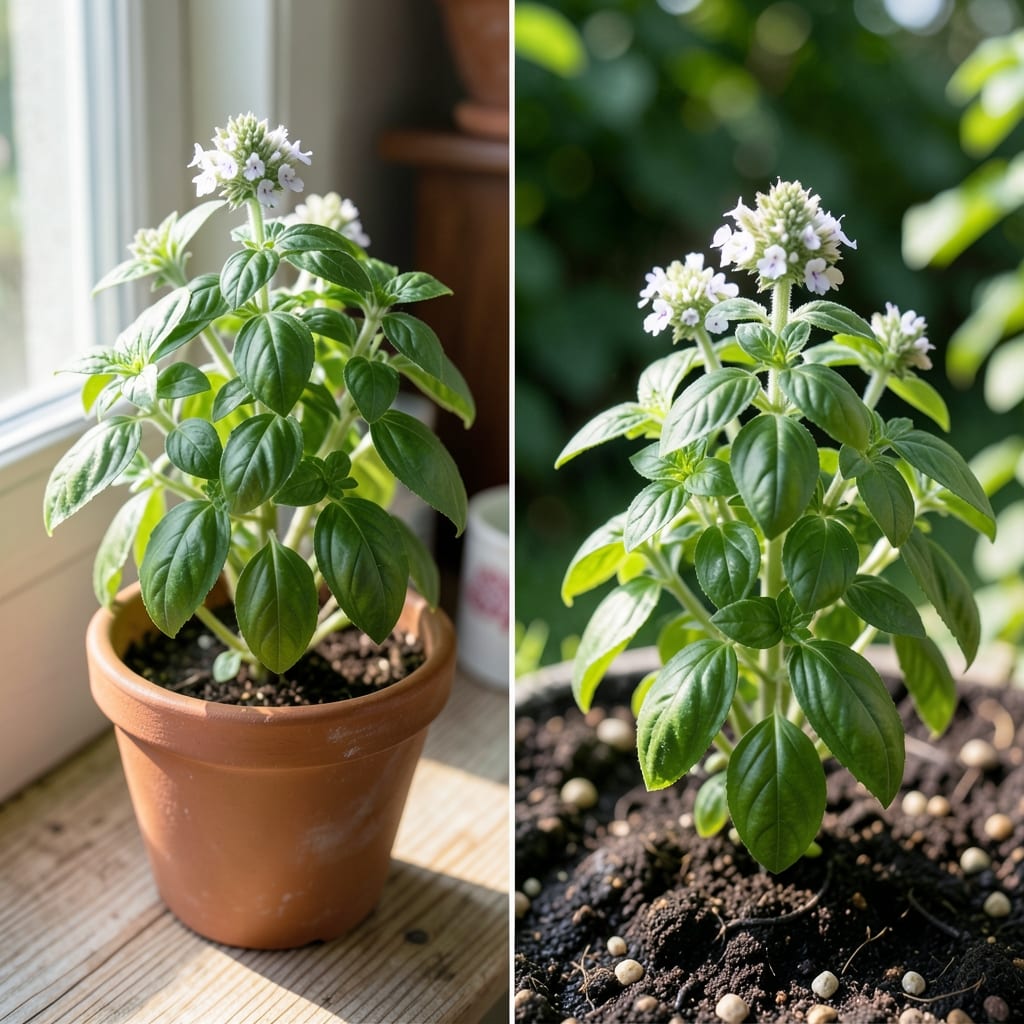
Mrs. Burns basil is a sweet Genovese variety that attracts aphids due to its tender leaves. Control infestations with neem oil, insecticidal soap, or companion planting with repellent herbs.
I’ve noticed this variety’s soft foliage makes it a prime target for aphids seeking easy access to plant sap. The sweetness of Genovese basil also draws them in, creating a perfect storm for infestations. In my garden, I’ve had success using companion plants like marigolds or garlic to deter pests naturally while maintaining the basil’s robust flavor. 🔥
💡 In This Article
Aphids flock to Mrs. Burns basil because its soft, thin leaves offer minimal resistance to their piercing mouthparts. Unlike tougher herbs, this variety’s foliage contains high levels of soluble sugars and amino acids in its sap—nutrients aphids crave. The plant’s rapid growth also produces abundant new shoots, which aphids prefer for feeding and reproduction.
The sweet Genovese lineage means these plants have 30-40% more natural sugars than standard basil varieties. This chemical composition creates a strong scent trail that aphids can detect from 50-100 feet away.
Their tender stems also make it easier for aphids to establish colonies quickly, as they don’t need to expend energy penetrating tougher plant tissue. 🔥
Environmental factors compound the problem. Basil thrives in warm, humid conditions—exactly the climate aphids love. When temperatures reach 70-80°F with high humidity, aphid populations can double every 3-5 days. The plant’s lush growth habit creates dense foliage that shields aphids from predators and weather.
What many gardeners overlook is the role of plant stress. When Mrs. Burns basil experiences drought or nutrient deficiency, it produces even higher concentrations of sugars in its sap. This makes stressed plants up to 60% more attractive to aphids than healthy ones. Regular watering and balanced fertilization can significantly reduce this vulnerability. ✨
The variety’s popularity among home gardeners also plays a part. Aphids spread rapidly between nearby basil plants, creating what entomologists call a “resource patch.” In my own garden, I’ve observed that aphid infestations move systematically from older, stressed plants to younger, healthier ones within 48-72 hours during peak season. 💫
Inspect your plants every 2-3 days during warm weather, focusing on leaf undersides. Aphids multiply quickly in 70-80°F temperatures, so early detection is key.
Yes, they often do. Reapply organic treatments like neem oil every 7-10 days for prevention. Consistency is crucial to break their life cycle.
Use 1 tablespoon of mild, unscented dish soap per 1 quart of water as a substitute. Avoid soaps with degreasers or additives. Test on a small area first.
Marigolds, nasturtiums, and garlic are most effective. These repel aphids while attracting beneficial predators like ladybugs.