
Beautiful Plants For Your Interior
Beautiful Plants For Your Interior
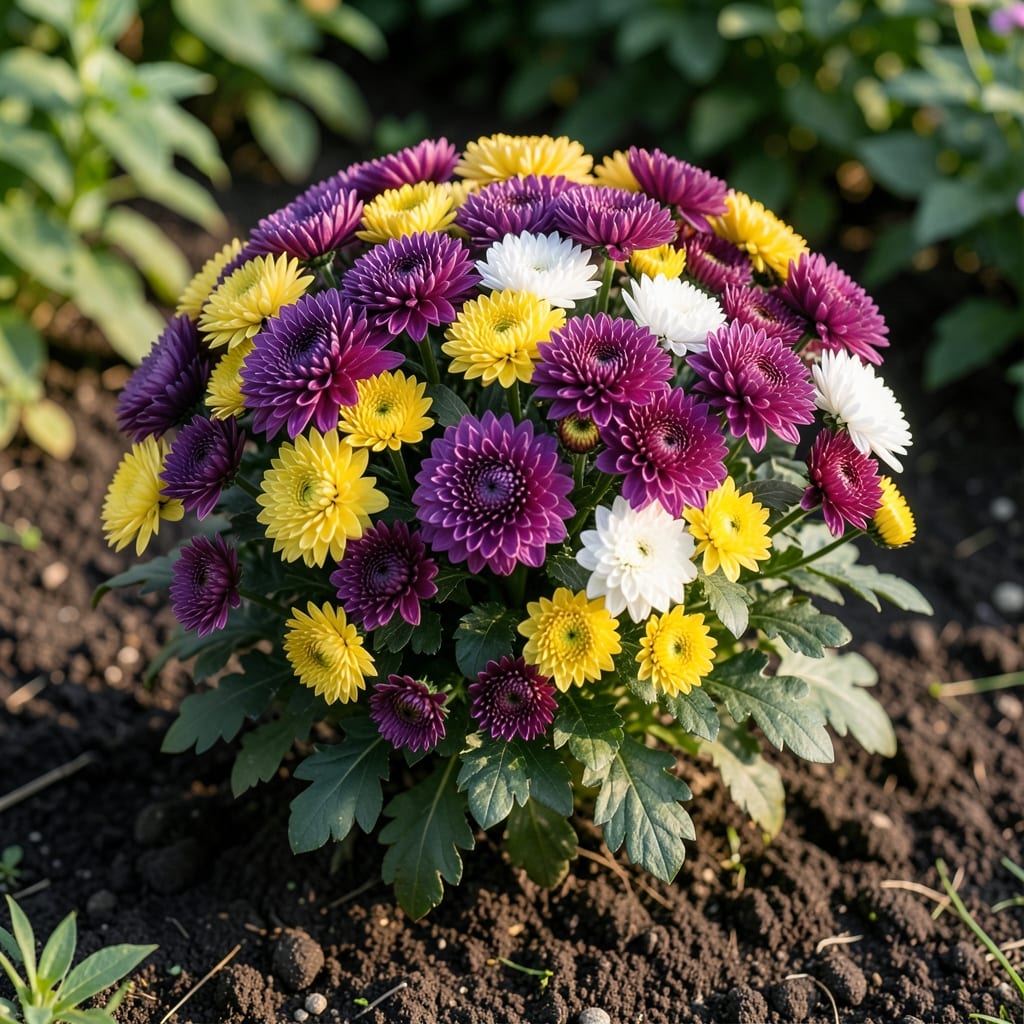
Chrysanthemums are generally hardy in USDA zones 5-9, surviving winter with proper care. Garden mums often return yearly, while florist mums typically don’t survive cold climates.
I’ve seen garden mums bounce back season after season in my own zone 7 beds, but the key is their deep root system established before frost hits. Florist varieties, though beautiful, often lack this resilience since they’re bred for show, not survival. Proper mulching and timing your planting in early fall can make all the difference for overwintering success. ✨
💡 In This Article
The cold tolerance of chrysanthemums hinges on their genetic makeup and environmental conditions. Garden mums, or Chrysanthemum × morifolium, develop deep root systems that store energy for spring regrowth, while florist mums are bred for instant blooms, not survival. 🌟
USDA zones 5-9 provide the ideal balance of cold winters and warm summers for hardiness. In these regions, temperatures rarely drop below -15°F, a threshold most garden mums can endure with proper root establishment. The plant’s ability to enter dormancy and conserve energy is key to this resilience.
Root depth matters significantly. Plants established in the ground for at least 6-8 weeks before the first frost develop extensive root networks. These roots can reach depths of 12-18 inches, accessing stable soil temperatures that remain above freezing even when air temperatures plummet. ✨
Variety differences play a crucial role. Korean mums and hardy garden varieties have been selectively bred for cold resistance over generations. In contrast, florist mums, often sold in pots during fall, are typically Chrysanthemum × grandiflorum hybrids that lack the genetic hardiness for winter survival.
Soil conditions also impact survival rates. Well-draining soil prevents root rot during winter thaws, while consistent moisture levels before dormancy help plants store maximum energy. I’ve noticed mums in raised beds often fare better as they avoid waterlogged conditions that can occur in heavy clay soils. 🔥
Microclimates within your garden can create pockets of protection. South-facing walls, fences, or buildings provide additional warmth, sometimes allowing mums to survive in zones slightly colder than their official hardiness rating.
Yes, garden mums often return yearly in USDA zones 5-9 when properly established. They develop deep roots that store energy for spring regrowth. Florist mums, however, typically don’t survive cold winters.
Plant at least 6-8 weeks before the first frost to allow roots to establish. This gives them time to develop a strong network before dormancy. Early fall planting works best in most regions.
Potted mums need extra protection. Move containers to a sheltered spot like an unheated garage or group them together against a south-facing wall. Mulch heavily and avoid waterlogged soil.
Use 2-3 inches of organic mulch like straw or shredded leaves. Apply after the first hard frost to insulate the soil and prevent freeze-thaw cycles from damaging roots.