
Beautiful Plants For Your Interior
Beautiful Plants For Your Interior
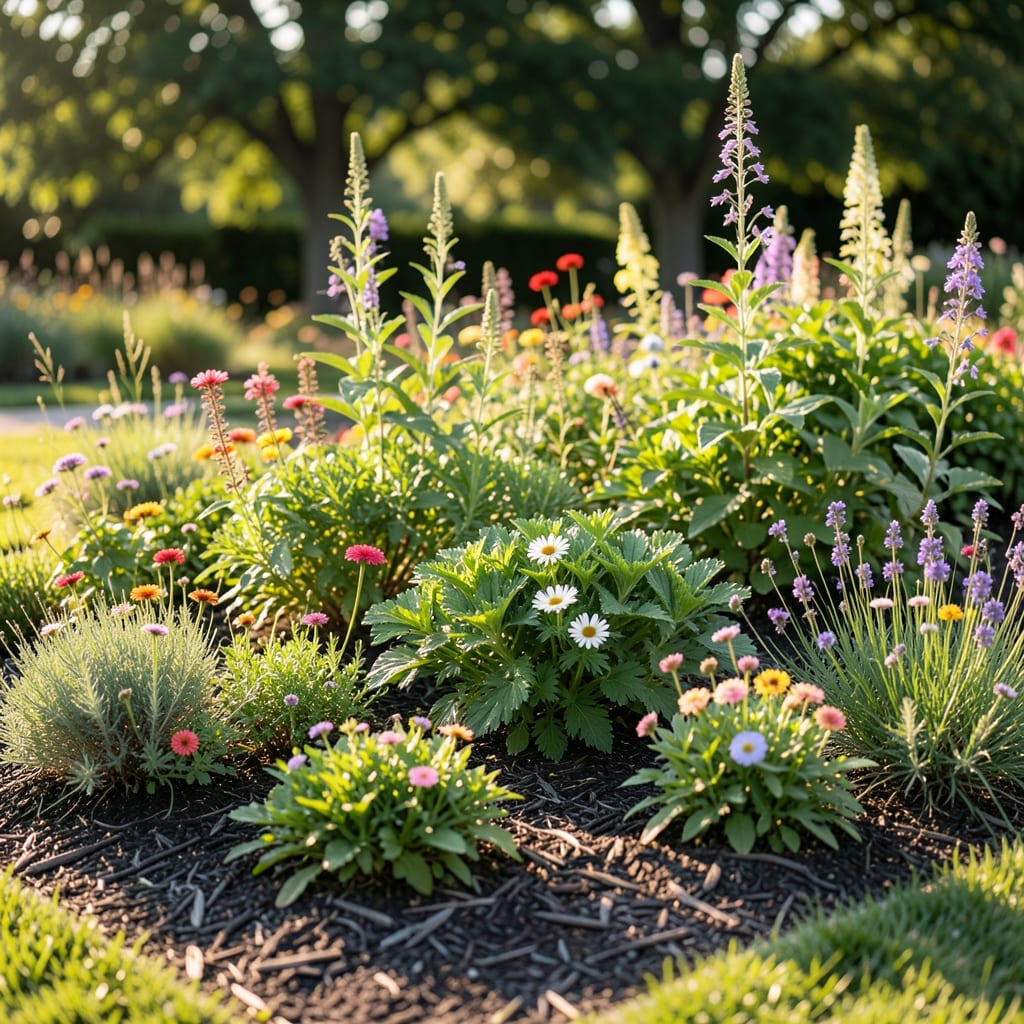
Boise primarily falls in USDA Hardiness Zone 7a, with average minimum temperatures between 0°F to 5°F, though some areas may be Zone 6b or 7b.
This classification means gardeners here can grow a wide range of perennials that tolerate cold winters. I’ve seen microclimates in the valley and foothills create slight variations, with urban areas often running a bit warmer. Understanding these nuances helps me pick plants that thrive in Boise’s specific conditions, from hardy shrubs to frost-resistant vegetables. 🌟
💡 In This Article
The USDA zones are based on 30-year averages of extreme minimum temperatures. In Boise, Zone 7a means most winters dip to 0°F to 5°F, but the Treasure Valley’s bowl-like geography traps cold air, creating pockets that can drop lower.
This is why some foothill areas slip into Zone 6b, where temps may hit -5°F to 0°F. ✨
Urban heat islands change the game downtown. Concrete and asphalt absorb and radiate heat, pushing some areas into Zone 7b (5°F to 10°F). I’ve measured 5-7°F differences between the Bench and downtown on cold nights. Elevation shifts matter too—every 1,000 feet up means a 3-5°F temperature drop. 🔥
These ranges determine plant survival. A Zone 7a shrub may die in a Zone 6b pocket during a harsh winter. The Boise River and irrigation canals also create microclimates, with areas near water staying 2-4°F warmer than drier spots. This explains why some gardeners grow figs successfully while others lose them. 🌟
What most don’t realize is how Chinook winds affect this. These warm, dry winds can cause 20-30°F temperature swings in 24 hours, thawing frozen soil and tricking plants into early growth. This makes late frosts particularly damaging. The USDA map doesn’t capture these short-term variations. ⚡
For practical purposes, always check your exact location. The USDA’s interactive map shows Boise’s zones in 250-foot increments. I use it to confirm whether I’m in a 6b, 7a, or 7b pocket before planting. This precision prevents costly mistakes with borderline plants. 💫
Use the USDA’s interactive map to check your precise location down to 250-foot increments. This reveals whether you’re in 6b, 7a, or 7b.
Urban heat islands from concrete and asphalt can raise temperatures by 5-7°F. This pushes some areas into Zone 7b.
Yes, but only in protected Zone 7b microclimates or near water sources. Most of Boise is too cold for figs to survive winter.
Every 1,000 feet of elevation gain typically drops temperatures by 3-5°F. Foothill areas may be colder than the valley.
Begin tomatoes and peppers indoors 6-8 weeks before the last frost, usually mid-April. Transplant after soil reaches 60°F.