
Beautiful Plants For Your Interior
Beautiful Plants For Your Interior
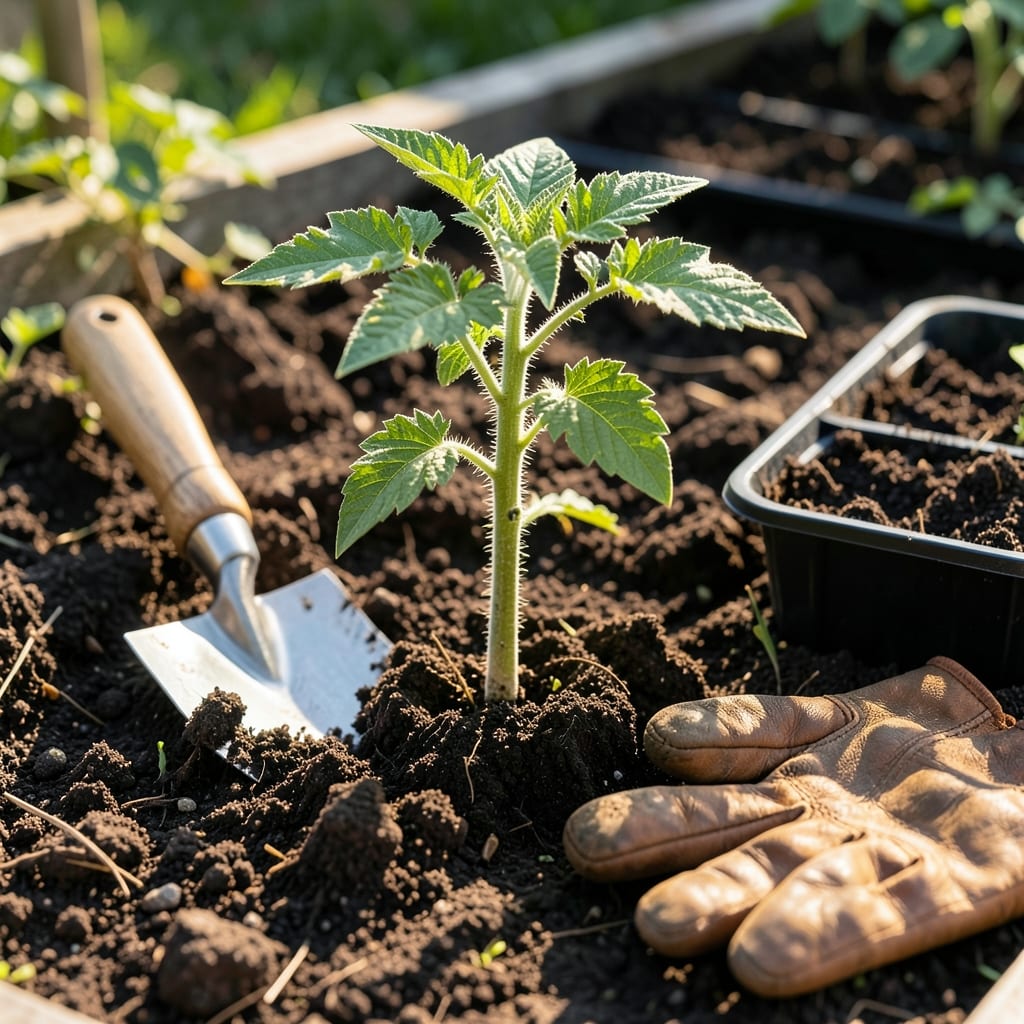
The average date of last frost varies by USDA hardiness zone, typically ranging from late winter in zone 10 to early June in zone 3, marking when overnight temperatures stay above 32°F consistently.
I rely on these dates to plan my garden, as they signal when it’s safe to move tender plants outside. The USDA zones account for regional climate patterns, but local factors like elevation or urban heat islands can shift your actual frost-free window. 🌟
In my experience, even within the same zone, coastal areas may see earlier thawing than inland valleys.
💡 In This Article
The USDA divides North America into 13 hardiness zones based on average annual minimum winter temperatures. These zones help predict when the last 32°F night will occur, using decades of weather station data. Meteorologists track temperature patterns to establish these frost-free windows with 90% reliability, which is why gardeners trust these dates for planting decisions.
🔥
Each zone spans a 10°F range, with subzones (a/b) refining it to 5°F increments. Zone 10 in Florida might see its final frost in January, while Zone 3 in Minnesota often waits until June. The system accounts for elevation, latitude, and proximity to large water bodies, which all influence local frost patterns.
Microclimates add complexity to these predictions. A south-facing slope may thaw 2-3 weeks earlier than a shaded valley just 500 feet away. Urban areas with concrete and asphalt often experience later frosts due to the heat island effect, which can keep nighttime temperatures 2-5°F warmer than rural surroundings. ✨
Historical weather records show that last frost dates are shifting earlier in many regions due to climate patterns. Some areas now experience their final frost 7-14 days sooner than they did 30 years ago. This trend means gardeners should check updated local data rather than relying solely on traditional zone guidelines.
For the most accurate timing, I recommend using a frost date calculator that incorporates your specific zip code. These tools combine zone data with hyperlocal weather patterns to give you the most precise window for your garden.
The difference between planting at the zone-suggested date versus your exact microclimate date can mean the difference between thriving plants and frost-damaged crops. 💫
Check your USDA hardiness zone first, then use a frost date calculator with your zip code. Local agricultural extensions also provide hyperlocal data.
Only with cold-hardy crops like peas or spinach, which tolerate light frosts. Tender plants will likely die in temperatures below 32°F.
Weather patterns fluctuate annually due to climate cycles. Some years see earlier thaws, while others have late cold snaps. These shifts are normal.
South-facing slopes or urban areas may thaw 2-3 weeks earlier. Use a soil thermometer to confirm conditions before planting.