
Beautiful Plants For Your Interior
Beautiful Plants For Your Interior
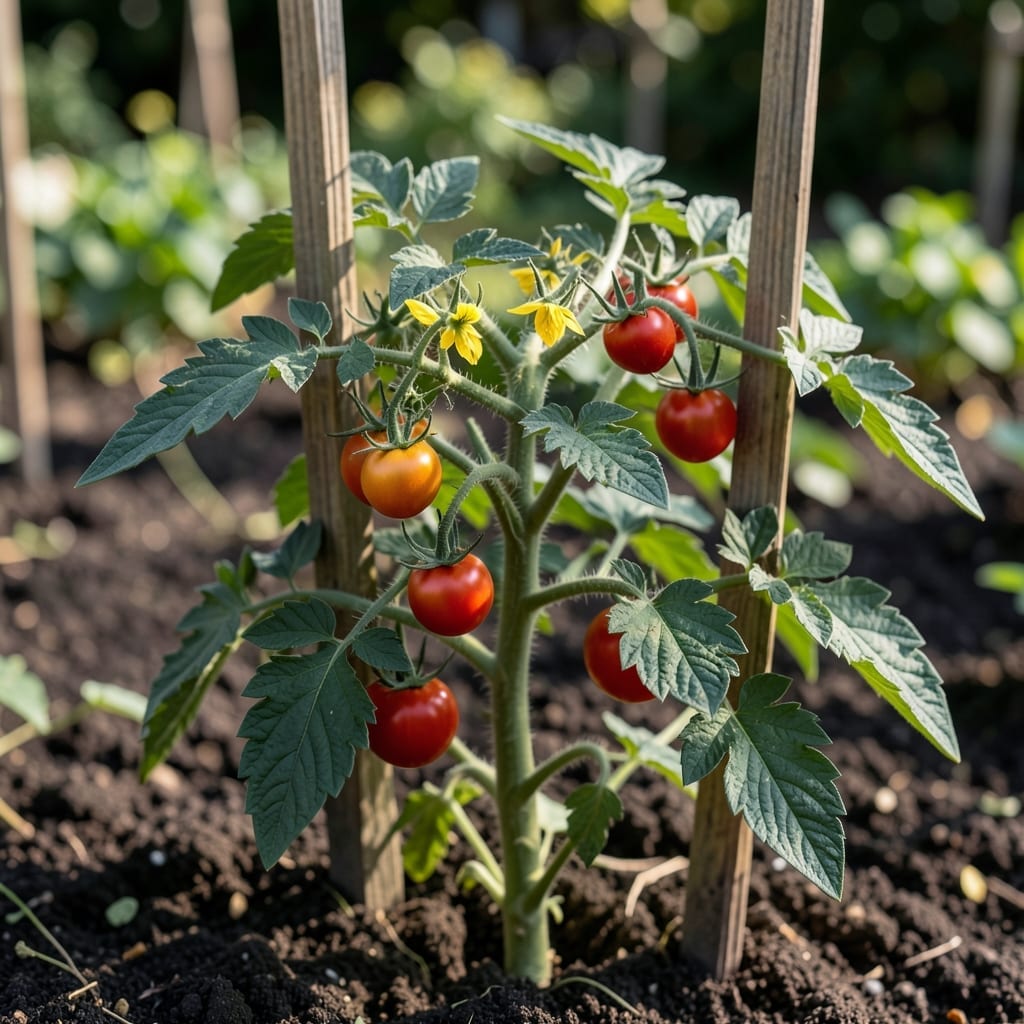
Tomatoes prefer slightly acidic soil with a pH between 6.0 and 6.8, which balances nutrient availability and supports healthy growth without being overly acidic.
I’ve found that this range lets tomatoes absorb essential nutrients like phosphorus and potassium most effectively. 🔥 Going below 6.0 pH can lock out calcium and magnesium, while anything above 7.0 may cause iron deficiency. This sweet spot mimics their natural growing conditions, giving you the best chance for robust plants and bountiful harvests.
💡 In This Article
The science lies in how pH affects nutrient solubility. At 6.0-6.8 pH, phosphorus, potassium, and trace minerals become most accessible to tomato roots. These elements dissolve better in mildly acidic conditions, allowing roots to absorb them efficiently through their cell membranes. 🔥
Below 6.0 pH, aluminum and manganese toxicity can occur, stunting root growth. Above 7.0 pH, iron becomes insoluble, leading to yellowing leaves (chlorosis). The sweet spot mimics natural soil conditions where tomatoes evolved, optimizing their metabolic processes for maximum growth and fruit production.
Root development also benefits from this range. In slightly acidic soil, beneficial microbes like mycorrhizal fungi thrive, forming symbiotic relationships that extend root reach. These microbes help break down organic matter into nutrients tomatoes can use, creating a self-sustaining ecosystem around the roots. ✨
Extreme acidity (below 5.5 pH) can dissolve essential calcium before roots absorb it, causing blossom end rot. Meanwhile, overly alkaline soils (above 7.5 pH) may lock out zinc and copper. This is why commercial tomato fertilizers often include micronutrients in chelated forms that remain available across a wider pH range.
What most gardeners don’t realize is that soil pH also affects microbial activity. At 6.0-6.8, nitrogen-fixing bacteria and earthworms are most active, constantly improving soil structure and nutrient cycling. This creates the perfect environment for tomatoes to develop strong root systems and produce abundant fruit. 🌟
Below 5.5 pH, aluminum toxicity can stunt root growth and dissolve calcium before absorption. This often leads to blossom end rot and poor fruit development.
Vinegar is too weak and short-lived for meaningful pH adjustment. Instead, use elemental sulfur at 1-2 pounds per 100 square feet for gradual, lasting results.
Test once in fall and again in early spring before planting. pH changes slowly, so annual testing prevents sudden imbalances that could harm your plants.
No, they still thrive at 6.0-6.8 pH. However, potting mix often starts neutral, so test and amend with lime or sulfur as needed before planting.