
Beautiful Plants For Your Interior
Beautiful Plants For Your Interior
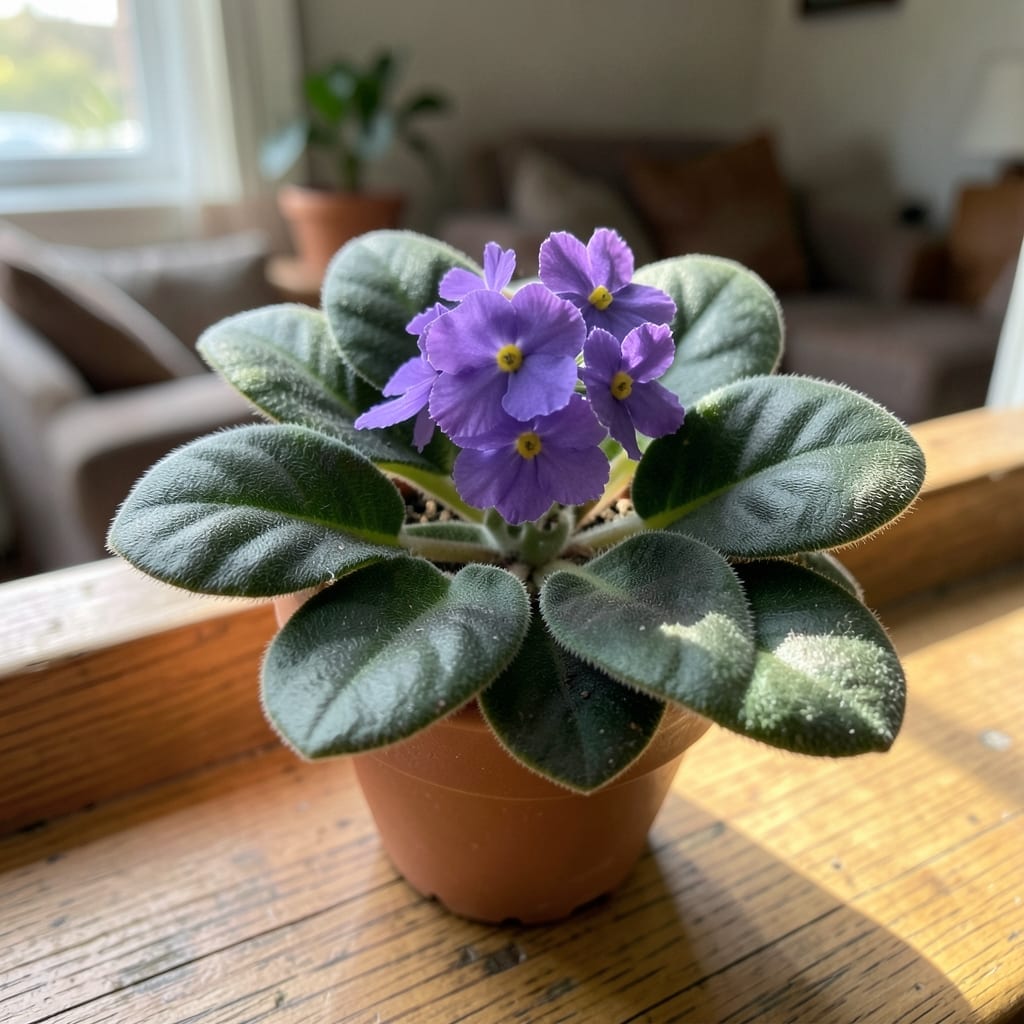
These plants thrive indoors because they’ve evolved to grow under forest canopies, where bright, indirect light is the norm. African violets, for example, have velvety leaves that capture light efficiently in low-intensity environments. Their natural habitat in East Africa’s shaded, humid regions means they’re perfectly suited to typical home conditions. 🌿
Peace lilies take it further with their ability to tolerate lower light levels—down to 50-200 foot-candles—while still producing their signature white spathe blooms. Their glossy leaves are adapted to maximize light absorption, and they’re one of the few plants that can bloom in fluorescent lighting alone. This makes them ideal for offices or north-facing windows.
Begonias bring a different advantage: their fibrous root systems are shallow, allowing them to absorb moisture quickly from small containers. This adaptability means they flourish in the confined root space of pots, unlike deep-rooted outdoor plants. Plus, their waxy leaves reduce water loss, helping them handle the dry air of heated homes. ✨
Their blooming cycles are also synchronized with indoor conditions. African violets, for instance, can flower continuously with 12-14 hours of light per day—easily achievable with a simple grow light. Peace lilies bloom in response to maturity rather than season, so they’ll produce flowers year-round if given consistent care.
What ties them together is their moderate humidity preference—40-60%—which matches most homes without extra effort. Unlike tropical orchids that demand 70%+ humidity, these plants are forgiving, making them accessible even to beginners. Their resilience to occasional neglect is the cherry on top. 💛
Most thrive with 12-14 hours of bright, indirect light. African violets can bloom continuously under grow lights, while peace lilies tolerate lower light down to 50-200 foot-candles.
Aim for 40-60% humidity, matching most homes. Unlike orchids needing 70%+, these are forgiving. A pebble tray with water can help in dry climates.
Use a balanced 10-10-10 fertilizer at half strength every 4-6 weeks during growth. Always fertilize after watering to prevent root burn.
A well-draining mix is essential. Combine 2 parts peat moss, 1 part perlite, and 1 part vermiculite for best results. Regular soil may compact and cause root rot.
Overwatering is the most common cause. Check the top 1 inch of soil before watering. Yellow leaves can also signal low light or nutrient deficiency.