
Beautiful Plants For Your Interior
Beautiful Plants For Your Interior
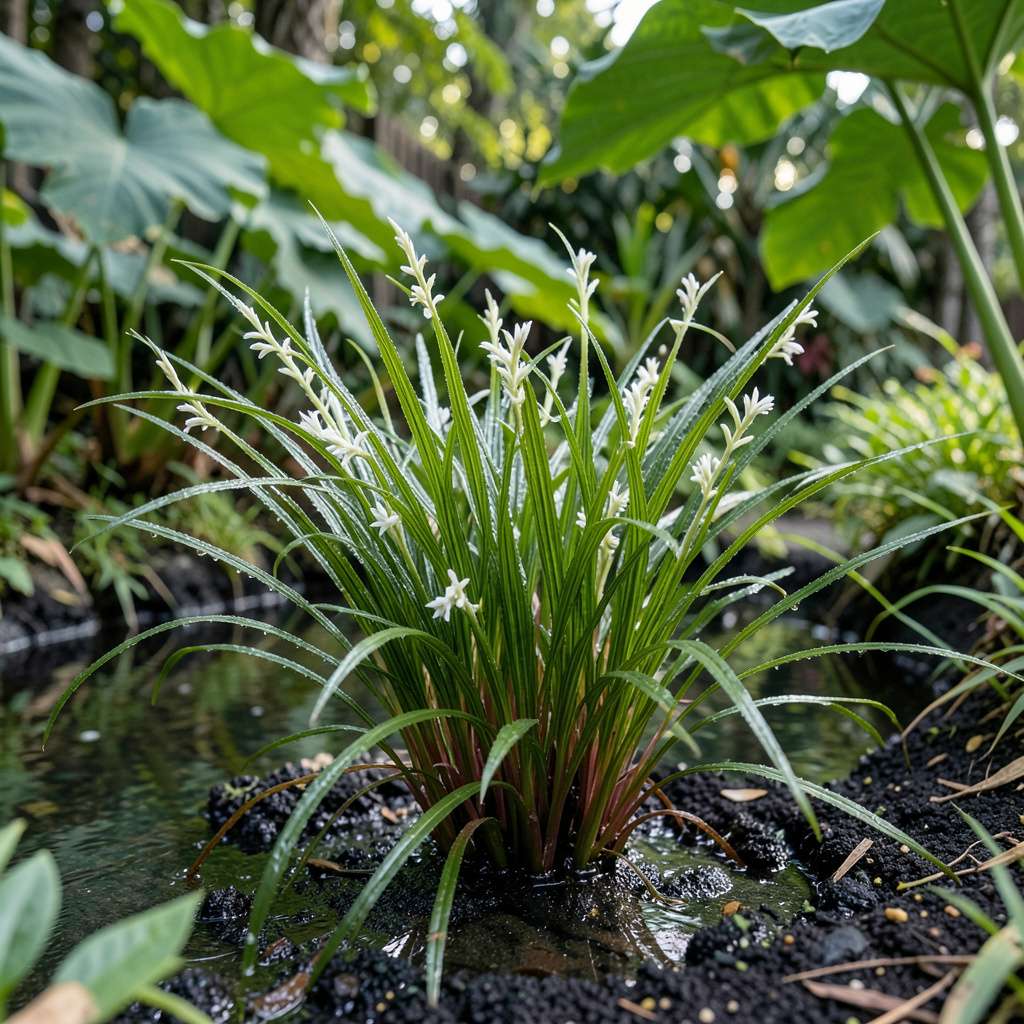
LED grow lights should typically be 12-30 inches from plants, adjusting based on growth stage: 24-30 inches for seedlings, 18-24 inches for vegetative growth, and 12-18 inches during flowering. Always follow manufacturer guidelines for specific wattage and plant needs.
Getting this right makes all the difference between thriving plants and disappointing results. ✨ I’ve seen firsthand how seedlings can get “leggy” when lights are too far away, stretching desperately for more illumination. On the flip side, placing lights too close during early stages often causes bleaching or heat stress. The key lies in understanding that plants’ light needs evolve dramatically as they grow—what works for delicate sprouts would completely overwhelm mature flowering plants.
What many new growers don’t realize is that wattage plays a huge role in determining safe distances. A 600W LED needs much more space than a 200W model to deliver the same light intensity. That’s why I always recommend starting at the higher end of the distance range and gradually lowering lights as plants develop thicker leaves and stronger stems.
💡 In This Article
Plants’ light needs change dramatically as they develop, and this is rooted in their biological processes. During the seedling stage, delicate leaves contain minimal chlorophyll and thin cell walls that can’t handle intense light. The PAR (Photosynthetically Active Radiation) requirements are lower—around 200-400 μmol/m²/s—because their small surface area can’t process more.
This is why we keep lights 24-30 inches away, mimicking the dappled sunlight they’d receive under a plant canopy in nature. 🌱
As plants enter vegetative growth, their leaves expand and chlorophyll production ramps up. The increased surface area means they can absorb more light energy—typically 400-600 μmol/m²/s. This is when we lower lights to 18-24 inches, providing the intensity needed for rapid stem and leaf development.
The light spectrum also shifts importance here: blue wavelengths (400-500nm) become crucial for compact growth and strong root systems, while too much red light at this stage can cause premature flowering.
The flowering stage demands the most intense light exposure—600-900 μmol/m²/s—because plants are directing energy toward fruit and flower production. This is when we position lights closest, at 12-18 inches, to maximize PAR absorption. The red spectrum (600-700nm) becomes dominant now, triggering phytochrome responses that stimulate flowering hormones.
I’ve noticed that tomato plants in particular respond dramatically to this increased red light exposure during fruit set.
What’s fascinating is how plants physically adapt to light intensity. When lights are too far during vegetative growth, plants stretch (etiolate) as they search for more light—this creates those weak, spindly stems we all want to avoid.
Conversely, too-close placement during early stages can cause photobleaching, where chlorophyll breaks down faster than it’s produced, resulting in yellow or white patches on leaves. The sweet spot changes weekly as plants grow!
Temperature plays a sneaky role here too. LED lights do emit some heat, and closer placement can raise canopy temperatures by 5-10°F. Most plants thrive with leaf temperatures around 75-85°F, but seedlings prefer it cooler—70-75°F—which is another reason we start with greater distance.
I always use an infrared thermometer to check leaf surface temps when adjusting light height, especially with heat-sensitive plants like lettuce or basil. ✨
The light spectrum changes aren’t just about intensity—they’re about signaling. Blue light inhibits stem elongation while promoting leaf growth, which is perfect for vegetative stages. Red light triggers flowering hormones and fruit production.
Many modern LED grow lights let you adjust these ratios, which means you might need to tweak distances slightly based on your specific light’s spectrum output. I’ve found that plants under full-spectrum LEDs often tolerate slightly closer placement than those under basic red/blue models.
Here’s a pro tip I learned from commercial growers: the “hand test” works surprisingly well for quick checks. Hold your hand at plant level—if the light feels uncomfortably warm after 30 seconds, it’s too close. If you can barely feel warmth, it might be too far.
This simple trick has saved me from many potential light burn incidents, especially when working with new plant varieties or light setups. 💡
Remember that these distance guidelines assume you’re using quality LED grow lights with proper heat dissipation. Cheaper models often run hotter, requiring greater distances. I once made the mistake of using budget LEDs at the recommended distance, only to find my basil leaves developing crispy edges from heat stress.
That’s when I invested in a PAR meter to measure actual light intensity rather than just relying on distance guidelines.
The final piece of the puzzle is observing your plants daily. Leaves pointing upward and compact growth indicate ideal lighting. When leaves start “praying” (folding upward dramatically) or developing purple stems, that’s often a sign of light stress. On the other hand, excessive stretching between nodes or pale green leaves suggest they need more intensity.
This dynamic adjustment is what separates good growers from great ones—it’s not just about following rules, but responding to what your plants are telling you. 🌿
Seedlings exposed to lights that are too close often develop bleached spots or yellowing leaves. This occurs because their delicate tissues can’t handle intense light, causing chlorophyll breakdown. Start with 24-30 inches and watch for upward-curling leaves as a warning sign.
Check and adjust weekly during vegetative growth, lowering lights gradually as plants develop thicker leaves. For flowering plants, make smaller adjustments every 3-5 days to maintain optimal intensity. The “hand test” (feeling heat at plant level) helps determine when to move lights.
Different plants have varying light needs—leafy greens thrive at 18-24 inches, while fruiting plants like tomatoes need 12-15 inches during flowering. Always research your specific plant’s light requirements and adjust accordingly for best results.
A PPFD meter ($100-200) gives precise light intensity readings at canopy level. For budget options, use a lux meter app on your phone or the “shadow test”—soft shadows indicate good placement, while sharp shadows mean lights are too close.
In warmer rooms (>80°F), increase distance by 2-3 inches to prevent heat stress. Cooler environments allow slightly closer placement since LEDs won’t raise ambient temperatures as much. Always check leaf surface temps with an infrared thermometer for accuracy.
