
Beautiful Plants For Your Interior
Beautiful Plants For Your Interior
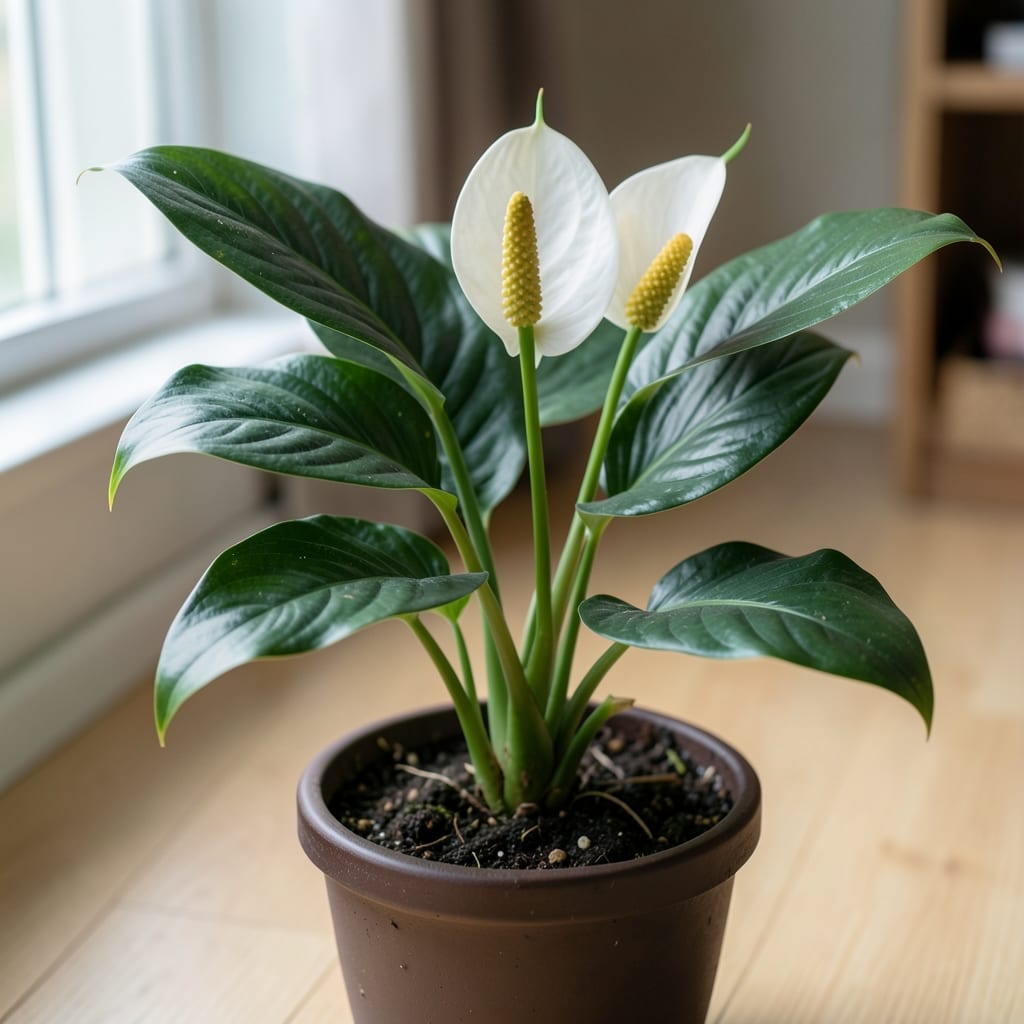
Peace lilies thrive as indoor plants in most climates but can grow outdoors year-round only in warm, humid USDA zones 10-12. They prefer shade and consistent moisture in either setting.
I’ve found these tropical natives do best inside because they can’t handle frost or dry air. USDA zones 10-12 offer the consistent warmth and humidity they love outdoors, but elsewhere they’ll need to come inside when temperatures drop below 50°F. 🌟
What makes them such great houseplants is their ability to tolerate low light and their air-purifying qualities. Still, they’ll reward you with glossy leaves and occasional white blooms if you keep the soil evenly moist.
💡 In This Article
These tropical natives originate from Central and South American rainforests, where they grow under dense canopies. This explains their preference for bright, indirect light and ability to survive in low-light indoor spaces. Their large, dark green leaves are adapted to capture maximum light in shaded environments, making them perfect for north-facing windows or office settings.
🌟
Their air-purifying abilities come from microscopic stomata on their leaves that absorb airborne toxins like benzene and formaldehyde. NASA’s Clean Air Study found peace lilies can remove up to 60% of volatile organic compounds from the air within 24 hours.
This natural filtration system works best in the stable temperatures and humidity levels typical of most homes.
Indoor environments protect them from their biggest threats: cold drafts and dry air. Peace lilies suffer visible damage when exposed to temperatures below 50°F, with leaves turning yellow and wilting. Most homes maintain temperatures between 65-80°F, which perfectly matches their ideal growing range.
The controlled humidity indoors also prevents the brown leaf tips that often appear in drier outdoor conditions. ✨
What many don’t realize is how their glossy leaves indicate health. In proper indoor conditions, these leaves develop a natural sheen from a waxy cuticle that helps retain moisture. This adaptation from their rainforest origins makes them particularly well-suited to the more consistent moisture levels found in potted indoor environments.
Their growth pattern further demonstrates their indoor suitability. Unlike many plants that grow tall and leggy when searching for light, peace lilies maintain a compact, bushy form in low-light indoor settings. This makes them ideal for tabletops, desks, and other small spaces where their maximum height of 1-3 feet won’t overwhelm the area. 💫
They thrive in bright, indirect light but tolerate low light. Avoid direct sun, which can scorch leaves. A north-facing window or 6-8 feet from an east/west window is ideal.
No, they’ll die in frost. Zone 9 winters drop below their minimum of 50°F. Dig up and pot them before cold snaps, or treat as annuals.
Water when the top 1 inch of soil feels dry, typically every 7-10 days. Drooping leaves signal thirst, but they bounce back quickly after watering.
Brown tips usually mean low humidity or fluoride in tap water. Use filtered water and mist leaves 2-3 times weekly. Trim damaged tips with clean scissors.