
Beautiful Plants For Your Interior
Beautiful Plants For Your Interior
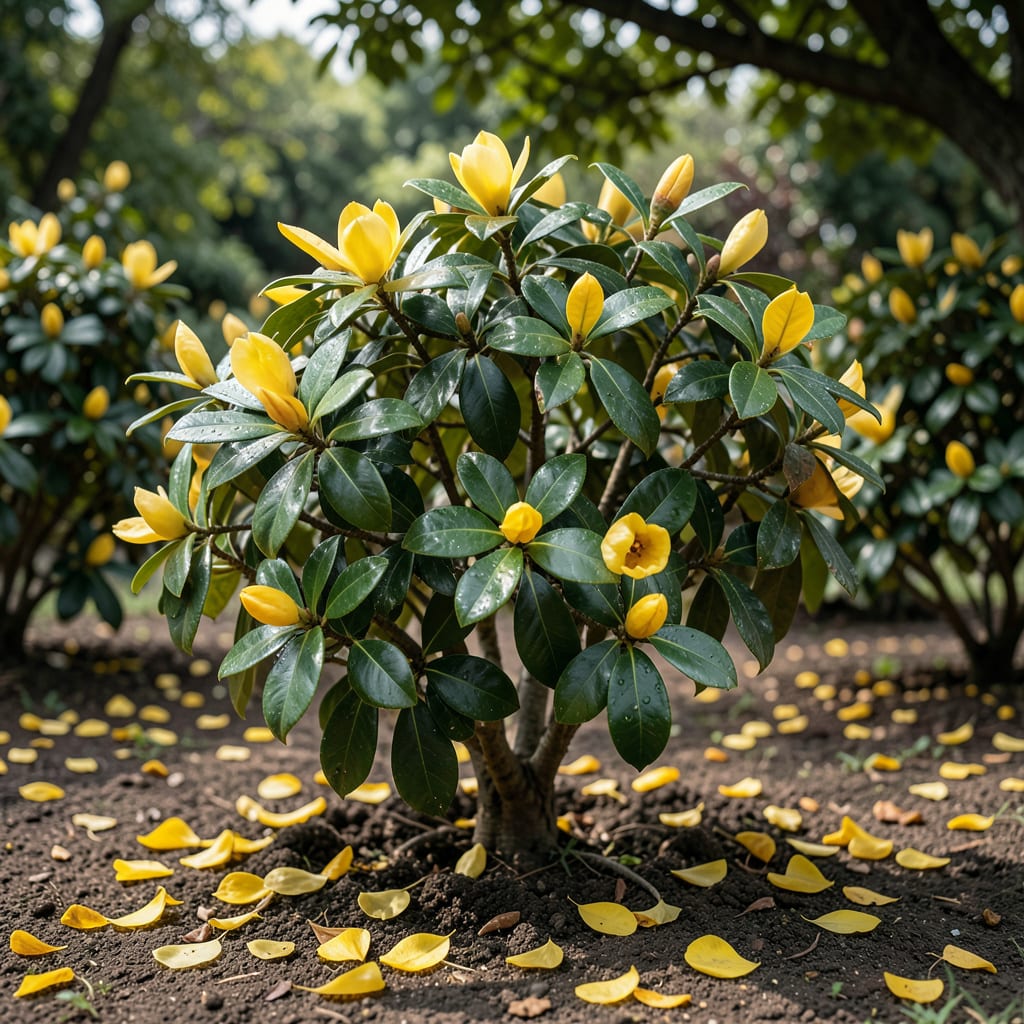
Yellow leaves on camellias hit different when you’ve babied those plants for years. I’ve seen it ruin a perfect spring display overnight—leaves turning pale, then crisp, while the rest of the shrub looks fine.
Usually, it’s the soil talking. Camellias hate wet feet and demand acidic conditions. Get the pH wrong or drown the roots, and yellow leaves are your warning light.
Fixing it starts with a soil test and better drainage. Adjust the pH with sulfur, ease up on watering, and check for pests hitching a ride on stressed plants.
Catch it early, and your camellias bounce back with glossy green leaves by next season. Ignore it, and you’ll be replacing plants instead of admiring them.
Yellow leaves on camellias often signal underlying issues that disrupt their health. Below are the most frequent culprits, explained with actionable insights.
Camellias thrive in acidic soil (pH 5.5–6.5). A lack of iron or magnesium—common in alkaline soils—leads to interveinal chlorosis, where leaves turn yellow between veins. Nitrogen deficiency causes uniform yellowing, starting with older leaves. Test soil and amend with chelated iron or Epsom salts for quick fixes.
Soggy roots suffocate the plant, blocking nutrient uptake. Yellowing often pairs with wilting or leaf drop. Ensure pots have drainage holes and use a well-draining, acidic mix (e.g., pine bark fines). Water only when the top inch of soil feels dry.
Sudden temperature swings, frost, or excessive heat stress camellias, triggering leaf yellowing. Shield plants from cold drafts and provide afternoon shade in hot climates. Mulch with pine needles to regulate soil temperature.
Spider mites, scale, or root rot (from Phytophthora) can cause yellowing. Inspect undersides of leaves for pests and treat with neem oil. For fungal issues, improve air circulation and avoid overhead watering.
Addressing yellow leaves on camellia plants starts with identifying the root cause. Below are practical solutions tailored to common issues, along with prevention tips to keep your plant thriving.
If the soil lacks essential nutrients, your camellia may develop yellow leaves. Here’s how to fix it:
💡 Prevention Tip: Test your soil annually and amend it with organic matter like compost to maintain nutrient balance.
Camellias thrive in acidic soil. If the pH is too high (alkaline), the plant can’t absorb nutrients properly.
💡 Prevention Tip: Regularly monitor soil pH with a home test kit and adjust as needed to keep it in the 5.0–6.5 range.
Overwatering or underwatering can stress the plant, leading to yellowing leaves.
💡 Prevention Tip: Use a moisture meter to gauge soil hydration and avoid guessing.
Use a home soil test kit from any garden center. Collect samples from 4-6 inches deep around the plant. Follow the kit instructions for accurate results.
Yes! Too much fertilizer can burn roots and create nutrient imbalances. Always follow package rates and fertilize only during active growth periods in spring and early summer.
Pine bark or pine needles are ideal. They slowly acidify soil as they break down while retaining moisture. Apply a 2-3 inch layer, keeping it away from the trunk.
With chelated iron applications, you may see improvement in 1-2 weeks. For severe cases, it can take up to 4 weeks. Combine with pH adjustment for lasting results.
