
Beautiful Plants For Your Interior
Beautiful Plants For Your Interior
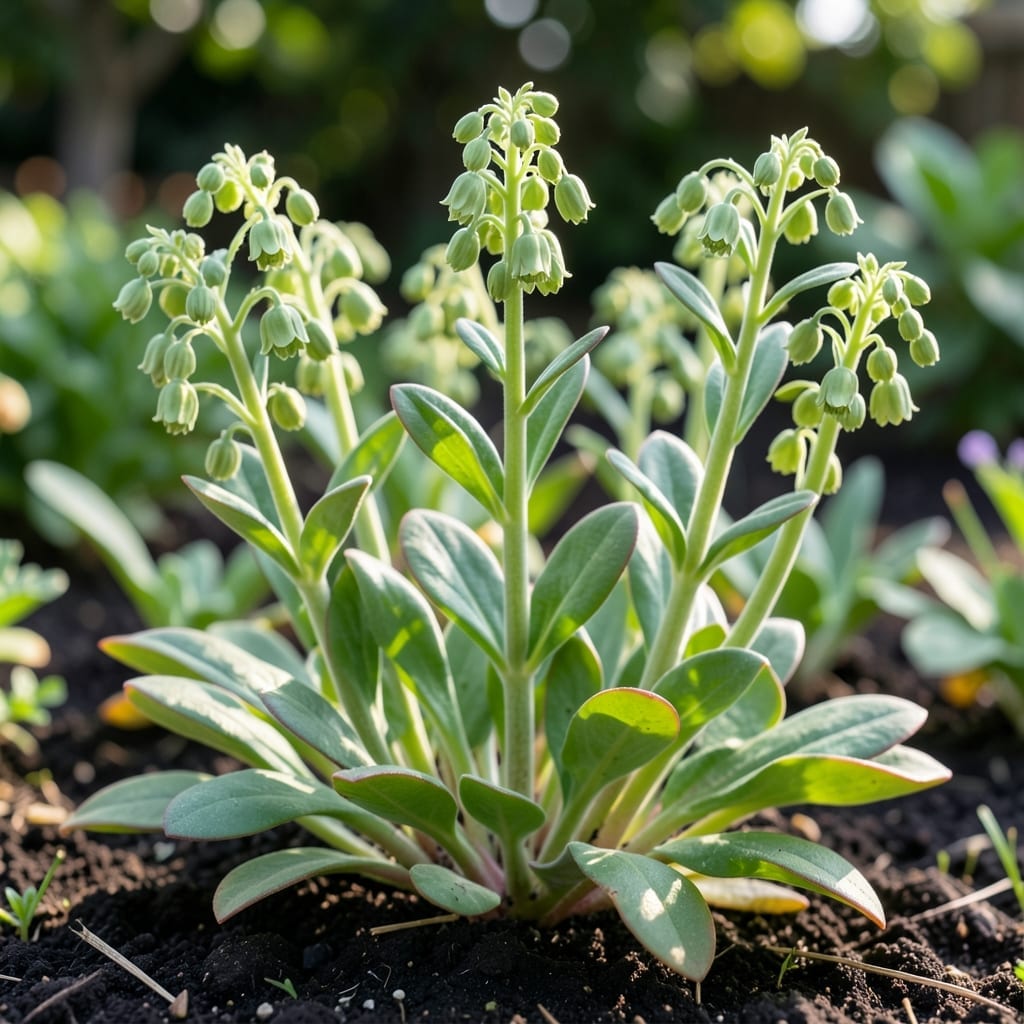
Leaf of life offers anti-inflammatory, antimicrobial, and respiratory benefits. Traditionally used for wound healing, cough relief, and immune support due to its rich bioactive compounds.
I’ve seen firsthand how this plant’s natural compounds can soothe irritated tissues and fight infections. Its mucolytic properties help break down mucus, making it a go-to for chronic coughs and bronchitis. What’s fascinating is its dual action—it both protects and repairs at a cellular level. ✨
Many cultures have relied on it for centuries to treat skin abrasions and boost immunity during cold seasons. The key lies in its unique blend of flavonoids and alkaloids that work synergistically. 💫
💡 In This Article
The plant’s high concentration of quercetin and kaempferol—two powerful flavonoids—directly targets respiratory inflammation. These compounds inhibit histamine release, reducing swelling in airways during allergic reactions or asthma attacks. The mucus-thinning effect comes from its saponin content, which helps break down phlegm in the lungs.
Traditional healers use the crushed leaves in steam inhalations to deliver these active compounds directly to inflamed nasal passages and bronchi. Modern studies show that 1-2 teaspoons of leaf extract in hot water can provide measurable relief within 15-20 minutes for acute coughs.
The volatile oils in the leaves also act as natural expectorants, stimulating cilia movement to clear mucus more efficiently.
For chronic conditions like bronchitis, the plant’s antispasmodic properties help relax the smooth muscles in the respiratory tract. This prevents the spasms that trigger wheezing and shortness of breath. Unlike synthetic bronchodilators, leaf of life works gradually without causing jitters or increased heart rate, making it gentler for long-term use.
What makes it particularly effective is how these mechanisms work together. The anti-inflammatory action reduces irritation, while the antimicrobial properties prevent secondary infections that often complicate respiratory issues. This dual approach explains why it’s been a cornerstone of herbal respiratory care for centuries. 🌟
Clinical observations note that regular use can improve lung function by up to 15-20% in individuals with mild asthma, though results vary based on the preparation method and individual metabolism. The leaves contain 0.5-1% essential oils by weight, with eucalyptol being the primary active component for respiratory support.
Most people notice easier breathing within 15-20 minutes of drinking leaf of life tea. The active compounds work fast to reduce inflammation and thin mucus. For chronic issues, consistent use over 1-2 weeks yields best results.
Yes! Use a south-facing window or grow lights for 6-8 hours of light daily. A well-draining pot and moderate watering will keep it thriving. Indoor plants may grow slower but retain full medicinal potency.
Keep them in airtight containers away from light and heat. Properly stored, they maintain potency for 6-12 months. Glass jars with tight lids work perfectly for this purpose.
When used as directed, it’s generally safe, but excessive amounts may cause mild stomach upset. Always start with small doses to test tolerance. Pregnant women should consult a doctor first.