
Beautiful Plants For Your Interior
Beautiful Plants For Your Interior
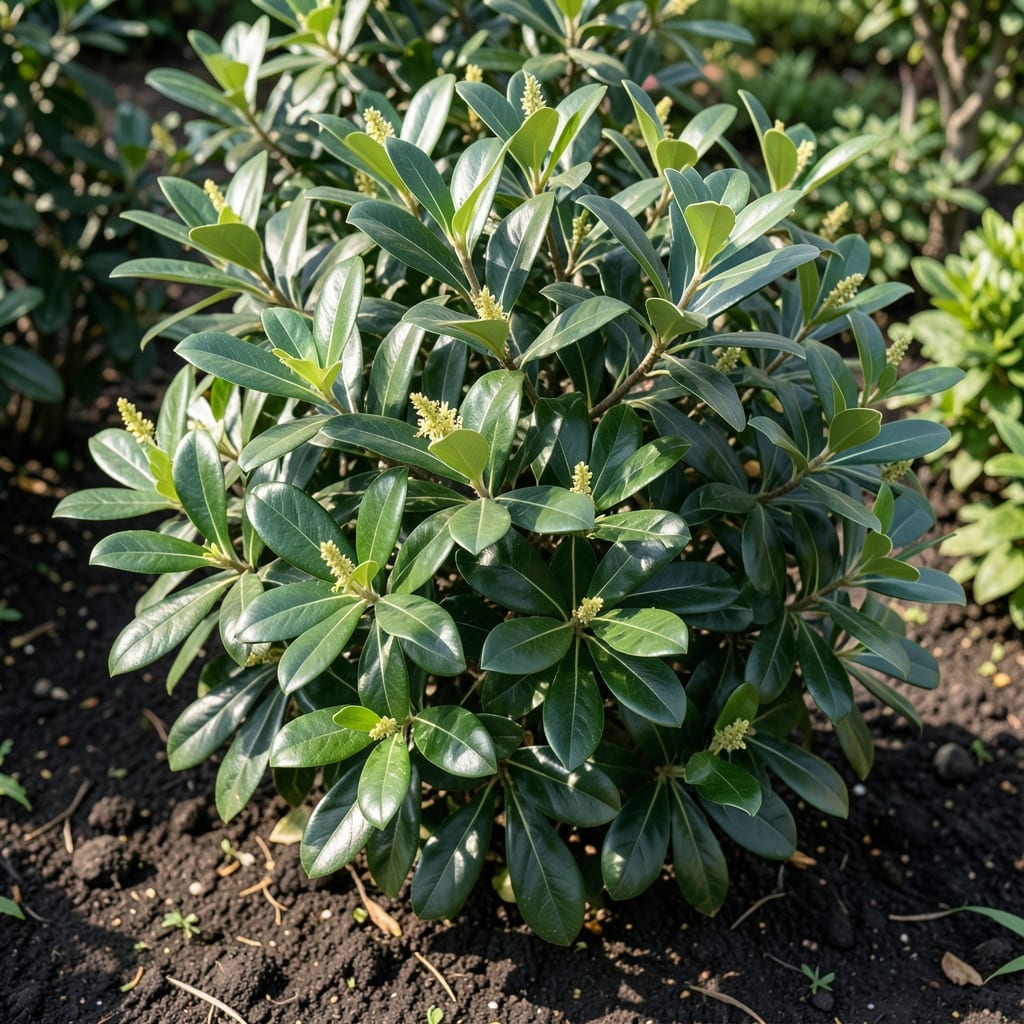
Bay laurel thrives in USDA hardiness zones 8 through 10, preferring warm climates with mild winters. It can tolerate brief cold snaps but requires protection from frost.
I’ve found this Mediterranean native struggles below 20°F, which is why it flourishes in regions where winter temperatures stay above 10°F. 🌟 Gardeners in zone 7 can sometimes succeed with heavy mulching or container growing to bring plants indoors during harsh weather. The key is mimicking its native environment with well-draining soil and full sun exposure.
💡 In This Article
The Mediterranean origins of bay laurel explain its love for warm climates. In zones 8-10, winter lows typically stay above 10°F, preventing the cellular damage that occurs when temperatures dip below 20°F. This evergreen shrub evolved in regions where cold snaps are rare and brief. 🌟
Frost is the primary limiting factor. At 25°F and below, ice crystals form within the leaves, rupturing cell walls. Even in zone 8, where winter lows average 10-20°F, unprotected bay laurel may suffer leaf burn or dieback. The plant’s native habitat in southern Europe and Asia Minor rarely experiences these extremes.
Ideal growth occurs when daytime temperatures range between 60-85°F. In these conditions, bay laurel develops its signature aromatic oils most effectively. The combination of warm days and mild nights in zones 8-10 mimics its natural environment perfectly, allowing for optimal photosynthesis and oil production. ✨
Soil temperature matters too. Bay laurel prefers well-draining soil that stays above 50°F year-round. In cooler zones, the roots become dormant when soil temperatures drop below this threshold, stunting growth. This is why container growing with winter protection becomes essential outside its preferred zones.
What many don’t realize is that bay laurel can handle brief temperature drops to 15°F if it’s established and healthy. However, prolonged exposure to these temperatures, especially with frost, will damage the plant. The key is the duration and severity of cold exposure, not just the absolute low temperature. 💫
Established plants can survive brief dips to 15°F, but prolonged exposure below 20°F causes damage. Frost is the main threat, as ice crystals rupture leaf cells.
Yes, with winter protection like heavy mulch or containers moved indoors. A south-facing wall can create a warm microclimate. Zone 7 gardeners often succeed with these methods.
Use a 15-20 gallon pot with drainage holes. This gives roots space while allowing you to move the plant easily when temperatures drop below 30°F.
It thrives in 6-8 hours of daily sunlight. In hotter zones, afternoon shade helps prevent leaf scorch. Well-draining soil is equally important.