
Beautiful Plants For Your Interior
Beautiful Plants For Your Interior
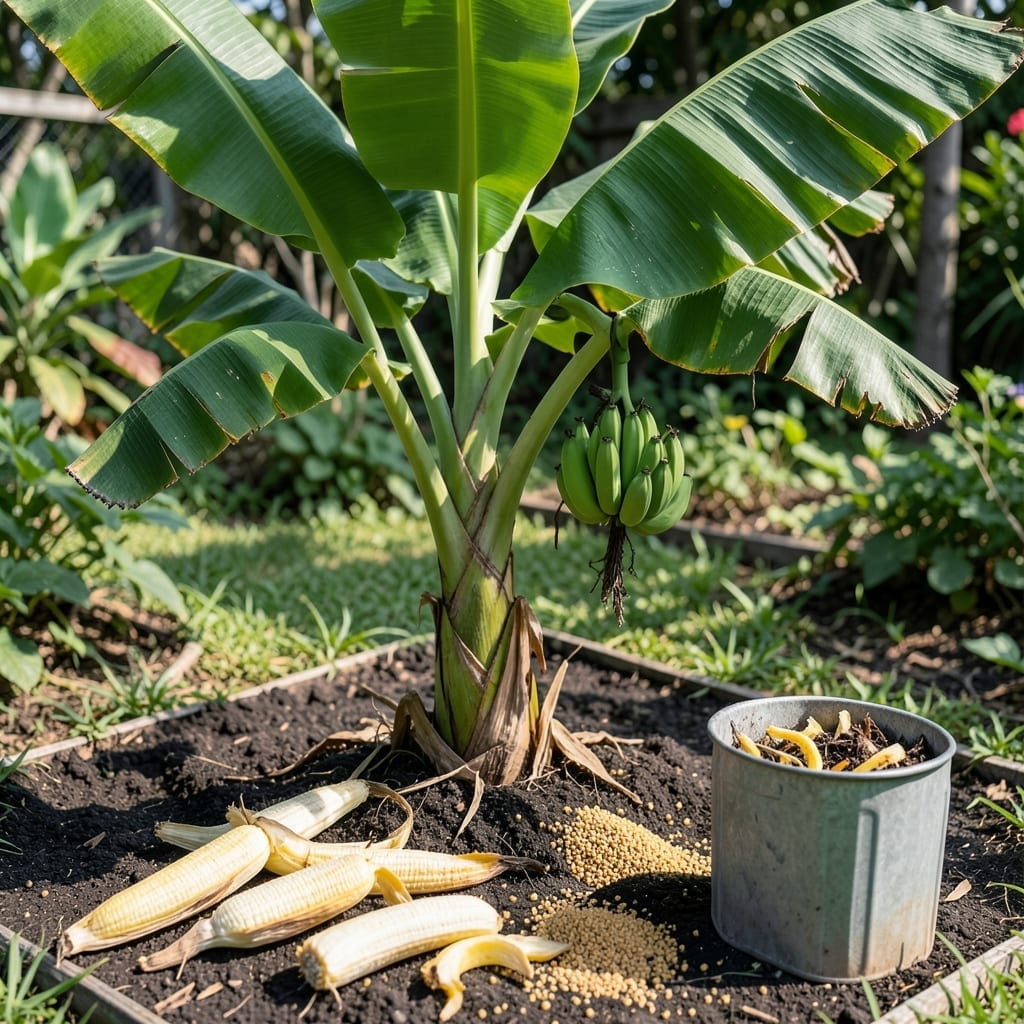
Banana peels are rich in potassium, magnesium, calcium, and vitamins B6 and B12, plus fiber and antioxidants. They also contain phosphorus and small amounts of protein.
I’ve found that the peel actually packs more potassium than the fruit inside, which makes it a powerhouse for heart and muscle function. The antioxidants help fight inflammation, while the fiber supports digestion when consumed properly. 🔥
Many cultures use dried peels in teas or broths to harness these nutrients directly. ✨
💡 In This Article
What most people don’t realize is that banana peels contain 42% more potassium than the fruit itself, with concentrations reaching 422mg per 100g compared to the flesh’s 358mg. This mineral is crucial for regulating blood pressure and muscle contractions.
The peels also pack 10-15% of your daily magnesium needs, which supports nerve function and energy production. 🌟
The fiber content in peels is particularly impressive—about 50% more than in the edible portion. This includes both soluble and insoluble types, with soluble fiber like pectin making up about 2-3g per 100g. The peels also contain lutein and carotenoids, antioxidants that protect against cellular damage and support eye health. ✨
For vitamins, banana peels offer B6 (0.4mg/100g) and B12 (0.1μg/100g), which aid metabolism and red blood cell formation. They also provide calcium (88mg/100g) and phosphorus (36mg/100g), essential for bone health. The small protein content (1.1g/100g) is higher than in the fruit, adding to its nutritional value. 💫
Compared to the fruit, peels have a tougher, more fibrous texture due to their higher lignin content. This compound, also found in wood, gives the peel its structural rigidity. When dried and ground, the peel’s nutrients become more bioavailable, making it easier for your body to absorb these compounds. 🔥
The peel’s nutrient density varies by ripeness. Green peels contain more resistant starch, which acts like fiber, while yellow peels have higher antioxidant levels. Overripe, brown peels develop more polyphenols, compounds that offer additional anti-inflammatory benefits. 💛
It’s not recommended due to the tough texture and high fiber content, which can be hard to digest. Cooking or drying them first makes the nutrients more accessible and improves the texture.
The peel contains 42% more potassium than the fruit itself, with about 422mg per 100g compared to the flesh’s 358mg. This makes it especially valuable for heart and muscle health.
They provide a slow-release source of potassium, phosphorus, and calcium. Bury chopped peels 2-3 inches deep near roots to feed plants over 4-6 weeks.
Green peels contain more resistant starch, while yellow ones have higher antioxidant levels. Overripe brown peels develop more polyphenols, which offer anti-inflammatory benefits.