
Beautiful Plants For Your Interior
Beautiful Plants For Your Interior
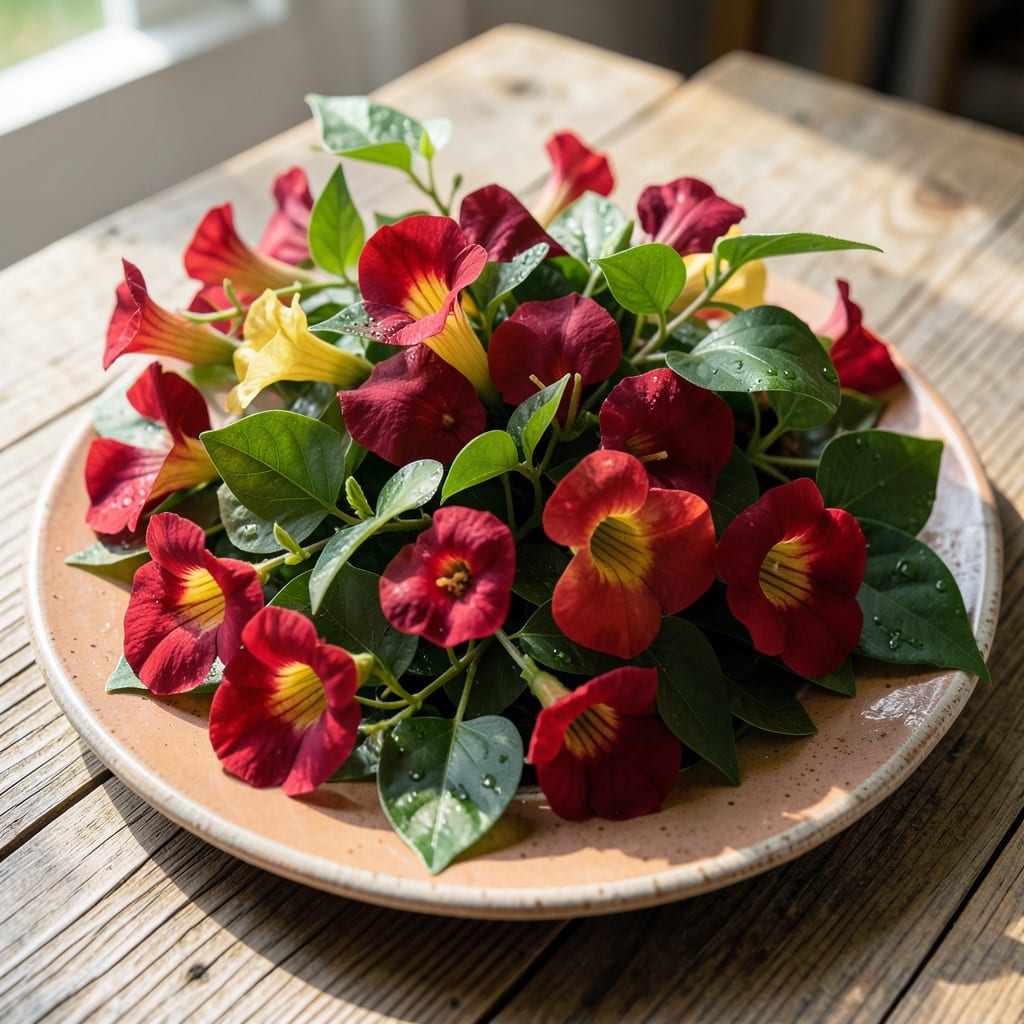
This vine changed my fence from boring to breathtaking in one season. The red and yellow blooms attract hummingbirds by the dozen, and the growth rate is shocking—10-20 feet in a single year if given support.
It thrives in full sun with well-draining soil and minimal fuss. I water deeply once a week, and it rewards me with continuous flowers from summer through fall. Prune aggressively in early spring to control its enthusiastic spread.
📚 In This Guide
Here’s the method I rely on for establishing this vibrant climber with confidence in any garden.
Choose a site with full sun (at least 6-8 hours daily) and well-draining soil. This vigorous vine tolerates partial shade but produces fewer blooms. I always test drainage first by digging a 12-inch deep hole and filling it with water—if it empties within 2-3 hours, you’re good to go.
Provide a sturdy support structure like a trellis, arbor, or fence at least 6-8 feet tall. The mature vine can reach 10-15 feet in a single season, and its woody stems need substantial anchoring. Avoid planting near wooden structures unless you’re prepared for maintenance—the vine’s aerial roots can damage untreated wood over time.
Amend the planting area with 2-3 inches of compost worked into the top 12 inches of soil. This improves both drainage and fertility, which are crucial for the vine’s rapid growth. I’ve found that adding a handful of bone meal to the planting hole encourages stronger root establishment.
Space plants 3-5 feet apart to allow for air circulation and future growth. Dig a hole twice as wide as the root ball but no deeper. Place the vine in the hole, backfill with native soil, and water thoroughly to settle the soil around the roots. The crown should sit slightly above ground level to prevent rot.
Water deeply 2-3 times weekly during the first growing season, providing about 1-1.5 gallons per plant each time. The goal is to keep the soil consistently moist but never soggy. I check soil moisture by inserting my finger 2-3 inches deep—when it feels dry at that depth, it’s time to water.
Once established (after 6-8 weeks), reduce watering to once weekly unless experiencing extreme heat. Mature vines are quite drought-tolerant, but consistent moisture during the first year promotes the most vigorous growth and abundant blooms. Mulch with 2-3 inches of organic material to retain moisture and suppress weeds.
Begin training vines onto their support structure as soon as they reach 12-18 inches in length. Gently tie the main stems to the support using soft plant ties or strips of cloth. The vine will eventually attach itself via aerial rootlets, but early guidance ensures proper direction.
Prune in late winter or early spring before new growth begins. Remove any dead, damaged, or crossing branches first. Then thin out about one-third of the oldest stems to encourage new growth and better air circulation. This also helps control the vine’s size and shape while promoting more abundant flowering.
After pruning, apply a balanced fertilizer to support the upcoming growth season.
These small adjustments make a surprising difference in how your vine thrives.
Sunlight Strategy: While this vine tolerates partial shade, the 6-8 hours of full sun specified in Step 1 is non-negotiable for maximum blooms. I’ve seen the difference firsthand—vines in full sun produce twice as many flowers as those in partial shade. If your space gets less than 6 hours, prioritize morning sun over afternoon.
Drainage Test Refined: The 2-3 hour drainage test in Step 1 is your best insurance against root rot. If water lingers beyond 3 hours, amend the soil with additional compost or consider raised beds. Between us, I’ve lost a vine to soggy soil once—never again.
Support System: That 6-8 feet tall support mentioned in Step 1 isn’t just a suggestion. A mature vine can hit 10-15 feet in a season, and flimsy structures will buckle under its weight. Use heavy-duty materials like metal or treated wood, and anchor deeply—those woody stems are stronger than they look.
Watering Wisdom: The 2-3 times weekly schedule in Step 3 works perfectly if you’re watering deeply. Shallow watering encourages weak roots. I check moisture at that 2-3 inch depth religiously—dry at that level means it’s time, regardless of the calendar.
This vigorous climber can grow 10–20 feet in a single season under ideal conditions! With proper support and sunlight, expect rapid growth, especially in warm climates.
Plant in early spring or fall when temperatures are mild. This gives roots time to establish before extreme heat or cold. Avoid summer planting in hot regions.
Consider less aggressive options like clematis, honeysuckle, or crossvine. These offer similar beauty with easier maintenance and controlled spread.
Lack of blooms often means insufficient sunlight or excessive fertilizer (promoting foliage over flowers). Ensure 6+ hours of sun and avoid high-nitrogen feeds.
Yes, all parts of the plant are toxic if ingested, causing stomach upset or skin irritation. Keep pets away and wear gloves when pruning.
