
Beautiful Plants For Your Interior
Beautiful Plants For Your Interior
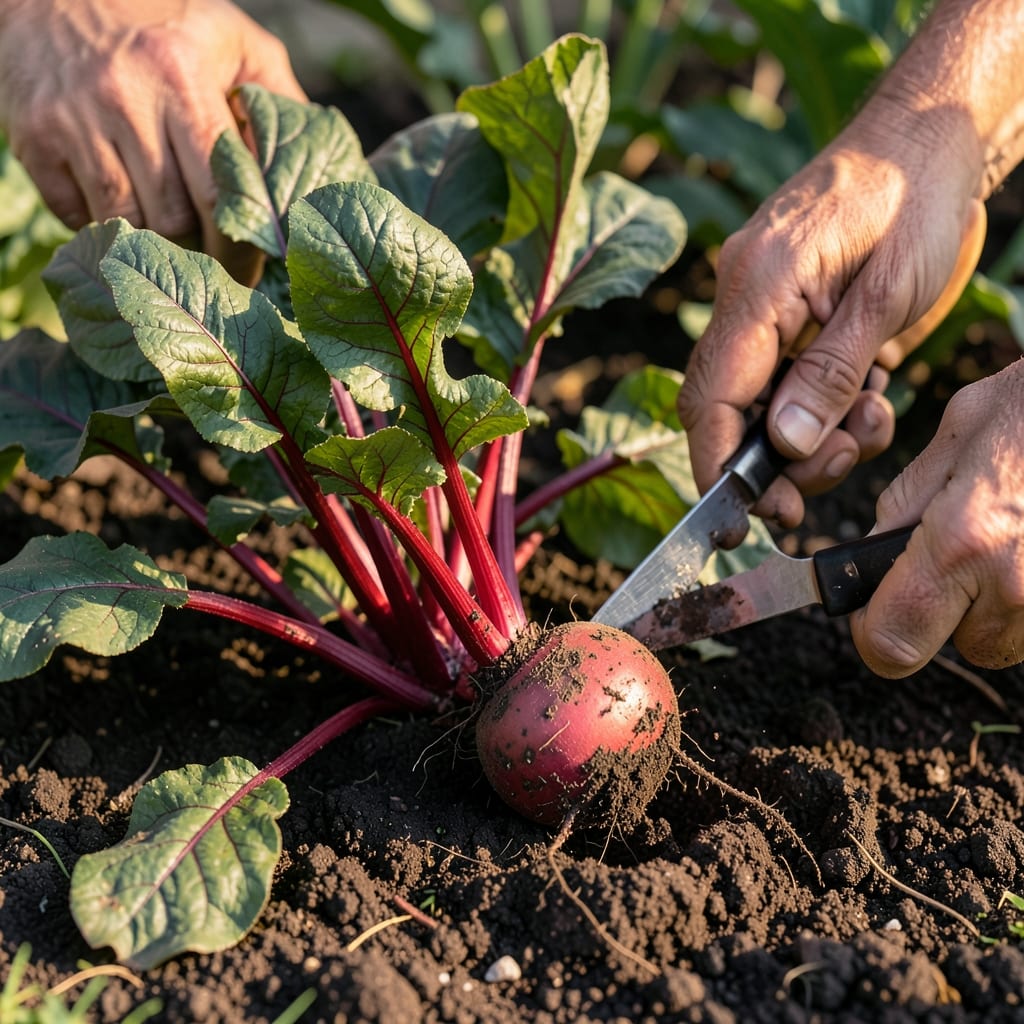
Beet juice can turn urine red or pink due to betalain pigments not fully broken down during digestion. This harmless condition, called beeturia, affects about 10-14% of people.
I’ve seen this surprise many people, especially first-time beet juice drinkers. The red pigments, called betalains, are normally absorbed in the gut, but in some individuals, they pass through unchanged. 🔥 This variation often ties to stomach acid levels or genetic differences in how we process these compounds.
It’s completely normal and typically fades within 24-48 hours after consumption. If the color persists longer or you notice other symptoms, that’s when I’d recommend checking with a healthcare provider.
💡 In This Article
The vibrant red and purple hues in beets come from betalain pigments, specifically betacyanins (red) and betaxanthins (yellow). These water-soluble compounds are highly stable across a wide pH range, unlike many plant pigments that degrade in acidic or alkaline environments. When you consume beet juice, these pigments travel through your digestive system largely intact.
Your stomach’s acidity plays a crucial role here. People with higher gastric pH (less acidic stomachs) are more likely to experience beeturia because the betalains aren’t broken down as effectively.
Studies show that betalains begin degrading significantly at pH levels below 3.0, which is why those with normal stomach acid (pH 1.5-3.5) may process them completely. 🔥
Genetics also influence this phenomenon. About 10-14% of people possess a genetic variation that affects their ability to metabolize these pigments. This variation is more common in individuals with iron deficiency or malabsorption issues, as iron helps break down betalains in the digestive tract.
The color change typically appears within 2-8 hours after consumption and can range from pale pink to deep red, depending on the concentration of pigments and your hydration level. More diluted urine will appear lighter, while concentrated urine may show more intense coloration. The effect usually resolves completely within 48 hours.
Interestingly, the same betalains that cause this urinary effect are also powerful antioxidants. They’ve been shown to have anti-inflammatory and detoxifying properties, which is why beet juice is often recommended for cardiovascular health. The pigments that pass through your system unchanged are essentially the same beneficial compounds that give beets their superfood status. ✨
About 10-14% of people experience this due to genetic variations affecting pigment metabolism. Those with iron deficiency or less acidic stomachs are more likely to see the color change.
The discoloration typically appears within 2-8 hours after drinking beet juice and fades completely within 48 hours. Staying hydrated helps it clear faster.
Yes, concentrated urine will show more intense color. Drinking plenty of water dilutes the pigments, making the tint lighter or even undetectable.
Not unless you have other symptoms. This is a harmless side effect of beneficial antioxidants. Only discontinue if advised by a doctor.