
Beautiful Plants For Your Interior
Beautiful Plants For Your Interior
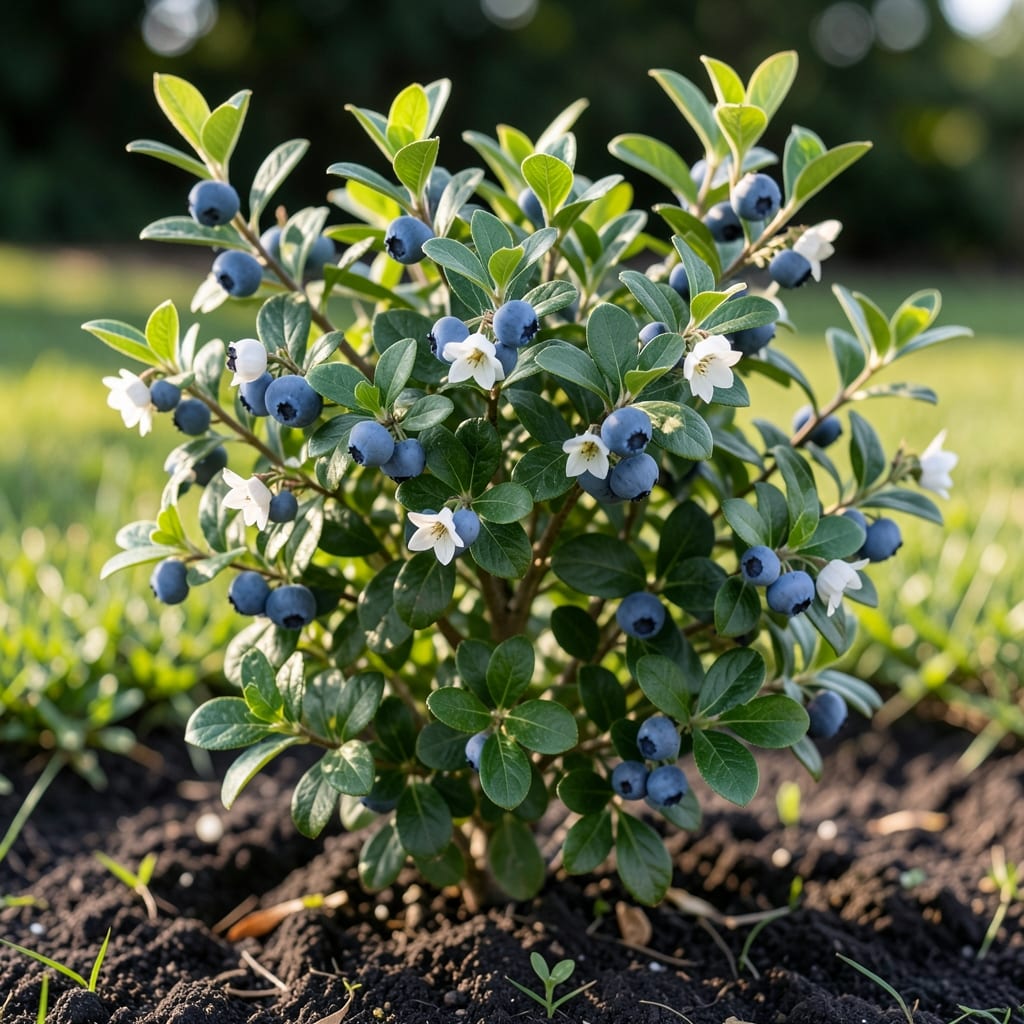
Blueberries thrive in USDA hardiness zones 3 through 7, with some varieties adapted to zones 8-10. Southern highbush types tolerate warmer climates, while northern highbush and lowbush prefer cooler regions.
I’ve found that understanding your local conditions is key to success. The chill hours required for fruit set vary by type, with northern varieties needing 800-1000 hours below 45°F each winter. Southern types, however, can produce fruit with as few as 100-200 chill hours, making them perfect for milder areas. 🔥
💡 In This Article
The USDA zones reflect minimum winter temperatures, but blueberries have an extra layer: chill hour requirements. Northern highbush varieties need 800-1000 hours below 45°F annually to break dormancy and set fruit. Without this cold period, buds won’t develop properly, leading to poor yields. 🔥
Southern highbush and rabbiteye types evolved for warmth, requiring only 100-800 chill hours. They thrive where winters are mild but still distinct. In zone 8-10, where winters may not dip below 45°F enough, these varieties prevent bud failure. Lowbush types, like wild Maine blueberries, can survive sub-zero temps down to -40°F in zone 3.
Temperature swings also matter. Blueberry flowers are frost-sensitive—temperatures below 28°F can damage blossoms, reducing harvest. This is why timing matters: late frosts in zone 5 can devastate early blooming varieties. Growers often select cultivars that bloom after the last frost date for their area.
Soil and humidity interact with hardiness too. Blueberries prefer acidic soil (pH 4.5-5.5), which is more common in cooler, rainier climates. In hotter zones, organic mulch helps retain moisture and cool roots. Drought stress in zone 9-10 can mimic winter damage, so irrigation becomes critical. ✨
Microclimates add another variable. A south-facing slope in zone 6 might mimic zone 7 conditions, allowing warmer varieties to succeed. Conversely, a low-lying area with cold air drainage in zone 7 could behave like zone 6, requiring hardier selections.
Zones 11-12 are generally too hot for most blueberry varieties. Even heat-tolerant types struggle without sufficient winter chill hours. Consider alternative fruits like citrus or tropical options instead.
Yes! Southern highbush and rabbiteye varieties thrive in zone 9. Look for cultivars like ‘Misty’ or ‘Climax’ that require 100-400 chill hours. Proper irrigation and afternoon shade help in extreme heat.
Northern highbush need 800-1000 chill hours below 45°F to produce fruit. In zones 8-10, winters are too mild to meet this requirement, causing poor bud development.
Check local agricultural extension office data or use online chill hour calculators. Track hours between 32-45°F from November to February. This helps select the right variety for your area.
Containers let you move plants to optimal locations. In cold zones, bring pots to a sheltered area. In hot zones, provide afternoon shade. Use acidic potting mix and keep soil consistently moist.