
Beautiful Plants For Your Interior
Beautiful Plants For Your Interior
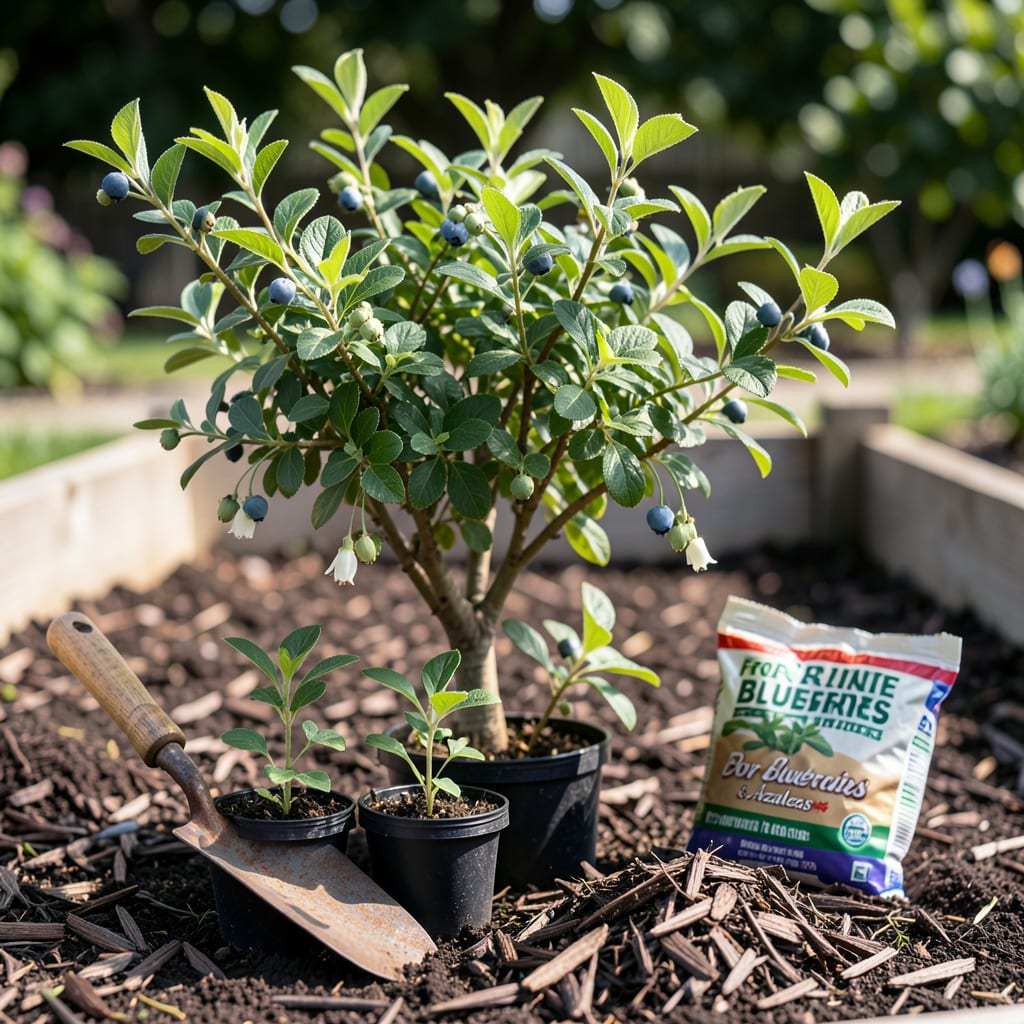
Timing your blueberry bushes wrong in North Carolina could mean years of weak growth or tiny harvests. I’ve seen gardeners in the Piedmont struggle with late frosts, while coastal growers miss their window entirely—all because they followed generic advice.
Here’s the good news: Whether you’re in the mountains or near the coast, there’s a perfect planting window for your region. I’ll break down exactly when to plant, why your soil pH matters more than you think, and how to avoid the 3 biggest mistakes NC gardeners make. Let’s get it right the first time.
If you’re eager to grow plump, juicy blueberries in North Carolina, timing your planting is critical. Our state spans USDA Zones 6a–8b, meaning frost dates and soil warmth vary dramatically from the cool mountains to the warm coastal plains. Get it right, and you’ll enjoy years of bountiful harvests! 🌱
In general, early spring (after the last frost) and early fall (6+ weeks before the first frost) are your best windows. But here’s the catch: bare-root bushes need spring planting, while container-grown plants can go in the ground almost anytime—if you avoid extreme heat or cold.
| Region | USDA Zone | Best Planting Months | Last Frost Date | Soil Prep Tip |
|---|---|---|---|---|
| Western NC (Mountains) | 6a–7a | April–May or Sept–Oct | May 10 | Add pine bark fines for acidity |
| Central NC (Piedmont) | 7b–8a | March–April or Oct–Nov | April 15 | Amend clay soil with compost |
| Eastern NC (Coastal Plain) | 8a–8b | Feb–March or Nov–Dec | March 20 | Mulch to retain moisture in sand |
In the mountains, wait until soil temps hit 45°F+—usually late April. The Piedmont’s clay-heavy soil warms faster, so you can plant earlier, but watch for late frosts that can damage new growth. Coastal gardeners? You’re lucky—mild winters mean you can plant almost year-round, except during summer’s scorching heat. ☀️
For bare-root bushes, spring is non-negotiable. These plants need time to establish roots before summer stress. Container-grown blueberries, however, give you flexibility. I’ve successfully planted them in early fall—just ensure they get 6+ weeks before the first frost to settle in.
Here’s a pro tip: Check your soil pH before planting. Blueberries thrive in acidic soil (4.5–5.5 pH). In NC, our native soil often leans alkaline, especially in the Piedmont. A simple soil test (available through NC Extension) saves headaches later. If needed, amend with sulfur or peat moss to lower pH.
Don’t forget sunlight and drainage! Blueberries need 6–8 hours of sun daily and well-draining soil. In coastal areas, raised beds help combat sandy soil and salt spray. In the Piedmont, mounding soil into ridges improves drainage in clay. Wherever you are, mulch heavily with pine straw to retain moisture and suppress weeds. 🌿
If you’re planting in fall, aim for early morning to reduce transplant shock. Water deeply after planting, and keep soil moist (but not soggy) for the first 4–6 weeks. In spring, watch for late frosts—have frost blankets ready to protect tender new growth.
For Western NC gardeners, consider cold-hardy varieties like ‘Pink Lemonade’ or ‘Patriot’. These handle higher elevations and cooler temps better. In the Piedmont, ‘Duke’ or ‘Bluecrop’ are reliable choices. Coastal folks? ‘O’Neal’ or ‘Southern Highbush’ varieties thrive in heat and humidity.
Finally, avoid planting in summer. The stress of heat and drought can overwhelm young plants, even with extra watering. If you miss your window, container-growing is a great alternative—just keep plants in partial shade and transplant in fall or next spring. 🪴
Planting blueberry bushes in North Carolina can be incredibly rewarding—if you avoid these common pitfalls. I’ve seen even experienced gardeners struggle because they overlooked soil pH, drainage issues, or chose the wrong variety. Let’s save you the heartache! 🌱
First, ignoring soil acidity is a recipe for failure. Blueberries demand pH 4.5–5.5, but much of NC’s native soil is alkaline, especially in the Piedmont’s clay-heavy areas. Skipping a soil test means you might plant in hostile conditions. Always test first—kits are cheap, or use NC Extension’s free service!
The second mistake? Planting in poorly drained sites. Blueberries hate “wet feet.” In the coastal plains, sandy soil drains too fast, while Piedmont clay holds water like a sponge. The fix? For sand, add organic matter to retain moisture. For clay, plant on raised mounds or use raised beds with acidic mix.
Third, choosing the wrong variety for your region wastes time and money. Rabbiteye blueberries (like ‘Climax’) thrive in the Piedmont’s heat but need a pollinator. Southern Highbush (like ‘O’Neal’) loves the coastal humidity but may fail in Western NC’s cold snaps. Always match varieties to your USDA zone and microclimate.
Here’s a bonus tip: Don’t skip mulching. Pine straw or wood chips keep roots cool, retain moisture, and suppress weeds. In coastal areas, mulch also protects against salt spray. Aim for 3–4 inches deep, but keep it 2 inches away from the stem to prevent rot. 🌿
Finally, avoid planting too deep. The root ball should sit 1–2 inches above ground level to prevent suffocation. I’ve rescued many bushes planted like tomatoes—buried too deep, they suffocate. When in doubt, plant high and mound soil around the base.
If you’ve already planted and see yellowing leaves or stunted growth, don’t panic! Test your soil, adjust pH with elemental sulfur, and prune out dead wood. With the right fixes, even struggling bushes can bounce back in a season. ✂️
Choosing the right blueberry variety for your NC region makes all the difference. In the Piedmont’s clay soil, heat-tolerant varieties like ‘Climax’ thrive, while coastal humidity calls for ‘O’Neal’ or ‘Southern Highbush’. Let’s match plants to your microclimate! 🌿
In the Piedmont, ‘Duke’ and ‘Bluecrop’ handle summer heat and clay’s drainage challenges. These northern highbush varieties also resist common pests like blueberry maggots. For Western NC’s cooler zones, try ‘Patriot’ or ‘Pink Lemonade’—they tolerate late frosts better.
| Region | Top Variety | Key Trait | Pollination | Care Tip |
|---|---|---|---|---|
| Western NC | ‘Patriot’ | Cold-hardy | Self-pollinating | Mulch heavily for winter |
| Piedmont | ‘Duke’ | Heat-tolerant | Needs pollinator | Amend clay soil |
| Coastal NC | ‘O’Neal’ | Humidity-loving | Self-pollinating | Protect from salt spray |
Seasonal care varies too. Piedmont gardeners should mulch in winter to protect roots from freeze-thaw cycles. Use 3–4 inches of pine straw—it’s acidic and deters weeds. In coastal areas, salt spray can burn leaves; rinse plants with fresh water after storms.
Pruning schedules shift by region. In the mountains, prune in late winter (Feb) before buds swell. The Piedmont’s mild winters allow pruning in January–February. Coastal growers? Wait until after frost risk (mid-Feb) to avoid cold damage to fresh cuts. Always remove dead wood first! ✂️
Pest management differs too. Birds are a statewide nuisance—net bushes as fruit ripens. In the Piedmont, watch for blueberry maggots; use sticky traps in June. Coastal gardens may battle fungal diseases from humidity—space plants for airflow and prune to open canopies.
Finally, watering needs vary. Sandy coastal soil drains fast—water every 2–3 days in summer. Piedmont clay holds moisture; water deeply once weekly. Mountains? Monitor soil moisture—cool temps mean less frequent watering. Always water at soil level to avoid wetting leaves (fungal risk!). 💧
Both seasons work, but fall planting gives roots a head start before winter dormancy. In coastal NC, fall’s mild temps reduce transplant shock. For mountain regions, spring is safer to avoid unexpected frosts.
Test with a soil pH kit (available at garden centers). Blueberries need 4.5–5.5 pH. If your soil tests higher, amend with sulfur or peat moss—especially critical in the Piedmont’s alkaline clay.
Use 15+ gallon pots with acidic potting mix. Keep in partial shade during summer heat, then transplant in fall or next spring. This works great for renters or small-space gardeners.
Planting in poorly drained sites. Blueberries drown in soggy soil! In coastal sand, add organic matter. For Piedmont clay, plant on raised mounds. Always test drainage by digging a hole—water should disappear in 1–2 hours.
It depends! Self-pollinating varieties (like ‘O’Neal’) produce alone, but cross-pollination boosts yields. For rabbiteye types, plant 2+ varieties within 50 feet for best results. More bushes = bigger harvests!
