
Beautiful Plants For Your Interior
Beautiful Plants For Your Interior
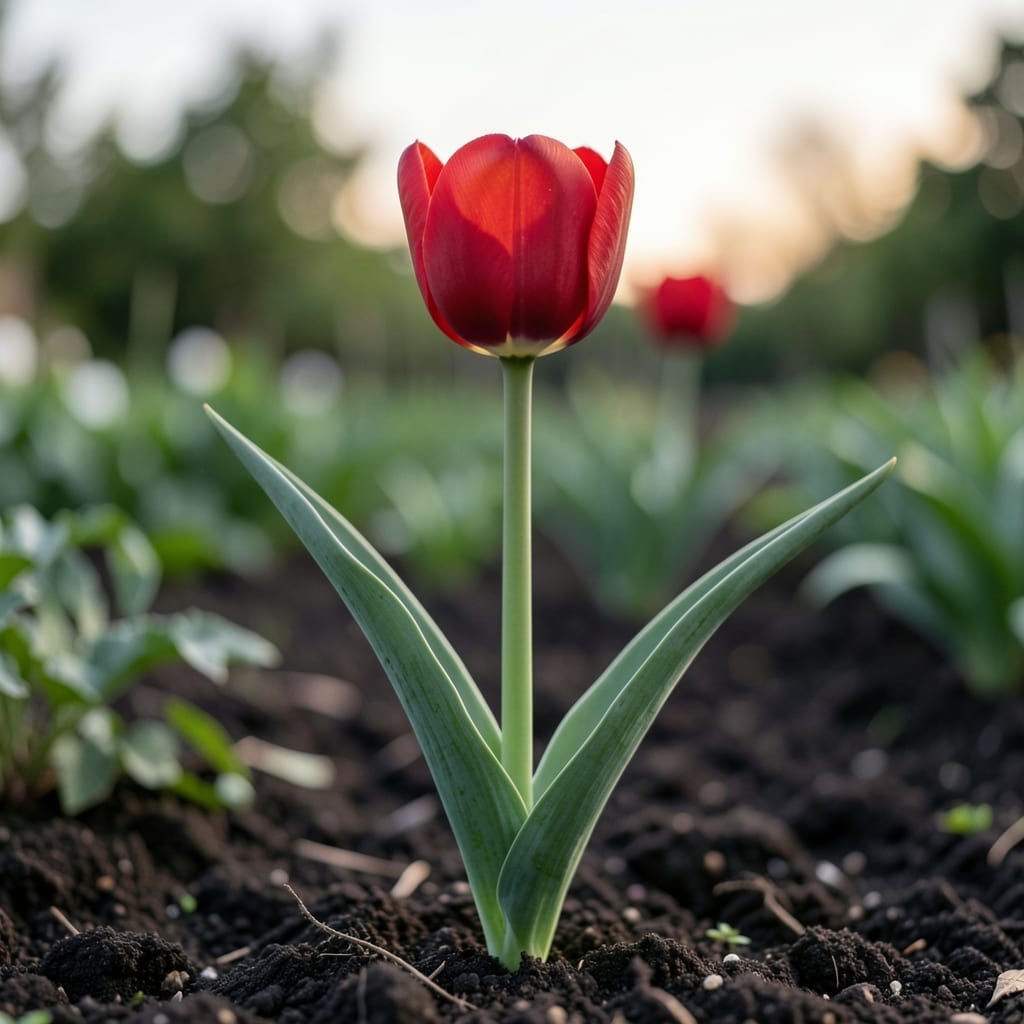
Tulips are toxic to bunnies, containing compounds that can cause drooling, nausea, and digestive upset if ingested. Keep pets away from these plants.
I discovered this the hard way when my pet rabbit nibbled on a tulip leaf and spent the next 12 hours looking miserable. The culprits are tulipalin A and B, concentrated in the bulb but present throughout the plant. Even small amounts can trigger serious discomfort, so I now treat tulips like a no-go zone in my garden. 🌟
Luckily, there are plenty of bunny-safe options like clover or dandelions that add color without the risk. ✨
💡 In This Article
The toxicity stems from tulipalin A and B, concentrated glycosides found throughout the plant. These compounds disrupt cellular processes in a rabbit’s digestive tract, causing irritation and inflammation. The highest concentrations are in the bulb, but stems and leaves also contain enough to trigger symptoms.
When ingested, these glycosides release sugars that bind to proteins in the gut lining. This creates microscopic damage, leading to drooling, nausea, and diarrhea. In severe cases, it can progress to gastrointestinal stasis, a life-threatening condition where the digestive system slows or stops entirely. 🔥
The bulb is particularly dangerous because it stores the most tulipalin compounds—up to 5-6% of its dry weight. Even a small bite can cause noticeable distress in a rabbit within 1-2 hours. The flowers contain lower concentrations but remain risky, especially for small or young bunnies.
What makes tulips especially tricky is their appeal. Rabbits are naturally drawn to the crisp texture of the stems and the sweet scent of the flowers. This curiosity often overrides their instinct to avoid harmful plants, making supervision in gardens with tulips absolutely essential. ✨
Veterinarians report that cases often spike in early spring when tulips first bloom. The fresh growth contains higher moisture content, which can make the toxins more bioavailable. This means even a brief exposure during garden maintenance can lead to accidental ingestion. 💫
Symptoms typically appear within 1-2 hours and include drooling, nausea, and digestive upset. In severe cases, it can lead to gastrointestinal stasis, a serious condition where the digestive system slows or stops.
Yes, the entire plant contains toxic compounds, with the bulb being the most dangerous. Even stems and leaves can cause symptoms if ingested. Always keep bunnies away from all parts.
A 2-foot high chicken wire fence buried 6 inches deep works well. For existing beds, raised planters at least 18 inches high can prevent access.
Try clover, dandelions, marigolds, or nasturtiums. Herbs like basil, parsley, and cilantro are also safe and enjoyable for rabbits. Always ensure plants are pesticide-free.