
Beautiful Plants For Your Interior
Beautiful Plants For Your Interior
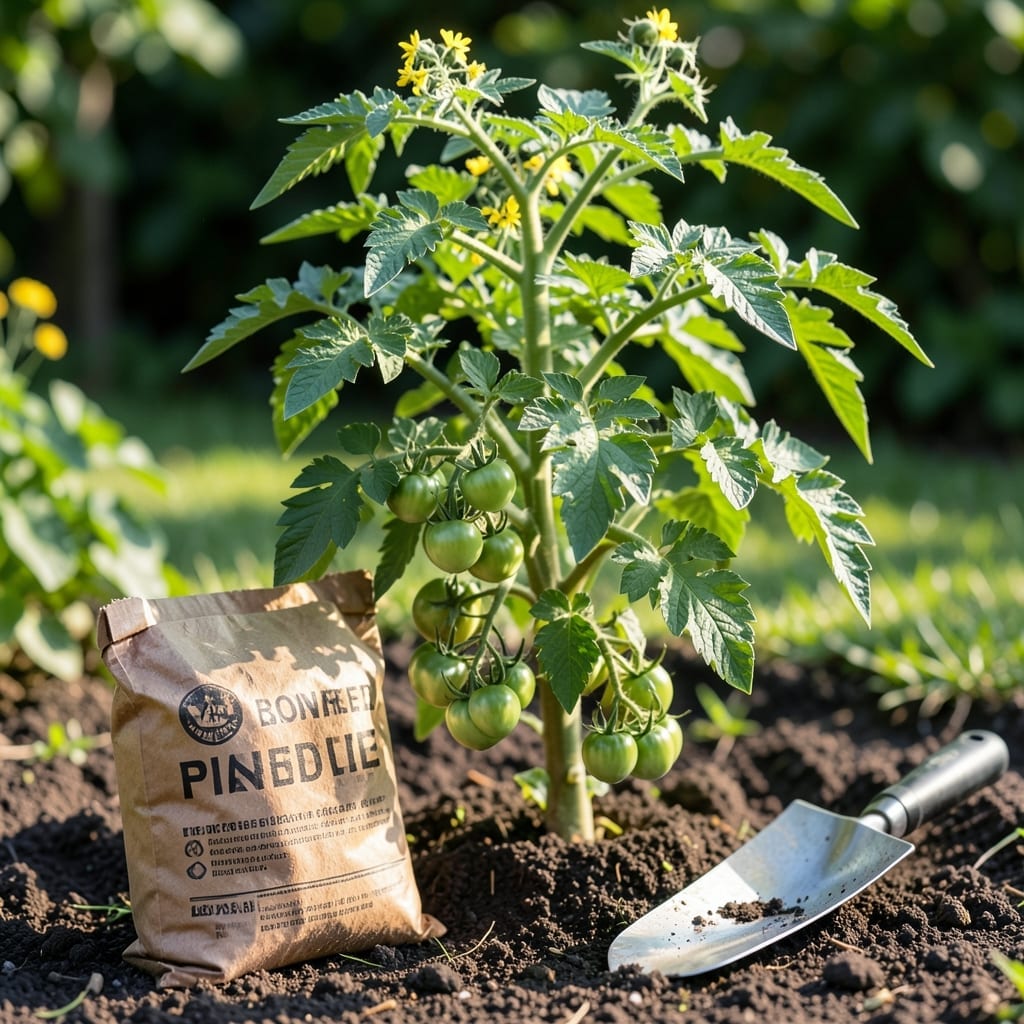
Bone meal is primarily used as a slow-release phosphorus fertilizer to promote strong root development and vibrant blooms in plants, especially flowering varieties and root crops.
I love how it gives plants the energy boost they need for robust root systems and show-stopping flowers. Phosphorus is the star here—it’s essential for cellular growth and energy transfer. For best results, I mix it into the soil at planting time or work it around existing plants in early spring. ✨
💡 In This Article
The magic happens through phosphorus, which bone meal releases gradually as it breaks down in soil. This element is a building block for ATP, the molecule that stores and transfers energy in plant cells. Without sufficient phosphorus, plants struggle to develop strong root systems. 🔥
Phosphorus also plays a key role in photosynthesis by helping plants convert sunlight into sugars. In flowering plants, it stimulates bloom production and seed formation. Bone meal typically contains 10-13% phosphorus, making it one of the richest organic sources available for gardeners.
For maximum effectiveness, bone meal works best in slightly acidic soils with a pH between 6.0 and 7.0. In these conditions, soil microbes can efficiently break down the material. The slow-release nature means plants receive nourishment over months rather than all at once.
What most gardeners don’t realize is that phosphorus moves very little in soil. This means it’s most effective when mixed directly into the root zone where plants can access it. The granular texture helps it stay in place rather than washing away with watering.
Root crops like carrots and beets show dramatic improvement with bone meal application. Their underground growth relies heavily on phosphorus for cell division and expansion. Above ground, you’ll notice thicker stems and more vibrant foliage in treated plants.
For most plants, apply once at planting and again in early spring. This slow-release fertilizer lasts 4-6 months in the soil. Avoid overuse—excess phosphorus can leach into waterways.
Root crops like carrots and beets thrive, as do flowering plants such as roses and bulbs. Tomatoes, peppers and fruit trees also show excellent results with proper application.
Yes, but choose steamed versions. They’re treated to remove pathogens while keeping nutrients intact. Always check for OMRI certification to ensure organic compliance.
Combine with compost or nitrogen-rich fertilizers for balanced nutrition. Avoid mixing with lime or wood ash, as high pH reduces phosphorus availability.
Bone meal works best in slightly acidic to neutral soil (pH 6.0-7.0). For alkaline soil, amend with sulfur or peat moss before applying to improve phosphorus uptake.