
Beautiful Plants For Your Interior
Beautiful Plants For Your Interior
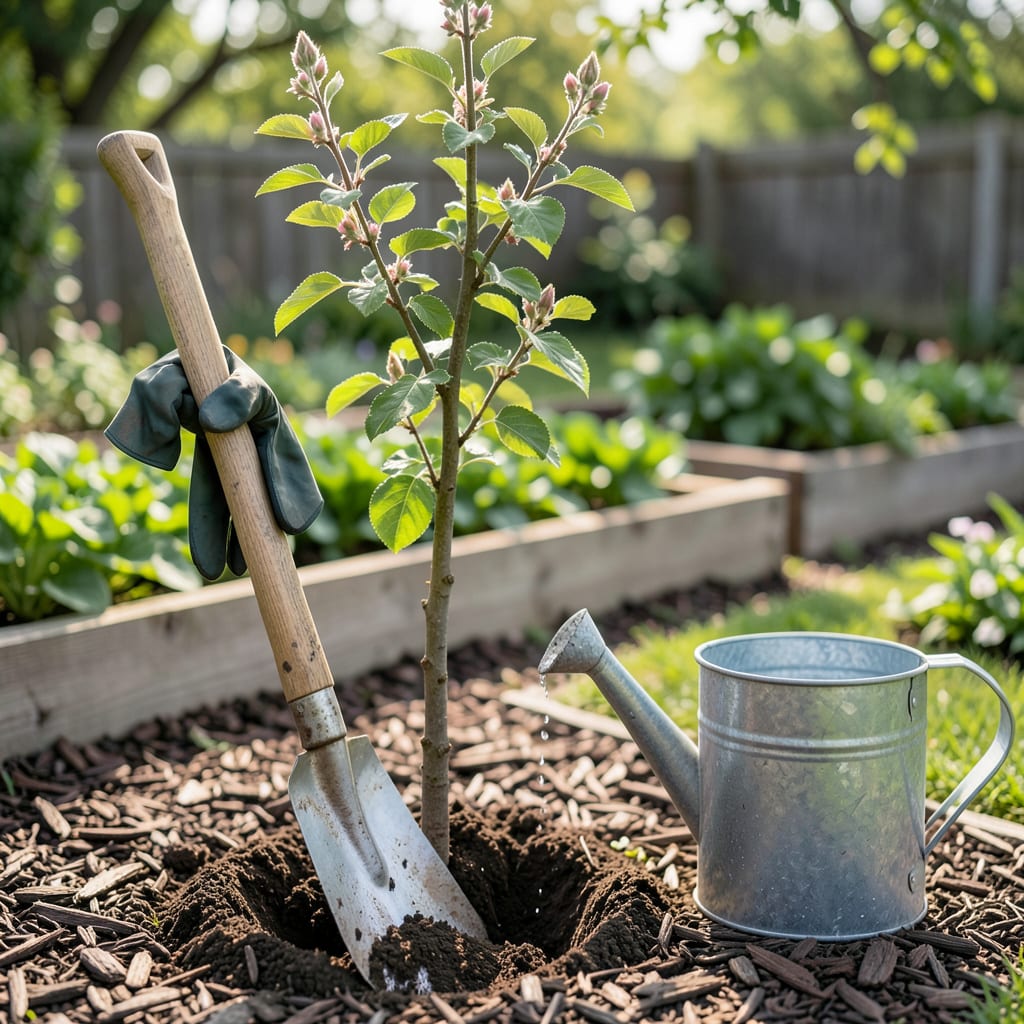
Timing is everything when it comes to planting fruit trees in Ohio—get it wrong, and you risk frost damage or weak growth. Our state’s Zone 5-6 climate demands precision, whether you’re planting in early spring or fall.
I’ve seen too many gardeners struggle because they missed the ideal window. Let me break down exactly when to plant for strong roots and bountiful harvests—so your 🍎 trees thrive from day one. The difference between success and disappointment often comes down to just a few weeks.
If you’re dreaming of a backyard orchard in Ohio, nailing the planting window is your first step to success. Our Zone 5 climate gives us two prime seasons—early spring and early fall—but the timing shifts slightly depending on where you live in the state. Plant too late, and your tree might struggle with frost; plant too early, and summer heat could stress it out.
I always tell Ohio gardeners to watch the soil temperature, not just the calendar. For spring planting, aim for 50°F+ soil (usually March–April). In fall, shoot for 40°F+ soil (typically September–October) to give roots time to establish before winter. Southern Ohio (Zone 6) can push these windows a week or two earlier than northern areas.
For spring planting, I recommend getting trees in the ground 2–3 weeks after the last frost (around April 15–May 1 for most of Ohio). This gives the soil time to warm up while avoiding late frosts that can damage tender new growth. Fall planting is my personal favorite—cooler temps mean less stress on the tree, and autumn rains help roots settle in.
Not all fruit trees follow the same rules. Apples and pears thrive with spring planting, while peaches and plums often do better in fall. If you’re buying bare-root trees, fall is ideal because they’re dormant and less prone to transplant shock. Container-grown trees can go in either season, but avoid planting during summer’s peak heat.
Here’s a quick trick: Stick your finger in the soil. If it feels cool but not cold (like a crisp fall morning), it’s likely in the 40–50°F range—perfect for planting. Too cold? Wait a week. Too warm? Water deeply after planting to combat heat stress. Ohio’s clay-heavy soil can be tricky, so amending with compost helps drainage and root growth.
If you’re in Columbus, Cincinnati, or Toledo, urban heat islands might let you plant a week earlier than rural areas. But up near Cleveland or the Appalachian foothills, frost pockets can linger—so err on the side of caution. When in doubt, call your local extension office for hyper-local advice. They’ll know if your microclimate leans warmer or cooler.
One mistake I see often? Planting too late in fall. Your tree needs 4–6 weeks before the first frost (around October 10–20) to establish roots. Rush it, and winter heaving could push the tree out of the ground. For spring plantings, avoid waterlogged soil—Ohio’s April showers can drown roots if drainage is poor.
Pro tip: Mark your calendar for Arbor Day (last Friday in April)—it’s a great reminder for spring planting! And if you’re torn between seasons, fall usually wins for less maintenance (no summer watering stress) and stronger root systems by spring. Just mulch heavily (3–4 inches) to insulate roots over winter.
Finally, don’t forget to test your soil pH before planting. Ohio’s soil tends to be neutral to slightly acidic (pH 6.0–7.0), but a quick test kit from the garden center can save you headaches. Adjust with lime (to raise pH) or sulfur (to lower it) based on your tree’s needs—most fruit trees prefer a slightly acidic environment.
Before you even think about digging that hole, there are five non-negotiable steps to set your Ohio fruit tree up for success. I’ve seen too many gardeners skip these and wonder why their trees struggle. Trust me—soil prep and site selection matter more than you think in our Zone 5-6 climate.
First, test your soil pH. Ohio’s soil often leans neutral to slightly acidic (pH 6.0–7.0), but fruit trees thrive in slightly acidic conditions (pH 6.0–6.5). Grab a test kit from your local extension office or garden center—it’s a $10 investment that could save you years of frustration.
Next, pick your planting spot wisely. Fruit trees need full sun (6+ hours daily) and good airflow to prevent fungal diseases. Avoid planting in low-lying areas where cold air settles—these become frost pockets that can damage blossoms in spring. If your yard has heavy clay soil, mix in compost or aged manure to improve drainage.
Here’s a trick I swear by: Call 811 before digging to check for underground utilities. Once you’re clear, dig your hole twice as wide as the root ball but no deeper. Planting too deep is the #1 killer of young fruit trees—it suffocates roots and encourages rot. The graft union (that bump near the base) should sit 2–3 inches above soil level.
For bare-root trees, soak the roots in water for 1–2 hours before planting to rehydrate them. If you’re planting a container-grown tree, gently loosen the roots if they’re circling the pot. Place the tree in the hole, backfill with native soil (no fertilizer yet!), and tamp down gently to remove air pockets. Water deeply—5 gallons per tree—to settle the soil.
Finally, mulch like a pro. Spread 3–4 inches of wood chips or straw around the base, but keep it 2 inches away from the trunk to prevent rot. Mulch retains moisture, suppresses weeds, and insulates roots—critical for Ohio’s temperature swings. In fall, add an extra inch for winter protection. Avoid volcano mulching (piling it against the trunk)—it’s a death sentence for fruit trees.
One last thing: Stake only if necessary. Most fruit trees don’t need staking unless they’re in a windy area or have a weak root system. If you do stake, use soft tree ties and remove them after one year to avoid girdling the trunk. Now you’re ready to plant with confidence—your tree will thank you with strong roots and future harvests! 🌳
Not all fruit trees thrive on the same timeline in Ohio. Our Zone 5-6 climate means apples and pears prefer spring planting, while peaches and plums often do better in fall. The key is matching each tree’s bloom time and cold hardiness to Ohio’s seasons.
For example, apple trees planted in early spring (March–April) establish roots before summer heat, while peach trees benefit from fall planting (September–October) to avoid late frost damage to blossoms. Urban areas like Columbus or Cincinnati may allow slightly earlier planting than rural zones.
Bare-root trees (like those from mail-order nurseries) should always be planted in fall when dormant. They establish faster with cooler temps and autumn rains. Container-grown trees offer more flexibility—just avoid planting during summer’s peak heat or when soil is frozen.
In southern Ohio (Zone 6), you can push planting times 1–2 weeks earlier than northern regions. For example, Cincinnati gardeners might plant peaches in late August, while Cleveland gardeners should wait until mid-September to avoid early frosts.
Remember: Microclimates matter. Urban areas with heat islands (like Columbus) may allow earlier planting, while frost pockets in rural valleys (common near the Appalachian foothills) require later timing. When in doubt, check with your county extension office for hyper-local advice.
Pro tip: If you’re planting multiple trees, space dwarf varieties 8–10 feet apart and standard trees 15–20 feet apart. This ensures good airflow and sunlight penetration, which reduces disease risk in Ohio’s humid summers. Always mulch after planting—3–4 inches of wood chips works wonders! 🌳
Fall is often ideal because cooler temps reduce transplant shock. Aim for September–October when soil is still warm but air temps are cooling. Spring works too, but requires more watering to combat summer heat.
Avoid summer planting in Ohio—heat stress and drought conditions make it risky. If you must, choose container-grown trees and water daily for the first month. Early morning watering helps most.
Stick your finger 2 inches deep into the soil. If it feels cool but not cold (like a crisp fall morning), it’s ready. Too cold? Wait a week. Too warm? Plant in evening and mulch heavily.
Planting too late in fall is the top error. Trees need 4–6 weeks before first frost to establish roots. In northern Ohio, aim to finish by October 10 to avoid winter heaving.
