
Beautiful Plants For Your Interior
Beautiful Plants For Your Interior
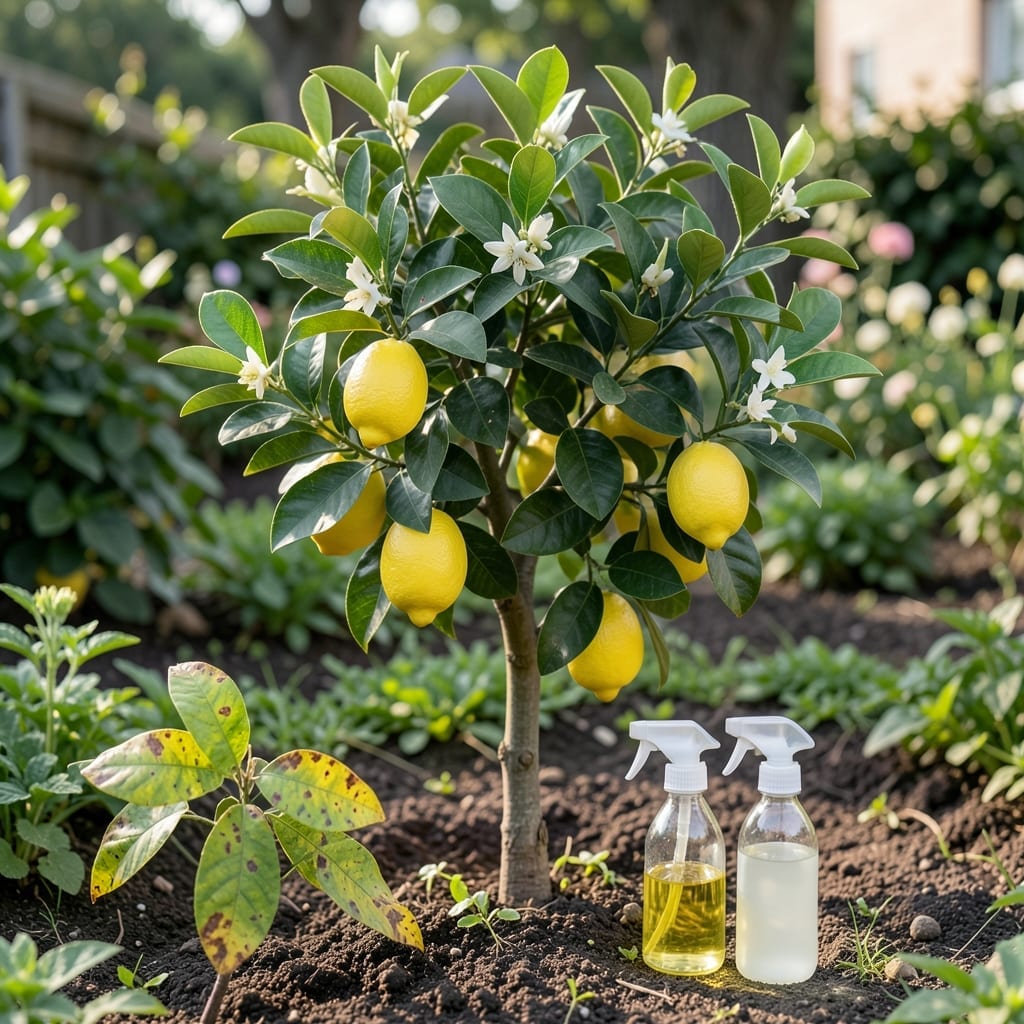
Brown spots on leaves always feel like a gut punch after all your care. I’ve seen this more times than I can count—usually from overwatering or fungal issues that sneak in when conditions aren’t quite right.
Lemon juice can help lighten those unsightly marks, thanks to its natural acidity. It won’t fix the root problem, but it can reduce the appearance while you address what’s really going on beneath the soil.
Application is simple: dilute it with water, test on a small area first, and avoid direct sunlight afterward to prevent burning. I’ve found one part lemon juice to three parts water works without harming the plant.
This method is best for minor cosmetic issues, not severe damage. Always tackle the underlying cause for long-term health.
Brown spots, or hyperpigmentation, develop when excess melanin—the pigment responsible for skin color—clusters in certain areas. Several factors trigger this overproduction, and understanding them helps explain why lemon juice is often considered as a remedy.
The most common cause is UV radiation from the sun. When skin is exposed to UV rays, it produces extra melanin as a defense mechanism to protect deeper layers. Over time, this leads to dark patches, especially on sun-exposed areas like the face, hands, and shoulders. Even brief, repeated sun exposure without protection can accelerate this process.
Fluctuations in hormones, particularly during pregnancy, menopause, or while taking birth control pills, can trigger melasma. This condition causes brown or gray-brown patches, often on the face. The hormonal shifts stimulate melanocytes (pigment-producing cells), leading to uneven skin tone.
As skin ages, cell turnover slows, and past damage (like acne, cuts, or inflammation) may leave behind post-inflammatory hyperpigmentation (PIH). Additionally, cumulative sun damage over the years (photoaging) can cause age spots or liver spots, which are flat, brown areas typically appearing on the hands and face.
Injuries, acne, eczema, or harsh skincare products can inflame the skin, prompting melanin overproduction as part of the healing process. Even frequent friction or picking at the skin can leave dark marks long after the initial issue resolves.
Some people are genetically predisposed to hyperpigmentation. Conditions like addison’s disease or certain medications (e.g., chemotherapy drugs) can also increase melanin production, leading to dark patches.
Brown spots can be frustrating, but lemon juice offers a natural, cost-effective solution. Below are targeted fixes for common causes, along with prevention tips to keep your skin clear and even-toned.
Sun exposure is a leading cause of brown spots. The citric acid in lemon juice acts as a natural bleaching agent to lighten them. Apply fresh lemon juice directly to the spots with a cotton ball, leave for 15-20 minutes, then rinse. Always use sunscreen afterward—lemon juice increases sun sensitivity.
Age spots respond well to regular lemon juice treatments. Mix lemon juice with honey (1:1 ratio) to reduce irritation and apply nightly. For faster results, add a pinch of turmeric for its anti-inflammatory benefits. Consistency is key—expect visible improvements in 4-6 weeks.
Combine lemon juice with sugar or baking soda to create a gentle exfoliating scrub. Use 2-3 times a week to remove dead skin cells and lighten dark patches. Patch test first to avoid irritation, especially if you have sensitive skin.
Pro tip: For sensitive skin, dilute lemon juice with water (50/50) to reduce the risk of irritation. ✨
Start with 2-3 times per week for sensitive skin. If no irritation occurs, you can increase to daily use. Always apply at night to avoid sun sensitivity.
Fresh is best for maximum potency, but bottled works in a pinch. Avoid versions with added preservatives or sugars, as these can irritate skin.
Rinse immediately with cool water and apply a soothing moisturizer. Next time, dilute with more water or try a different method like honey mixed in.
Most people notice lightening within 2-4 weeks of consistent use. For deeper spots, it may take up to 8 weeks to see significant improvement.