
Beautiful Plants For Your Interior
Beautiful Plants For Your Interior
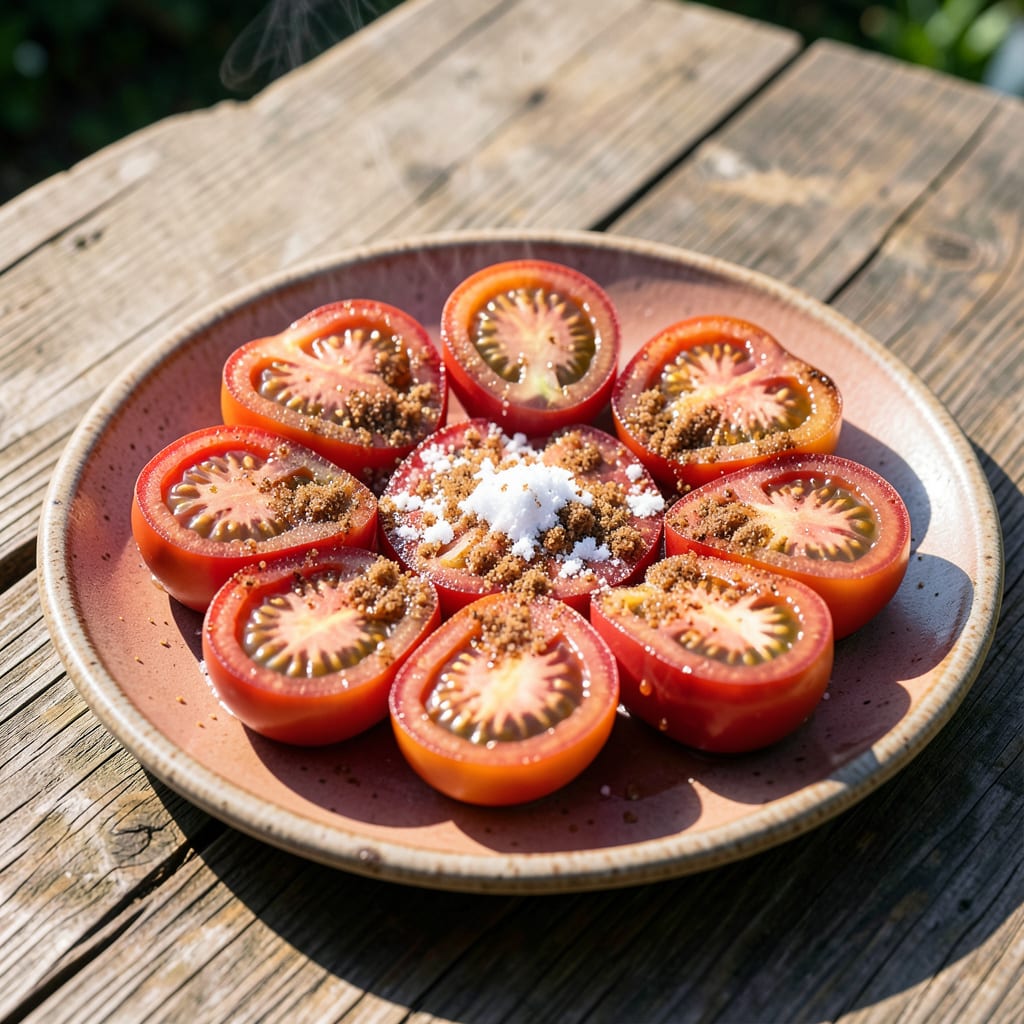
Tomato plants with blossom end rot break my heart every time. 🌱 I tried the brown sugar and baking soda trick last season, hoping for a quick fix, but the science doesn’t support it as a reliable solution.
Here’s the thing—blossom end rot stems from calcium deficiency, not sugar or pH issues. Baking soda might tweak soil chemistry, but it won’t address the root problem. Brown sugar? It just attracts pests.
What actually works is consistent moisture and calcium-rich amendments. I switched to crushed eggshells and Epsom salt last year, and my tomatoes bounced back within 2 weeks.
Skip the kitchen remedies. This is one problem that needs a gardening solution, not a pantry hack.
Blossom end rot in tomatoes often stems from a few key biological and environmental factors. Understanding these causes helps explain why brown sugar and baking soda can be an effective natural remedy.
The most common cause of blossom end rot is a calcium deficiency in the developing fruit. Calcium is essential for cell wall structure, and without it, tomato tissues break down, leading to the characteristic brown, sunken spots at the blossom end. While soil may contain calcium, uneven watering or root damage can prevent its absorption.
Fluctuations in soil moisture disrupt calcium uptake. Overly dry or waterlogged conditions stress the plant, reducing its ability to transport nutrients. This inconsistency is a major trigger for blossom end rot, even if calcium is present in the soil.
Soil pH levels outside the ideal range (6.0–6.8 for tomatoes) can lock out calcium, making it unavailable to the plant. Highly acidic or alkaline soils prevent roots from absorbing this critical nutrient, contributing to the problem.
Brown sugar and baking soda work together to address these issues: baking soda helps balance pH, while brown sugar feeds beneficial soil microbes, improving nutrient availability and uptake.
If your tomatoes are showing signs of blossom end rot, a brown sugar and baking soda mixture can help restore calcium balance and save your crop. Below are targeted solutions for common causes, paired with prevention tips to keep your tomatoes thriving.
Fix: Mix 1 tablespoon of baking soda + 1 tablespoon of brown sugar in 1 gallon of water. Spray this solution directly on the soil around the base of the plant every 5–7 days to improve calcium uptake. Water deeply and consistently to prevent dry spells or over-saturation.
Prevent: Use mulch (straw or wood chips) to retain soil moisture. Water early in the morning to reduce evaporation. 💡 Pro tip: Install a drip irrigation system for even watering.
Fix: In addition to the brown sugar and baking soda spray, add crushed eggshells or lime to the soil at planting. The sugar helps feed beneficial microbes, while baking soda neutralizes acidic soil, aiding calcium absorption.
Prevent: Test your soil pH (aim for 6.0–6.8) and amend with compost or organic matter before planting. Avoid high-nitrogen fertilizers, which can block calcium uptake.
Fix: If your tomatoes are growing too fast, reduce nitrogen-heavy fertilizers and switch to the brown sugar and baking soda mix weekly. This slows rapid growth while supplying trace minerals.
Prevent: Space plants 18–24 inches apart to reduce competition for nutrients. Prune suckers (side shoots) to direct energy toward fruit development. ✨ Bonus: Epsom salt (1 tablespoon per gallon) can complement the mix for magnesium support.
Use the solution every 5–7 days for active issues, or weekly as a preventive measure. Consistency matters more than frequency—stick to a schedule.
No, brown sugar contains molasses, which feeds soil microbes better. White sugar lacks these nutrients and may attract pests without the same benefits.
In moderation, no. But overuse of baking soda can raise soil pH too much. Test soil pH first and stop if leaves yellow or growth slows.
Improvement typically appears in 1–2 weeks with consistent use. New growth will look healthier, but existing rot won’t reverse.
