
Beautiful Plants For Your Interior
Beautiful Plants For Your Interior
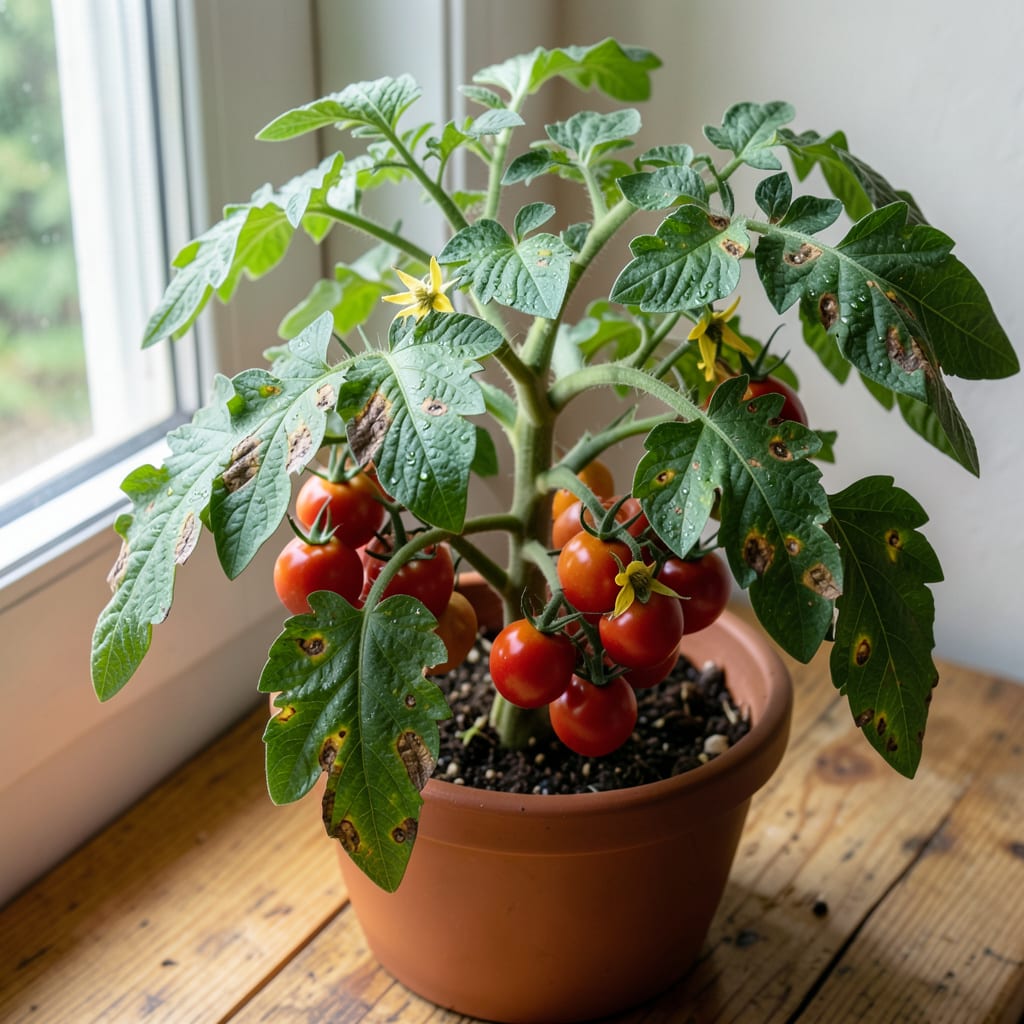
Spotted brown leaves on your tomatoes? I’ve been there—panicked, Googling at midnight, wondering if my plants were doomed.
Good news: most brown spot issues are fixable if you act fast. The culprits usually fall into three buckets: fungus, pests, or environmental stress. Each leaves a distinct pattern, so diagnosis is half the battle.
With the right approach, you can stop the spread in 48 hours and get your plants back on track. The key is matching the symptoms to the solution, not guessing.
Let’s figure out what’s happening and how to turn those sad leaves into healthy green growth again.
Brown spots on tomato leaves can stem from several underlying issues, each with distinct triggers. Here’s a breakdown of the most common causes and their scientific explanations:
Fungi like Alternaria solani (early blight) or Phytophthora infestans (late blight) thrive in wet, humid conditions. They produce spores that infect leaves, disrupting cell function and causing necrotic (dead) brown patches. Overhead watering and poor air circulation exacerbate these infections.
Bacteria such as Pseudomonas syringae or Xanthomonas campestris enter through wounds or stomata (leaf pores). They multiply rapidly, blocking water transport and creating angular, water-soaked brown spots. Splashing water spreads these pathogens between plants.
Insects like spider mites or aphids pierce leaf tissues to feed, creating entry points for secondary infections. Their feeding also causes localized cell death, appearing as stippled or irregular brown spots. Check leaf undersides for webbing or tiny pests.
Extreme heat, drought, or nutrient deficiencies (e.g., calcium or potassium) can trigger physiological stress. This leads to oxidative damage in leaf cells, manifesting as marginal or interveinal brown lesions. Inconsistent watering is a frequent culprit.
Overuse of fertilizers or pesticides can scorch foliage, especially if applied during peak sunlight. High salt concentrations draw moisture out of cells, resulting in crisp, brown edges or spots. Always follow label rates and apply in cooler temperatures.
Brown spots on tomato leaves can often be fixed with targeted care. Below are practical solutions for the most common causes, along with prevention tips to keep your plants healthy.
If early blight or septoria leaf spot is the culprit, act fast. Prune infected leaves immediately—use sterilized scissors and dispose of debris in the trash (not compost). Apply a copper-based fungicide or a homemade mix of 1 tsp baking soda + 1 quart water + a few drops of dish soap. Spray every 7–10 days or after rain.
Prevention: 💡 Improve airflow by spacing plants 18–24 inches apart. Water at the base (not overhead) to keep leaves dry.
For aphids, whiteflies, or spider mites, blast them off with a strong stream of water. Apply neem oil or insecticidal soap every 5–7 days until pests are gone. For severe infestations, use pyrethrin-based sprays.
Prevention: ✨ Encourage beneficial insects like ladybugs. Inspect leaves weekly for early signs.
Let the soil dry slightly between waterings. If the pot lacks drainage, repot in fresh, well-draining soil and ensure containers have holes. For garden plants, amend heavy clay soil with compost.
Prevention: 🌡️ Use a moisture meter to avoid overwatering. Mulch with straw to retain even moisture.
Yellowing leaves with brown spots often signal magnesium or potassium deficiency. Apply Epsom salt (1 tbsp per gallon of water) for magnesium or a balanced fertilizer (e.g., 10-10-10) for potassium. Avoid over-fertilizing, which can burn roots.
Prevention: 🎯 Test soil annually and amend with compost before planting.
If spots appear after extreme heat or wind, erect a shade cloth during peak sun (10 AM–4 PM) or stake plants to reduce leaf damage. For sunscald, avoid pruning too heavily.
Prevention: ✨ Harden off seedlings before transplanting to reduce shock.
Yes, prune affected leaves immediately with sterilized scissors. This prevents the issue from spreading. Dispose of them in the trash, not compost, to avoid reinfection.
Overwatering leads to root rot and fungal growth, which often appears as brown patches. Let soil dry slightly between waterings and ensure good drainage.
Apply a copper-based fungicide or a baking soda spray (1 tsp per quart of water). Reapply every 7-10 days or after rain for best results.
Space plants 18-24 inches apart for airflow, water at the base, and rotate crops yearly. Mulch with straw to reduce soil-borne spores.
