
Beautiful Plants For Your Interior
Beautiful Plants For Your Interior
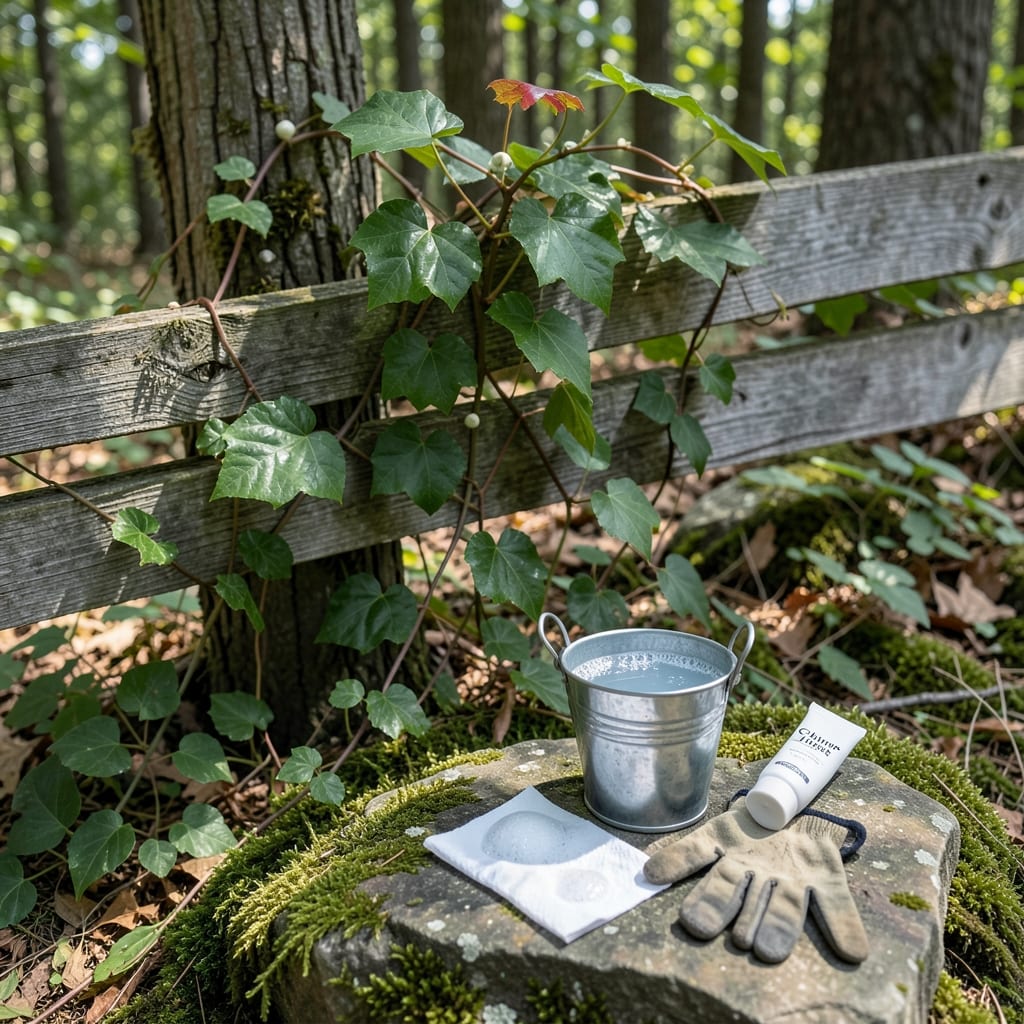
Wash the affected skin with cool water and soap immediately, then apply calamine lotion or hydrocortisone cream. Oatmeal baths and cold compresses can soothe itching while the rash heals over 1-3 weeks.
The urushiol oil in poison ivy binds to skin within minutes, so fast action is critical. I always recommend using cool water first to prevent spreading the oil, then applying treatments to calm inflammation. The healing timeline depends on severity, but most rashes improve within 7-10 days with consistent care. 💫
💡 In This Article
The culprit is urushiol, a colorless oil found in poison ivy leaves, stems, and roots. This potent compound binds to skin proteins within 10-30 minutes, triggering an immune response that manifests as redness, blisters, and itching.
What most people don’t realize is that urushiol remains active on surfaces for years, so indirect contact can cause reactions just as easily as direct exposure. 🔥
Your immune system reacts to urushiol as if it were a harmful invader. The body releases histamine, which causes inflammation and itching. About 85% of people develop this allergic contact dermatitis, while a lucky few have genetic resistance.
Sensitivity often increases with repeated exposure—meaning your first reaction might be mild, but subsequent ones can become more severe. ⚡
The rash itself isn’t contagious, but the oil is. If you touch contaminated clothing, tools, or pet fur, you can spread urushiol to new areas. The blisters form as your skin’s defense mechanism, creating a barrier against the irritant.
This is why washing with cool water and soap immediately is crucial—it removes the oil before it fully penetrates. ✨
Environmental factors influence reaction severity too. Higher concentrations of urushiol in summer months mean worse rashes. The oil also spreads more easily when the plant is damaged through crushing or burning, which releases particles into the air that can land on skin or be inhaled, causing systemic reactions in rare cases. 💫
Interestingly, poison ivy’s close relatives—poison oak and sumac—contain the same urushiol compound. This explains why people allergic to one are typically allergic to all three. The molecular structure of urushiol is so stable that it can remain potent through winter on dead plants, making year-round caution necessary in areas where these plants grow. 🌟
The rash typically develops within 12-48 hours after exposure to urushiol oil. In some cases, it may appear as quickly as 8 hours or take up to 3 days to show up. The timing depends on your skin sensitivity and how much oil you contacted.
Seek medical attention if the rash covers a large area, appears on your face or genitals, or is accompanied by fever. Also visit a doctor if the rash becomes severely swollen, oozes pus, or doesn’t improve after 7-10 days of home treatment.
No, the rash itself isn’t contagious. However, urushiol oil on skin, clothing, or surfaces can spread to others. Wash all contaminated items with soap and water, and avoid scratching, which can transfer oil to new areas.
Apply cold compresses for 15-20 minutes several times daily. Over-the-counter hydrocortisone cream or calamine lotion can provide relief within 30-60 minutes. Oral antihistamines like Benadryl also help reduce itching.