
Beautiful Plants For Your Interior
Beautiful Plants For Your Interior
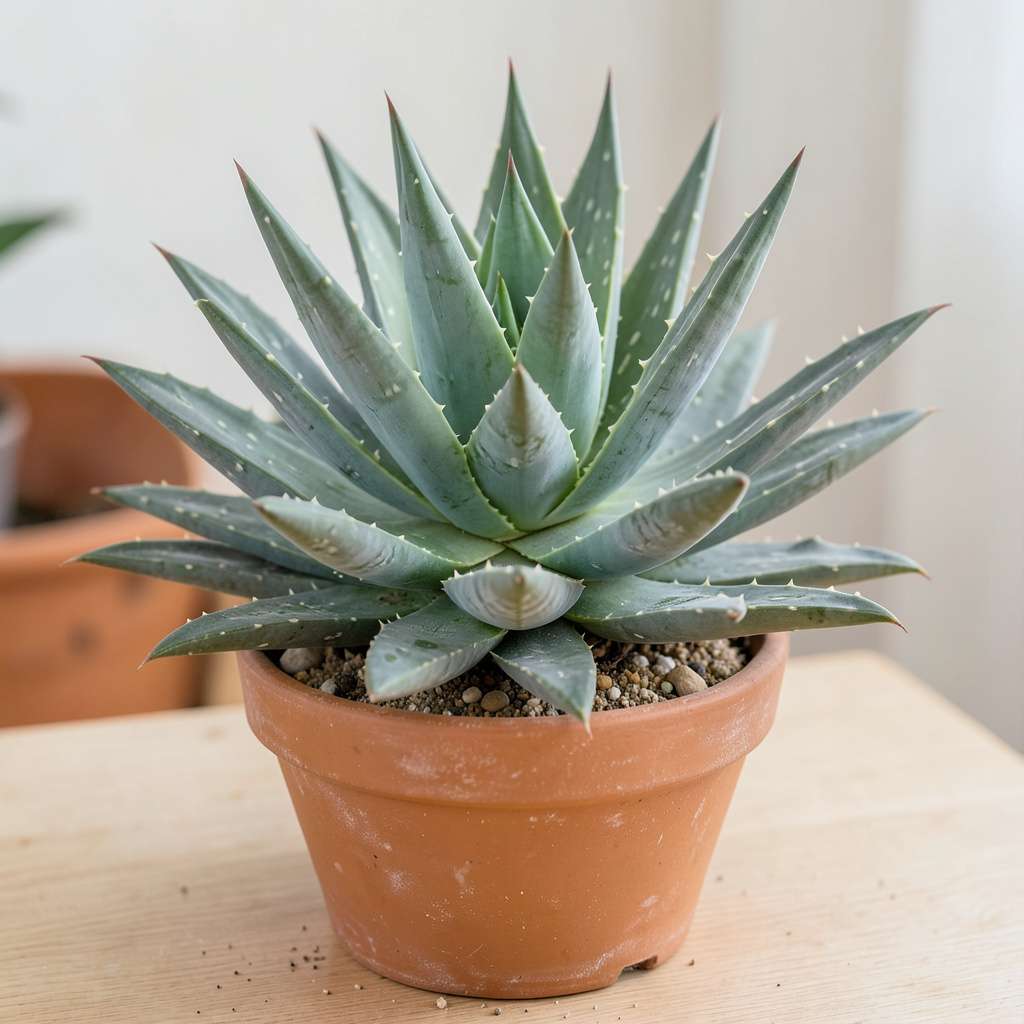
Aloe plants grow slowly, typically adding 2-4 inches per year under ideal conditions. Mature size (12-24 inches) is usually reached in 3-5 years, though growth speed depends on light, water, and soil quality.
I’ve found that aloe’s deliberate pace actually works in your favor—it means less frequent repotting and more time to perfect your care routine. 🌱 What many don’t realize is that this slow growth contributes to the plant’s legendary hardiness, allowing it to store water efficiently in its thick leaves. The real game-changer comes when you optimize conditions: bright, indirect sunlight can nearly double growth rates compared to low-light situations, while proper drainage prevents the root rot that stunts development entirely.
💡 In This Article
The growth rate of aloe vera isn’t just about time—it’s about how the plant converts sunlight into energy. Aloe plants use CAM (Crassulacean Acid Metabolism) photosynthesis, which allows them to open their stomata at night to conserve water.
This adaptation makes them incredibly efficient in arid conditions but means they grow more slowly than plants using standard photosynthesis. Under bright, indirect light (like a south-facing window), aloe can photosynthesize optimally, while low-light conditions force the plant into survival mode, slowing growth to just 1-2 inches per year. 🌞
Water availability plays a surprisingly nuanced role. While aloe stores water in its leaves, too much moisture actually inhibits growth by promoting root rot instead of new leaf development. I’ve found the sweet spot is watering deeply but only when the soil is completely dry—about every 2-3 weeks in summer, less in winter.
The soil composition matters too: a mix with 50% perlite or pumice ensures proper drainage while providing enough organic matter for nutrient absorption. Without this balance, aloe plants may stall completely.
Temperature creates dramatic differences between indoor and outdoor growth. Aloe thrives in warm conditions between 55-80°F, with outdoor plants in zones 9-11 often growing 30-50% faster than indoor counterparts due to natural temperature fluctuations. However, indoor plants benefit from consistent warmth that prevents winter dormancy.
Pot size also influences growth—aloe prefers being slightly root-bound, but a pot too small can restrict development, while one too large holds excess moisture that slows growth. ✨
The age of the plant itself affects growth patterns. Young aloe plants (under 2 years) focus energy on establishing their root system before significant upward growth occurs. Mature plants (3+ years) may produce offsets or “pups” that divert energy from vertical growth.
I’ve noticed that plants grown from offsets often establish faster than those grown from seed, reaching maturity in about 2-3 years compared to 4-5 years for seed-grown specimens. This is why propagation from offsets is the preferred method for faster results.
Seasonal changes create natural growth cycles that many overlook. During spring and summer, aloe plants enter active growth phases where they may add 1 inch per month under ideal conditions. Winter triggers dormancy, where growth nearly stops—this is normal and shouldn’t concern you.
The key is adjusting care seasonally: reducing water by 40-50% in winter while maintaining bright light exposure. Outdoor plants in frost-free climates may continue slow winter growth, while indoor plants typically pause until spring. 🌱
Here’s what most people miss about aloe growth: the plant prioritizes survival over size. When stressed by poor conditions, aloe will redirect energy from growth to maintaining its existing leaves. This means a plant in low light with improper watering might appear healthy but won’t grow.
The growth hormones in aloe (primarily auxins) are light-sensitive, which is why rotating your plant weekly ensures even growth rather than lopsided development toward the light source.
Your aloe might be in survival mode due to poor conditions. Check if it’s getting enough bright, indirect light (6+ hours daily) and if the soil dries completely between waterings. Low light or overwatering causes aloe to pause growth while preserving existing leaves.
Start with an offset (pup) from a mature plant rather than seeds. Use a 50% perlite/50% cactus mix and place in bright light. Pups typically establish in 2-3 months and reach maturity faster than seed-grown plants, which can take 4-5 years.
Yes, but cautiously. Use a balanced 10-10-10 fertilizer diluted to half strength, applied every 6-8 weeks in spring/summer only. Over-fertilizing causes weak, watery growth. Organic options like worm castings (1 tbsp every 3 months) work gently and effectively.
Outdoor aloe benefits from natural temperature fluctuations and higher light intensity. Plants in zones 9-11 often grow 30-50% faster due to ideal warmth (55-80°F) and UV exposure. Indoor plants grow slower but more consistently year-round.
Repot every 2-3 years or when roots emerge from drainage holes. Choose a pot only 1-2 inches larger—too much space holds excess moisture that slows growth. Early spring is best for repotting, just as new growth begins.
