
Beautiful Plants For Your Interior
Beautiful Plants For Your Interior
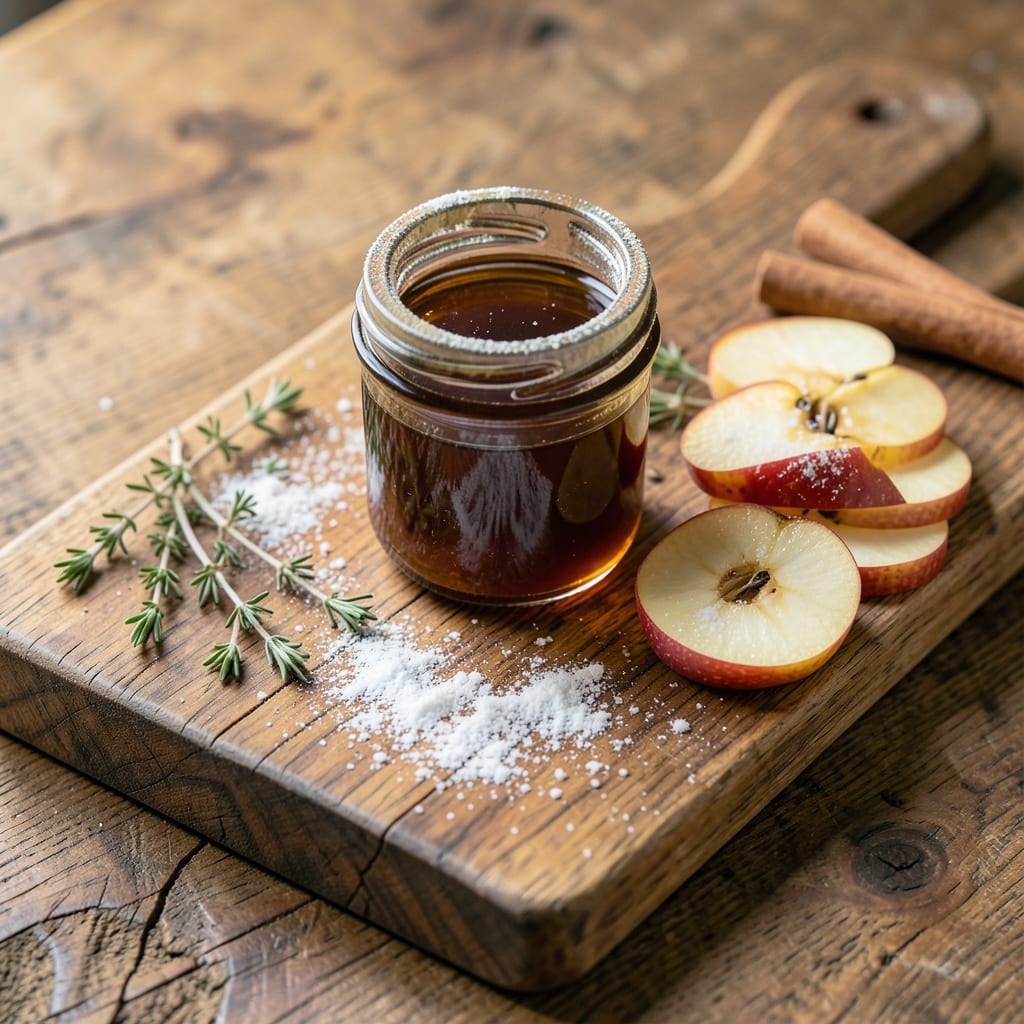
That white powder on your leaves isn’t dust—it’s trouble. I first spotted powdery mildew on my zucchini plants and panicked until I discovered the apple cider vinegar trick.
This natural remedy works because the acidity disrupts the fungus while being gentle on plants. A 1:10 vinegar-to-water mix with a drop of dish soap creates a spray that stops spread within 48 hours.
Works on roses, cucumbers, and squash alike. The leaves clear up, new growth stays clean, and you avoid harsh chemicals that can harm beneficial insects.
Best applied early morning or evening to prevent leaf burn. Here’s how to mix and use it safely.
Powdery mildew is a common fungal disease that can affect plants, and while apple cider vinegar (ACV) is often used as a natural remedy, it’s important to understand why this issue arises in the first place. Below are the key causes, explained with actionable insights to help you prevent and manage outbreaks.
This fungus thrives in environments with relative humidity between 60% and 80%. When moisture lingers on plant leaves—especially in poorly ventilated areas—spores germinate quickly. Unlike other fungal diseases, powdery mildew doesn’t require free water to spread, but high humidity accelerates its growth.
Powdery mildew flourishes in temperatures between 60°F and 80°F (15°C–27°C). The combination of warm days and cooler nights creates ideal conditions for spore production. These temperature swings can stress plants, making them more susceptible to infection.
Stagnant air traps humidity around foliage, providing a perfect breeding ground for the fungus. Crowded plants, dense canopies, or indoor growing spaces without proper airflow are prime targets. Pruning and spacing plants improves ventilation and reduces risk.
Some plants are genetically more vulnerable to powdery mildew, including roses, cucumbers, squash, and many ornamentals. If your garden features these, proactive measures—like applying ACV sprays before symptoms appear—can help deter the fungus.
Watering from above leaves moisture on leaves, which, even if it evaporates quickly, can encourage spore germination. Switching to drip irrigation or watering at the base of plants keeps foliage dry and less inviting to the fungus.
Powdery mildew can be stubborn, but apple cider vinegar (ACV) offers a simple, natural solution. Here’s how to tackle it based on the cause:
Stagnant air encourages mildew growth. Fix: Space plants apart to allow airflow, and prune dense foliage. Use a small fan indoors to keep air moving. Prevention tip: 💡 Avoid overcrowding plants in the first place.
Mildew thrives in damp conditions. Fix: Water plants early in the day so leaves dry quickly. Use a dehumidifier indoors or ensure outdoor plants have proper drainage. Prevention tip: 🌡️ Keep humidity below 60% if possible.
Stressed plants are more vulnerable. Fix: Strengthen them with a 1 tbsp ACV per gallon of water spray (apply weekly). Avoid over-fertilizing, which can soften growth. Prevention tip: ✨ Use compost tea for a natural immunity boost.
Wet leaves invite mildew. Fix: Switch to drip irrigation or water at the base. If using a hose, do it in the morning. Prevention tip: 🎯 Mulch around plants to reduce soil splash onto leaves.
For active infections, spray affected plants with a mix of 2 tbsp ACV, 1 tsp baking soda, and a few drops of dish soap in a gallon of water. Reapply every 5–7 days until the mildew clears. Always test on a small area first to avoid leaf burn.
For prevention, spray every 7-10 days. For active infections, use every 5-7 days until symptoms disappear. Always apply in the morning or evening to avoid leaf burn.
Yes, but dilute it more (1 tbsp per gallon of water) as it’s stronger. Apple cider vinegar is preferred because its mild acidity is gentler on plants.
No, when used correctly. ACV sprays target fungi, not insects. To be extra safe, spray only affected plants and avoid flowers where pollinators gather.
The soap helps the solution stick to leaves. Use just 1-2 drops per gallon of a mild, biodegradable soap to avoid damaging plant tissues.
