
Beautiful Plants For Your Interior
Beautiful Plants For Your Interior
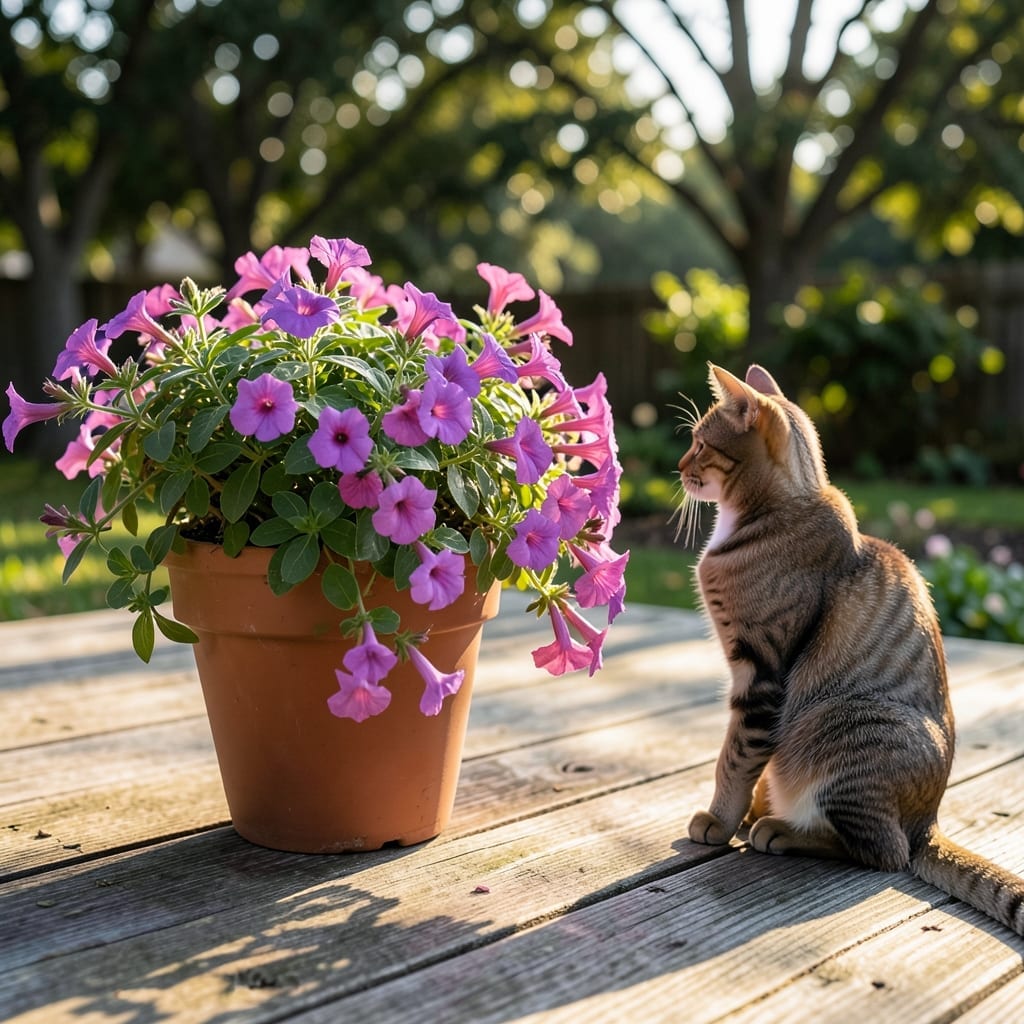
Calibrachoa contains solanine and other alkaloids that are toxic to cats, causing vomiting, diarrhea, or lethargy if ingested. Seek veterinary care immediately if exposure occurs.
These compounds disrupt a cat’s nervous system and digestion in ways that can escalate quickly. I’ve seen cases where even nibbling a few leaves led to severe discomfort that required emergency treatment. To keep felines safe, it’s best to avoid planting calibrachoa in homes with outdoor cats or to use raised planters they can’t access. 🔥
💡 In This Article
The toxicity stems from two primary compounds: solanine and atropine-like alkaloids. Solanine interferes with cellular membranes in a cat’s digestive tract, causing rapid nausea and vomiting. These alkaloids also disrupt acetylcholine receptors in the nervous system, leading to neurological symptoms like tremors or disorientation. Even 1-2 leaves can trigger these reactions in a 10-pound cat.
🔥
Cats lack the enzymes to metabolize these plant toxins efficiently. Their liver processes solanine at a much slower rate than dogs or humans, which means the compounds linger in their system. This delayed breakdown amplifies the toxic effects, making small exposures more dangerous than in other animals.
The symptoms typically appear within 30-60 minutes of ingestion. ✨
What’s particularly concerning is how these alkaloids accumulate. A cat that nibbles calibrachoa over several days may not show immediate signs but could develop chronic issues like liver stress or kidney irritation. The plant’s bright colors and trailing habit make it especially tempting for curious felines to investigate with their mouths. 💫
The concentration of toxins varies by plant part, with the highest levels in the stems and leaves. Even dried or wilted calibrachoa retains its toxicity, so compost piles containing these plants can also pose risks. This persistence means outdoor cats have multiple potential exposure points beyond just fresh plants. ⚡
Veterinarians often see cases where cats ingest calibrachoa while playing in gardens or knocking over hanging baskets. The plant’s popularity in container gardening increases this risk, as cats can easily access pots on patios or windowsills. This accessibility combined with the plant’s potent toxins makes it particularly hazardous. 🌟
Symptoms typically develop within 30-60 minutes of ingestion. Early signs include drooling, vomiting, or diarrhea. If you notice these, contact your vet immediately.
The stems and leaves contain the highest concentration of toxins. Even dried or wilted parts remain dangerous, so keep all plant material away from cats.
Remove any plant material from their mouth and rinse with water. Call your vet or a pet poison hotline right away—don’t wait for symptoms to appear.
Yes, compost containing calibrachoa can still pose a risk. Ensure your compost bin is securely covered to prevent access.