
Beautiful Plants For Your Interior
Beautiful Plants For Your Interior
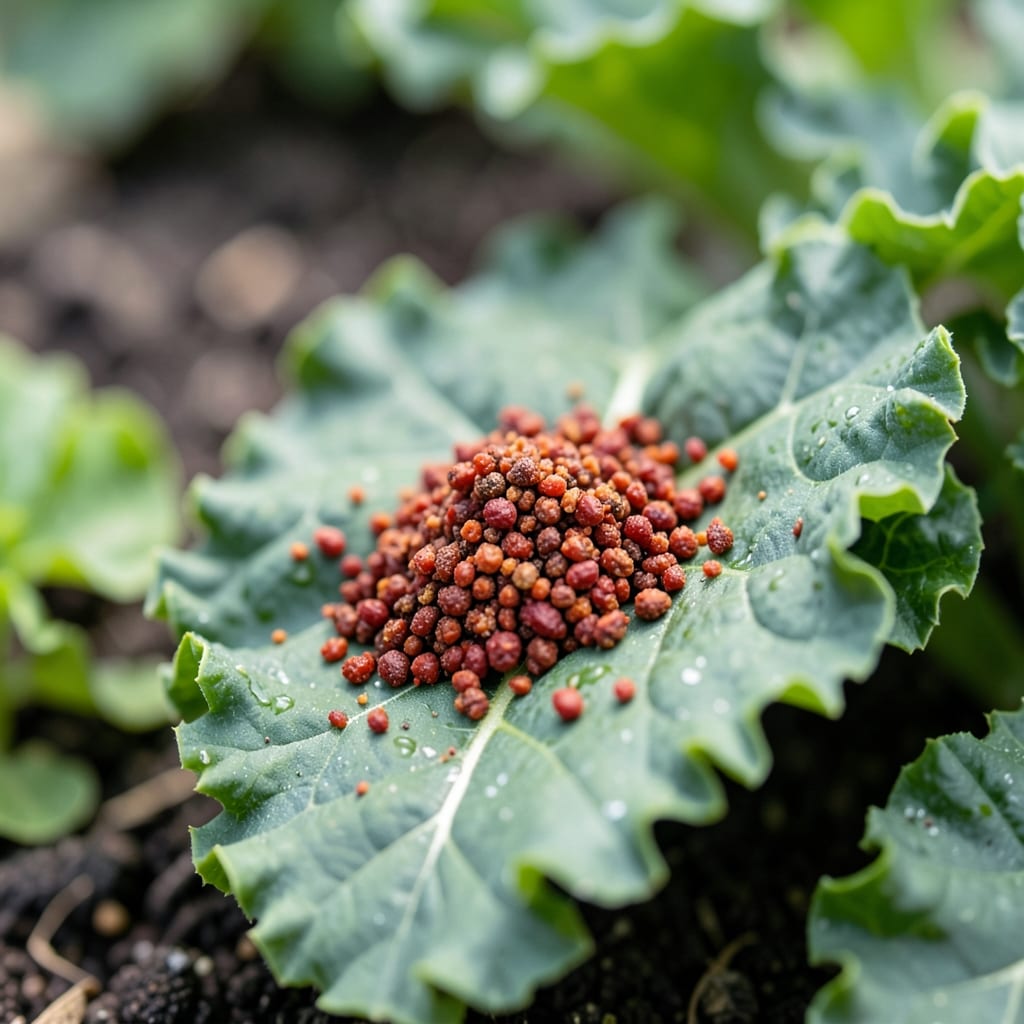
Blood meal is highly toxic to rabbits and should never be used near them, as its high nitrogen content can cause severe poisoning. Opt for rabbit-safe organic fertilizers instead.
I’ve seen gardeners unknowingly put their rabbits at risk by using this nitrogen-rich amendment. The issue stems from how a rabbit’s delicate digestive system reacts to concentrated nitrogen, which can trigger ammonia buildup and metabolic shock. For a safer approach, I recommend compost or worm castings, which nourish plants without endangering pets. ✨
Always prioritize fertilizers that break down slowly and naturally in the soil. 🔥
💡 In This Article
Blood meal contains 12-15% nitrogen by weight, which breaks down rapidly into ammonia in a rabbit’s digestive system. Unlike herbivores with complex stomachs, rabbits lack the enzymes to process such concentrated nitrogen loads. The resulting ammonia buildup disrupts their delicate gut pH, leading to potentially fatal metabolic acidosis. 🔥
Even indirect exposure poses risks. Rabbits may ingest blood meal particles while grazing near fertilized areas. A mere 1-2 teaspoons can trigger symptoms like lethargy, tremors, or respiratory distress within 2-6 hours. Their small size (average 2-8 lbs) means toxic thresholds are dangerously low compared to larger livestock. ✨
The toxicity mechanism involves ammonia crossing the gut lining into the bloodstream, where it interferes with oxygen transport. Rabbit hemoglobin binds ammonia 200x more readily than human hemoglobin, making them uniquely vulnerable. This is why blood meal – safe for plants – becomes a silent killer for lagomorphs. 💫
Environmental factors worsen the risk. In warm weather (75-85°F), nitrogen breaks down faster, releasing more ammonia vapor that rabbits inhale while grazing. Moist soil conditions also accelerate the decomposition process, creating invisible but deadly concentrations near the surface. ⚡
Veterinary cases show rabbits developing neurological symptoms from chronic low-level exposure. The cumulative effect of repeated contact with blood meal-treated areas can cause irreversible liver damage over 2-4 weeks, even without acute poisoning episodes. This makes complete avoidance the only safe approach. 🌟
Symptoms can appear within 2-6 hours after ingestion. Even tiny amounts like 1-2 teaspoons may cause lethargy or tremors due to ammonia buildup. Immediate vet attention is critical.
Try worm castings or well-aged compost. These release nutrients slowly without ammonia risks. Apply 1/4-inch layers of castings every 4-6 weeks for best results.
No, even indirect exposure is dangerous. Ammonia vapor from treated soil can harm their respiratory system. Maintain a 3-foot buffer between fertilized areas and rabbit access points.
Their hemoglobin binds ammonia 200x more readily than humans. This makes them uniquely vulnerable to nitrogen poisoning, even from small environmental amounts.