
Beautiful Plants For Your Interior
Beautiful Plants For Your Interior
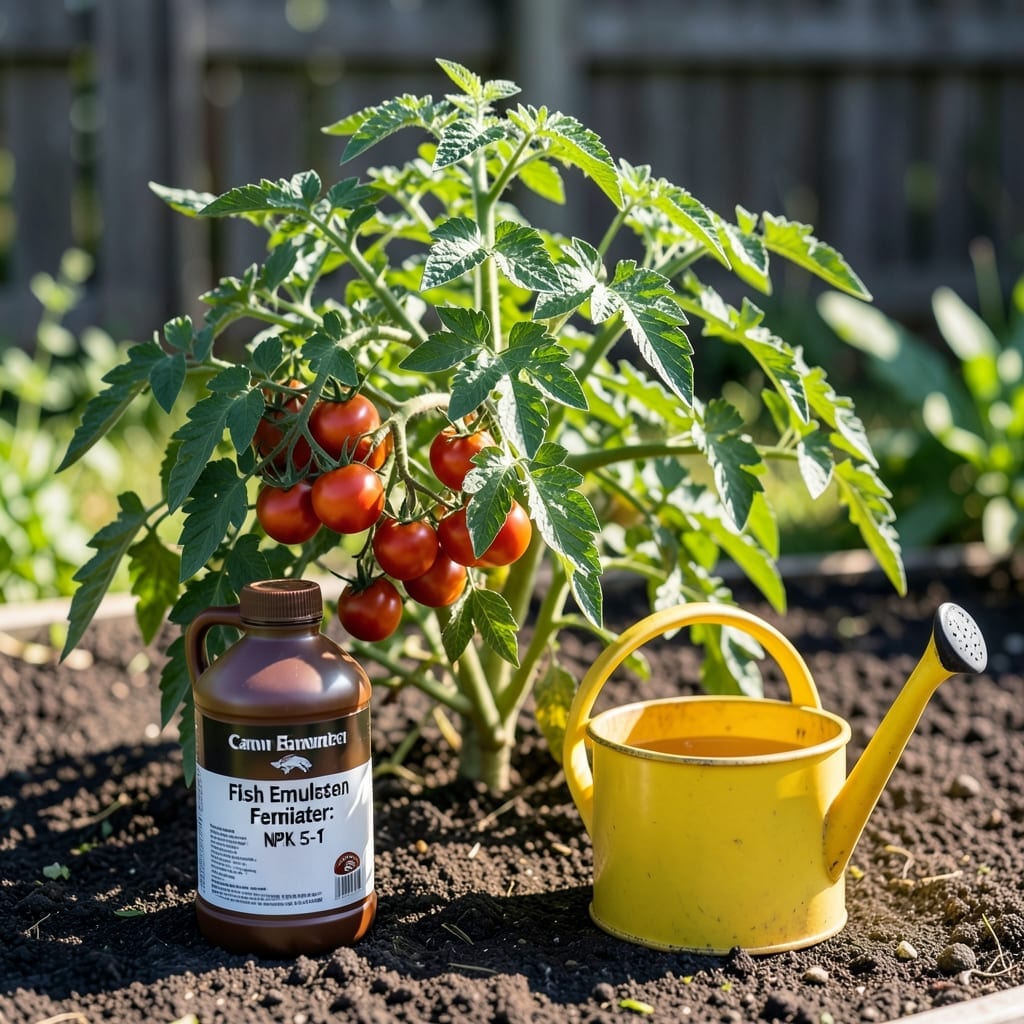
If you’ve ever struggled to give your 🌱 General Plant the exact nutrients it needs, fish emulsion might be the answer. This organic fertilizer packs a powerful punch, but its effectiveness hinges on understanding its NPK ratio.
Those three numbers reveal everything about how the fertilizer will fuel your garden’s growth. Whether you’re nurturing leafy greens or robust vegetables, getting this right makes all the difference.
I’ll show you how to use fish emulsion properly, from dilution ratios to application timing. It’s easier than you think to harness its full potential.
By the end, you’ll know exactly why this natural solution could be the game-changer your plants have been waiting for.
I love using fish emulsion fertilizer in my garden because it’s packed with organic nutrients. The NPK ratio tells us the percentage of nitrogen, phosphorus, and potassium it contains, which are essential for plant growth.
Most fish emulsion fertilizers have an NPK of 5-1-1 or 2-4-1. The first number represents nitrogen, which promotes leafy growth and vibrant green foliage.
| Nutrient | Typical Value | Purpose |
| Nitrogen (N) | 5% | Leaf & stem growth |
| Phosphorus (P) | 1% | Root development |
| Potassium (K) | 1% | Flowering & disease resistance |
| Calcium | Trace | Cell wall strength |
| Magnesium | Trace | Chlorophyll production |
The phosphorus in fish emulsion, though lower in percentage, is crucial for root development and overall plant health. It helps plants establish strong root systems early on.
Potassium, the third number in the NPK ratio, supports flowering and fruit production. It also boosts a plant’s ability to resist diseases and pests.
What makes fish emulsion special is its micronutrients, like calcium and magnesium. These trace elements improve soil structure and aid in photosynthesis. 🌱
For leafy greens like spinach and lettuce, the higher nitrogen content in fish emulsion is perfect. It encourages rapid, lush growth, giving you a bountiful harvest.
Fast-growing plants such as tomatoes and peppers also benefit from fish emulsion. The balanced nutrients support both vegetative growth and fruit set.
I’ve found that using fish emulsion every 2-4 weeks during the growing season keeps my plants thriving. It’s gentle enough for young seedlings but effective for mature plants too.
Remember, fish emulsion is organic and biodegradable, making it safe for the environment. It won’t burn your plants if used correctly, unlike some synthetic fertilizers.
Always dilute it properly—usually 1-2 tablespoons per gallon of water—to avoid over-fertilizing. Your plants will thank you with vibrant growth! 🌿
I’ve found fish emulsion fertilizer works wonders when applied correctly. Its 5-1-1 NPK ratio makes it perfect for leafy greens and fast-growing plants that need a nitrogen boost. Always dilute it to avoid burning roots.
The best time to apply is early morning or late evening to prevent leaf scorching. I recommend foliar spraying for quick absorption or soil drenching for long-term benefits. Both methods deliver nutrients effectively.
For foliar feeding, use a fine mist sprayer to cover leaves evenly. This method is great for quick nitrogen uptake but requires consistent application. I’ve seen visible growth within days on my lettuce and spinach.
Soil drenching is better for root development. Pour the diluted solution at the base of plants, ensuring it reaches the root zone. This works well for tomatoes and peppers needing steady nutrients.
Remember, fish emulsion can be strong. I always test on a small area first, especially for sensitive plants. Overuse can lead to salt buildup in soil, which harms plant roots over time.
Combining fish emulsion with compost tea can enhance results. This combo provides balanced nutrition while improving soil health. My garden thrives with this simple but effective approach.
Consistency is key. Stick to a regular schedule and monitor plant response. Adjust frequency based on growth rate and leaf color for best results 🌱