
Beautiful Plants For Your Interior
Beautiful Plants For Your Interior
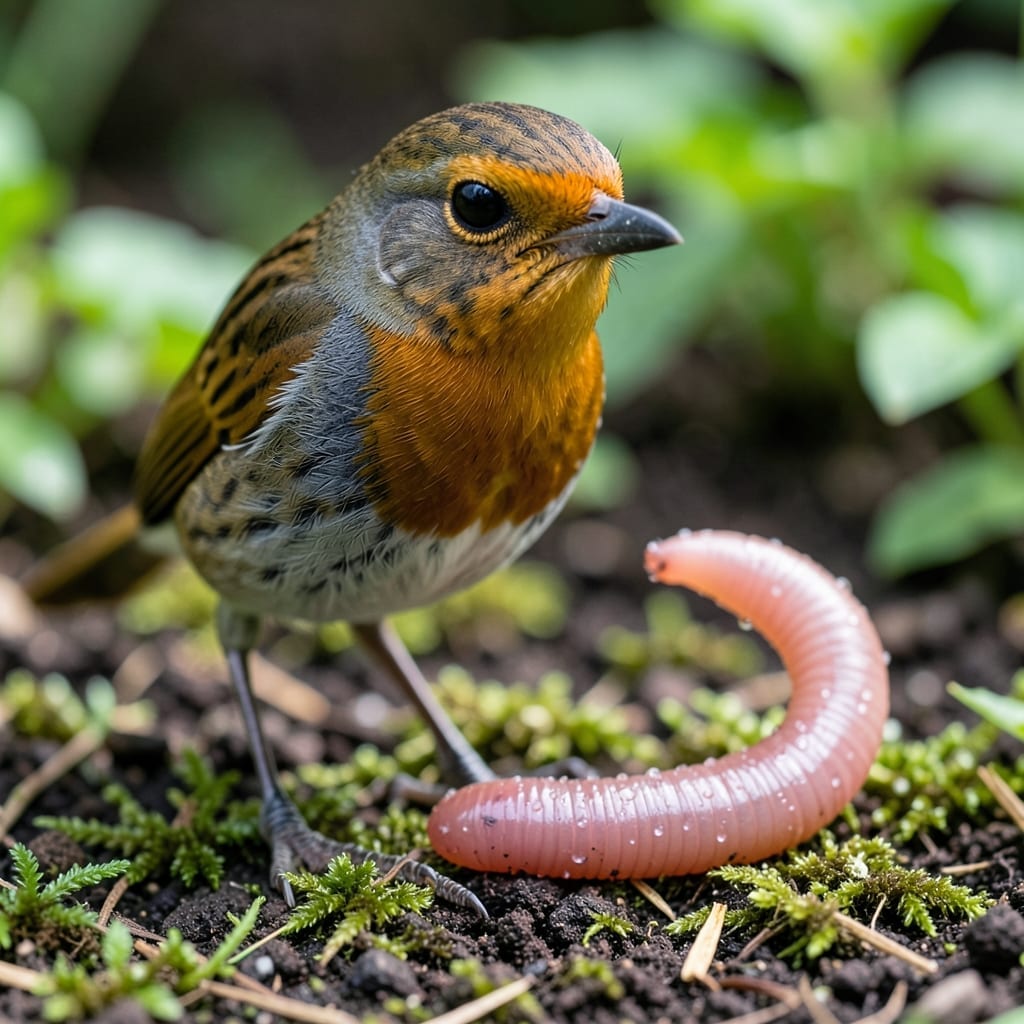
Birds and worms form a vital ecological partnership where worms aerate soil and break down organic matter, while birds control worm populations and benefit from this protein-rich food source.
This relationship thrives because worms create nutrient-rich castings that boost soil fertility, which in turn supports the plants that shelter birds. 🔥 I’ve noticed that gardens with healthy worm activity often attract more insect-eating birds, creating a self-sustaining cycle. The birds get a high-protein meal, while the ecosystem stays balanced through natural pest control.
💡 In This Article
Earthworms act as natural soil engineers, creating tunnels that improve aeration by 30-40% and water infiltration by up to 10 times. Their burrowing breaks up compacted soil, allowing plant roots to penetrate deeper while increasing microbial activity in the rhizosphere.
This process, called bioturbation, happens at a rate of 1-4 inches per month in healthy soils. 🔥
What most people don’t realize is that worms consume half their body weight in organic matter daily. As they digest plant debris and dead roots, they excrete nutrient-rich castings containing 5-11 times more nitrogen, phosphorus, and potassium than the surrounding soil. These castings also contain beneficial microbes that help plants resist diseases.
The slime worms secrete contains nitrogen, which acts as a natural fertilizer. Their mucous coatings also bind soil particles together, creating stable aggregates that prevent erosion. In a single acre, worms can process 10-20 tons of soil annually, making them more effective than any mechanical aerator. ✨
This constant churning brings subsoil closer to the surface while burying organic matter deeper, creating a nutrient gradient that supports diverse plant life. The tunnels they leave behind also create pathways for plant roots to follow, often increasing root depth by 25-50% in well-worked soils.
The result is soil that drains better yet retains more moisture.
Gardeners notice the difference quickly—plots with active worm populations require 30% less water and produce plants with 20-30% greater biomass. The worms’ work also reduces the need for chemical fertilizers, as their castings provide a slow-release nutrient source that plants can access over 2-3 months. 💫
Rain brings worms to the surface as their tunnels flood, making them easy targets. Birds take advantage of this abundance, obtaining high-protein meals with minimal effort. This behavior also helps control worm populations naturally.
Generally no—worms reproduce quickly, with some species doubling their numbers in 60-90 days. A balanced ecosystem maintains both populations. Overpredation is rare unless bird numbers are artificially high.
Create a multi-layered habitat with trees, shrubs, and ground cover. Add a shallow water source and avoid pesticides. Native plants attract insects, which draw more bird species.
Most insectivorous birds like robins, thrushes, and blackbirds eat worms, but seed-eaters like sparrows typically don’t. Diet varies by species and season, with worms being a springtime favorite for many.