
Beautiful Plants For Your Interior
Beautiful Plants For Your Interior
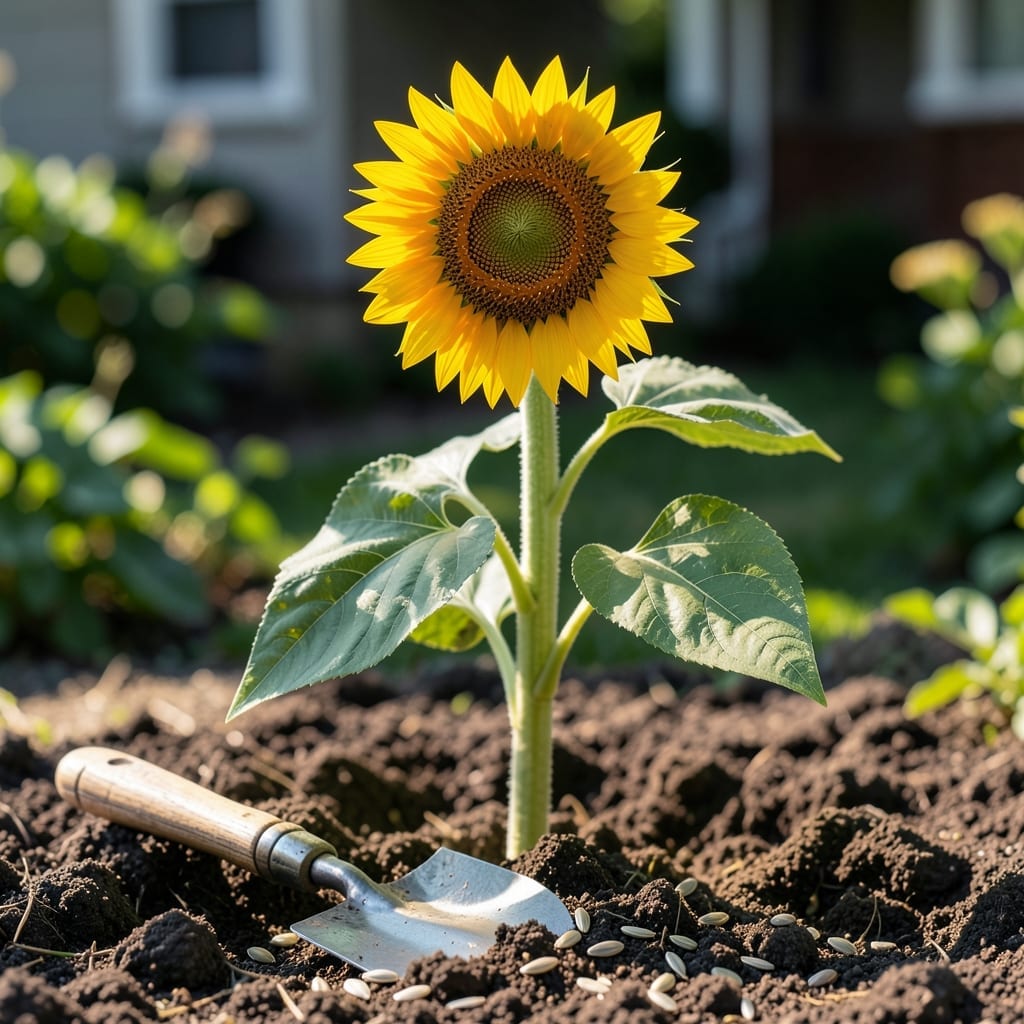
Timing is everything when growing Sunflower 🌻 in Zone 8. Plant too early, and a late frost could ruin your crop. Too late, and you’ll miss the peak blooming season.
I’ve learned the hard way that getting the timing right makes all the difference. The good news? There’s a perfect window to sow your seeds for vibrant, towering results.
With Zone 8’s mild winters and long growing season, you have more flexibility than you might think. But knowing the exact months ensures your sunflowers thrive.
Let me show you how to align your planting with the climate for the best blooms. It’s simpler than you’d expect.
In USDA Zone 8, timing your sunflower seeds right means the difference between thriving blooms and a struggling crop. The last frost typically hits around March 15, so aim to plant after this date.
Soil temperature is key—sunflower seeds need at least 50-60°F to germinate properly. Planting too early in cold soil can lead to poor germination or rotten seeds. ☀️
| Planting Window | Months | Soil Temp | Variety Suitability |
|---|---|---|---|
| Optimal | March-May | 50-60°F+ | All varieties |
| Early Start | February | 50°F+ | Dwarf varieties only |
| Late Option | June | 60°F+ | Fast-maturing types |
For the best results, I recommend planting standard sunflowers in early April. This gives them enough time to mature before the summer heat peaks in Zone 8.
Dwarf sunflowers can be started a bit earlier, in late February, if you’re eager to see blooms sooner. Just ensure the soil isn’t waterlogged from winter rains.
If you miss the spring window, don’t worry. You can still plant fast-growing varieties in early June for a late summer or early fall harvest. These types mature in 60-80 days. 🌱
Remember that sunflowers crave sunlight. In Zone 8, they’ll thrive with 6-8 hours of direct sun daily. Choose a south-facing spot in your garden for optimal growth.
For giant sunflowers, which can reach 8-12 feet, plant seeds 1-2 inches deep and 12-18 inches apart. This spacing allows for proper root development and air circulation.
If you’re planting multiple rows, leave 2-3 feet between rows to prevent overcrowding. This is especially important for taller varieties that need more space.
Keep an eye on the weather forecast. If a late frost is predicted after you’ve planted, cover young seedlings with frost cloth or plastic cloches to protect them.
Finally, water your seeds deeply after planting and keep the soil consistently moist until germination. Once established, sunflowers are drought-tolerant but will bloom best with regular watering. 🌻
Preparing your Zone 8 garden for sunflowers starts with soil temperature—wait until it reaches at least 50-60°F. I always test mine with a soil thermometer to be sure. Loosen the earth to 12 inches deep for strong root growth.
Choose a sunny spot with at least 6-8 hours of direct light daily. Sunflowers are heavy feeders, so mix in compost or aged manure for nutrients. Avoid soggy areas—good drainage prevents rot.
In Zone 8, I plant dwarf varieties closer together and giant types 2-3 feet apart. Mulch with straw or shredded leaves to retain moisture and suppress weeds.
Protect young seedlings from late spring winds with stakes or a windbreak. Sunflowers grow fast, but unexpected cold snaps can stunt them. Keep an eye on the weather forecast!
For fall sunflowers, sow seeds in late summer (August) for blooms before the first frost. These need extra care as days get shorter, so choose early-maturing varieties like ‘Autumn Beauty’.
Finally, water deeply once a week, not daily. Sunflowers hate wet feet but love consistent moisture. A drip irrigation system works wonders in Zone 8’s heat 🌻