
Beautiful Plants For Your Interior
Beautiful Plants For Your Interior
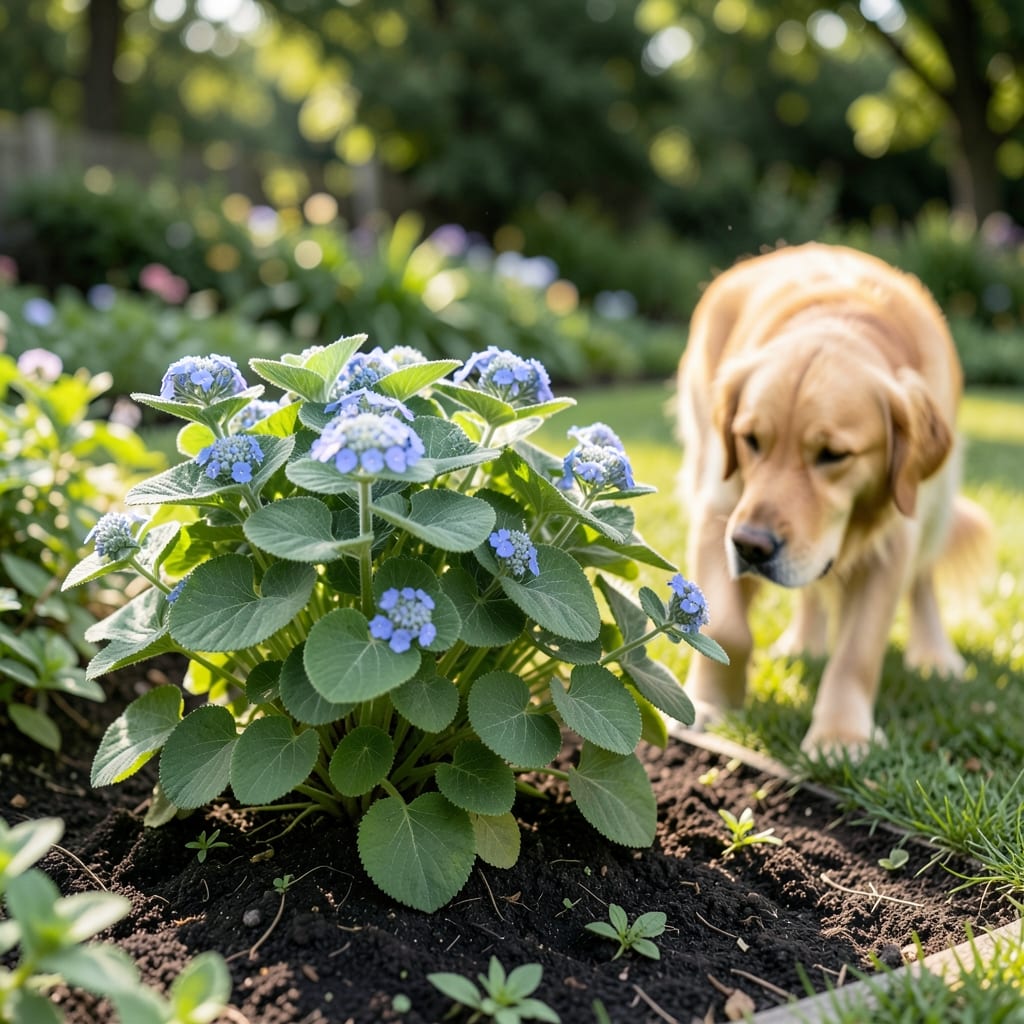
Brunnera contains pyrrolizidine alkaloids that are toxic to dogs, causing liver damage, vomiting, or diarrhea if ingested. Keep pets away from this plant.
I learned this the hard way when my neighbor’s pup got sick after nibbling their garden Brunnera. These compounds don’t just upset stomachs—they accumulate in the liver over time, potentially causing serious long-term harm. Even small amounts can trigger symptoms within hours, so removing this plant entirely is the safest choice for dog owners. ✨
💡 In This Article
The danger lies in pyrrolizidine alkaloids, natural toxins concentrated in brunnera’s leaves and stems. These compounds interfere with cell division in a dog’s liver, preventing the organ from regenerating properly. Over time, even small amounts can lead to hepatic necrosis, where liver cells die off and are replaced by scar tissue. 🔥
Symptoms often appear within 2-4 hours but can take up to 24 hours to manifest, depending on the dose. Early signs include vomiting, diarrhea, and lethargy, while chronic exposure may cause jaundice, weight loss, or seizures. Puppies and small breeds are at higher risk due to their lower body weight and developing detoxification systems. ✨
What makes these alkaloids particularly sneaky is their cumulative effect. A dog might nibble a leaf today and seem fine, but the toxins build up in the liver over weeks or months.
This delayed reaction often means pet owners don’t connect the plant to the illness until it’s advanced. Liver enzyme tests are the most reliable way to confirm exposure. 💫
Veterinarians classify brunnera as moderately to severely toxic, with as little as 0.5% of a dog’s body weight in plant material potentially causing serious harm. For context, a 10-pound dog would only need to ingest about 1-2 ounces of leaves to be at risk.
The toxins are stable even when the plant wilts, so dried leaves remain dangerous. ⚡
Immediate action is critical. If you suspect ingestion, rinse your dog’s mouth with water and call your vet or the ASPCA Animal Poison Control Center at (888) 426-4435. Do not induce vomiting unless explicitly instructed, as this can sometimes worsen liver damage. Time is of the essence—the sooner treatment begins, the better the prognosis. 🌟
It contains pyrrolizidine alkaloids, which attack a dog’s liver cells. Even small amounts can cause long-term damage, as these toxins build up over time.
Signs typically appear within 2-4 hours, but may take up to 24 hours. Early symptoms include vomiting, diarrhea, and lethargy. Chronic exposure can lead to jaundice or seizures.
Rinse their mouth with water and call your vet or the ASPCA Poison Control at (888) 426-4435 immediately. Do not induce vomiting unless instructed.
Yes, puppies and small breeds are more vulnerable due to their lower body weight. Even 1-2 ounces of leaves can be dangerous for a 10-pound dog.
It’s not worth the risk. Toxins remain active even in wilted leaves, and accidental exposure can happen. Removal is the safest option for pet owners.