
Beautiful Plants For Your Interior
Beautiful Plants For Your Interior
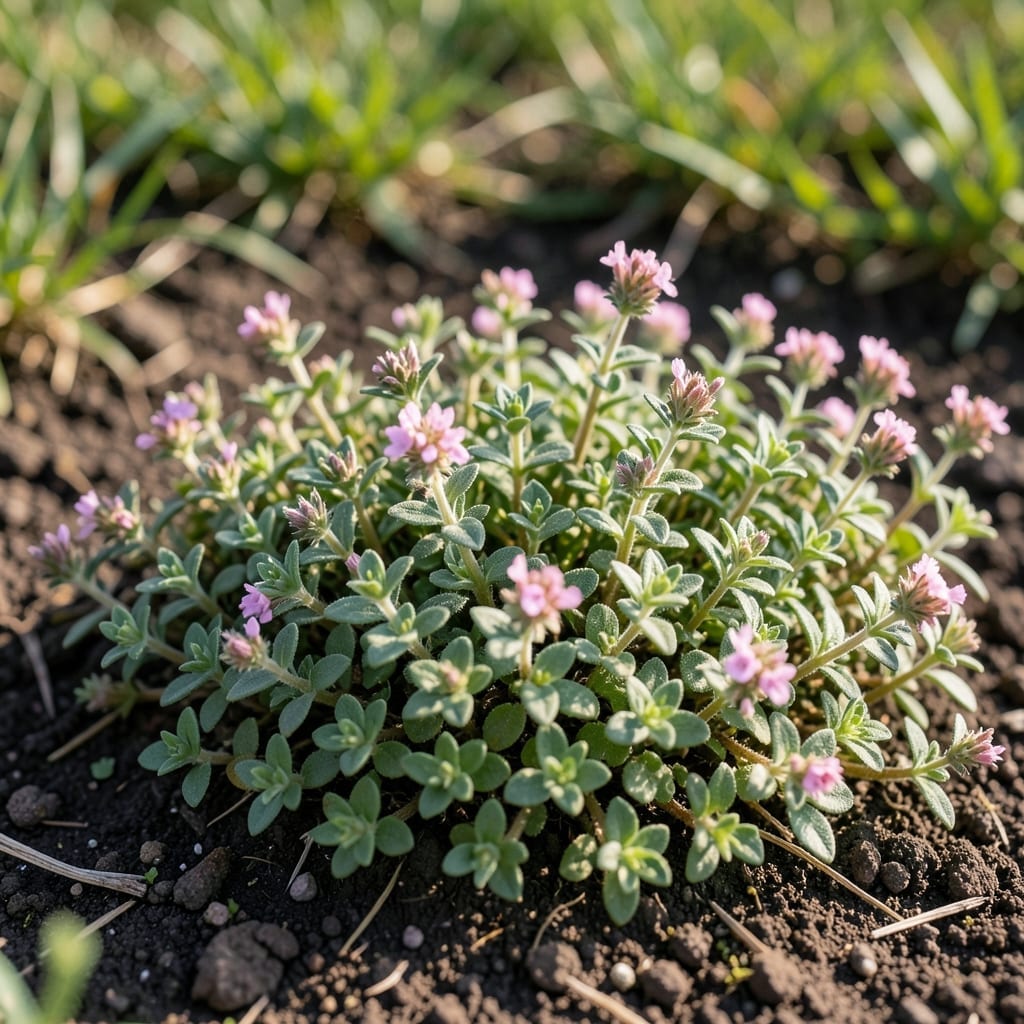
Creeping thyme transforms gardens with its fragrant, low-maintenance ground cover, but its growth hinges on one critical factor. Get it wrong, and your lush mat of 🌿 Creeping Thyme can turn patchy and weak.
I’ve seen too many gardeners struggle with sparse, lackluster plants simply because they underestimated this herb’s needs. The difference between thriving and barely surviving often comes down to sunlight.
In zones 4-9, this hardy plant can handle a lot, but light exposure isn’t one of those things. Whether you’re planting in spring or revitalizing an existing bed, nailing the right conditions is key.
Discover how to give your Creeping Thyme the ideal sun it craves for dense, vibrant growth that will make your garden the envy of the neighborhood.

If you want creeping thyme to thrive, sunlight is non-negotiable. This drought-tolerant ground cover needs 6+ hours of direct sun daily to form that dense, fragrant mat we all love. Anything less, and you’ll see sparse growth and fewer flowers. ☀️
I’ve found that full sun exposure brings out the best in creeping thyme, especially in USDA zones 4-9. The more intense sunlight it gets, the more vibrant the foliage and the stronger the aromatic oils in the leaves. It’s a sun-worshipper at heart!
| Requirement | Specification |
|---|---|
| Daily Sunlight | 6-8 hours direct sun |
| Light Type | Full sun to partial shade |
| Ideal Window | South-facing exposure |
| Seasonal Needs | More sun in spring/summer |
| Shade Tolerance | Limited, may reduce flowering |
In my garden, I’ve noticed morning sun is particularly beneficial. It dries the dew quickly, reducing the risk of fungal diseases while giving the plants a strong start to the day. Afternoon sun works too, but in hotter climates, a bit of dappled shade can prevent leaf scorch. 🌿
Partial shade can work, but expect thinner growth and fewer blooms. If you’re planting under trees, choose a spot where it gets sunlight filtering through for most of the day. I’ve had success with creeping thyme in bright, indirect light, but it’s never as lush as in full sun.
For northern climates, maximize every bit of sunlight you can. In southern regions, where the sun is more intense, ensure your soil stays well-drained to prevent heat stress. I like to mulch lightly around my creeping thyme to retain moisture without suffocating the plants. 🪴
If you’re growing creeping thyme in containers, place them where they’ll get unobstructed sunlight for at least half the day. Rotate the pots occasionally to ensure even growth on all sides. I’ve found that terracotta pots work well because they breathe better than plastic.
Seasonal changes matter too. In early spring and late fall, when days are shorter, your creeping thyme might not get enough light. If possible, supplement with grow lights or choose a sunnier spot during these times. I’ve used LED grow lights indoors with great results.
Remember, creeping thyme is low-maintenance, but not no-maintenance. Monitor its sunlight exposure and adjust as needed. If you see leggy stems or pale leaves, it’s a sign your plant is craving more light. A little observation goes a long way! ✂️
Even with the best intentions, creeping thyme can struggle if it’s not getting enough sunlight. The first sign I notice is sparse growth—instead of a dense mat, you’ll see patchy, thin coverage with bare spots. ☀️
Another red flag is leggy stems. When creeping thyme stretches toward the light, it grows tall and lanky instead of spreading low. This weakens the plant and makes it look unruly. I’ve seen this happen when it’s planted in deep shade or under thick canopies.
⚠️ Warning: Without enough light, your creeping thyme will produce fewer flowers and lose its vibrant green color. Pale or yellowing leaves are a clear sign of light deficiency.
If your creeping thyme isn’t flowering as much as it should, light deprivation is often the culprit. These plants need full sun to produce their tiny, fragrant blossoms, which attract pollinators like bees and butterflies.
In my experience, pale or yellowing leaves are another indicator. Healthy creeping thyme should have rich, deep green foliage. If the color fades, it’s time to relocate your plants to a sunnier spot or trim back nearby shade. 🌿
To fix these issues, start by assessing your garden’s sunlight. Use a sunlight calculator app or simply observe how many hours of direct sun the area receives. If it’s less than 6 hours, consider transplanting or pruning nearby plants to let more light in.
Finally, remember that creeping thyme is forgiving. Once you adjust the light conditions, it often bounces back quickly. I’ve revived many struggling patches by simply moving them to a sunnier location and giving them a little extra care. 🪴